Container Washer Introduction
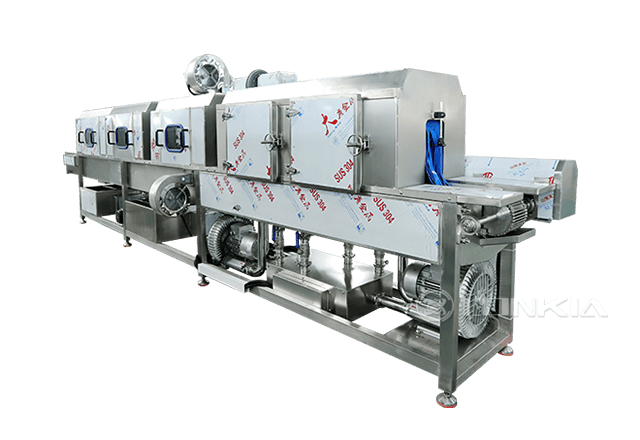
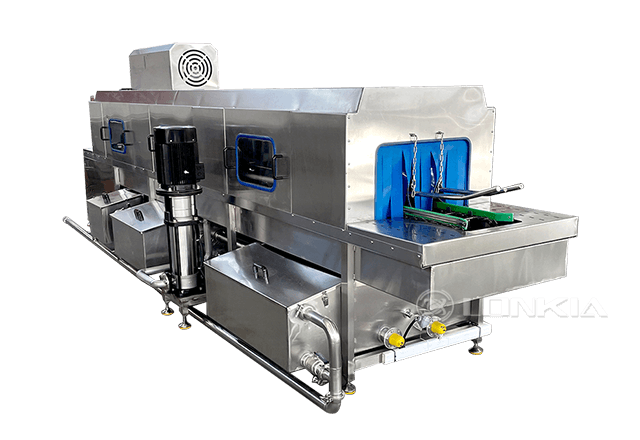
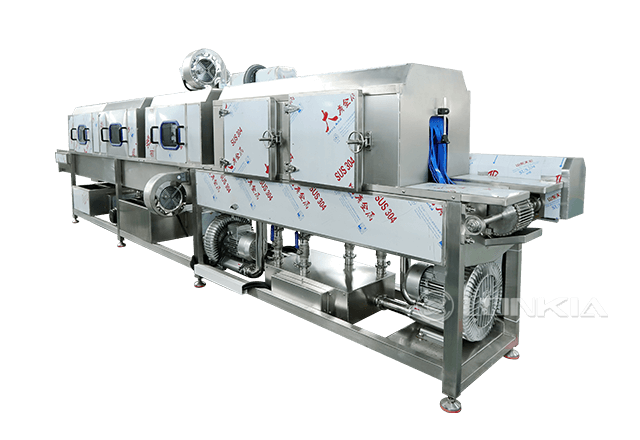
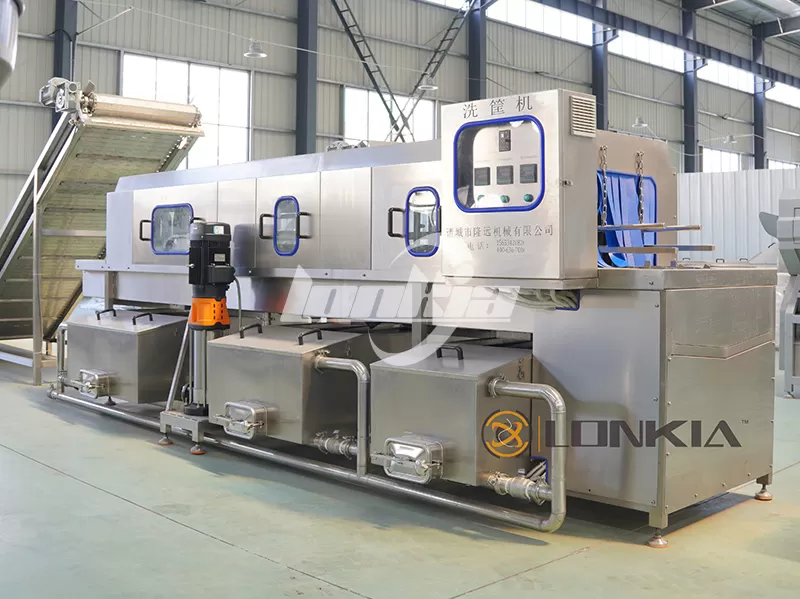
What is a container washer? A container washer is an industrial cleaning device designed for efficiently cleaning various containers, totes, pallets, baskets, buckets, or baking molds. It removes stains, grease, food residues, and chemical residues through high-pressure spraying, rotating nozzles, cleaning agents, and hot water or steam, ensuring containers meet hygiene standards. In food processing, chemical manufacturing, or logistics industries, maintaining container cleanliness not only safeguards product quality but also enhances production efficiency, making it an indispensable piece of factory equipment.
Working Principle of Container Washers
Container washers utilize automated spray and rotating nozzle systems combined with detergents and hot water or steam for efficient cleaning. Containers enter the main wash zone via a conveyor system, where multi-angle high-pressure jets remove contaminants. They then proceed to the rinse zone to flush residual detergent, with optional steam sterilization or air drying to ensure hygiene compliance.
Want to learn more about how crate washing machines operate? Continue reading to learn the working principle of container washers.
Types of Container Washers
Container washers are categorized based on the type of items being cleaned and their application scenarios.
- Crate Washer: Designed for plastic crates used in food, produce, meat, and similar industries.
- Tray/Pallet Washer: Used for cleaning large trays and logistics/warehouse pallets.
- Bin/Basket/Bucket Washer: Suitable for cleaning baskets, buckets, and bins in food processing and catering operations.
- Tin-Can/Mold Washer: Designed for cleaning baking molds.
- Cart/Trolley Washer: Used for small carts in food processing plants.
For detailed selection criteria and applications of each container washing machine type, refer to our article: Comparison Guide for Different Types of Container Washing Machines.
How to Select the Right Container Cleaning Machine Solution for Your Plant?
Choosing the appropriate container washer requires comprehensive consideration of production needs, budget, facility conditions, and operational costs. Below is a practical analysis method:
1. Capacity Requirements Analysis
Evaluation Item | Description | Factors to Consider When Purchasing a Container Washer |
Container Type | Egg trays/molds/pallets/baskets. Different containers dictate machine structural design. | What containers do you need to clean? Are multiple sizes mixed? |
Target Capacity | Number of containers cleaned per hour to meet production line pace or planned expansion requirements. | How many containers need cleaning per hour? Will production increase in the future? |
Contamination Level | Grease, meat particles, dust, etc. Different contaminants affect spray pressure and pre-soak module settings. | How dirty are the containers? Are there high grease levels or stubborn residues? |
2. Budget Range Determination
When purchasing a container washer, establish a budget range covering equipment procurement, installation, consumables, and conveyor system costs.
Read this article to learn about crate cleaning machine prices.
3. Facility Space Assessment
Facility space is a critical factor. Evaluate whether the equipment footprint, operational aisles, and maintenance space are adequate.
Continue reading: Learn about the installation and operation guide for container washers.
4. Energy Consumption Calculation
Energy consumption is another core metric. Electricity, water, and detergent usage directly impact long-term operating costs.
5. Maintenance Cost Estimation
Before purchasing a crate washing machine, estimate maintenance costs—including nozzle and filter replacements plus routine servicing—to ensure long-term operational affordability.
Continue reading: Learn how to maintain your container washer to extend its lifespan.
By comprehensively analyzing these factors, enterprises can select container washing solutions that meet production capacity while remaining economically viable.
Read More: Tips for Selecting Container Washers
Advantages of Container Cleaning Machines
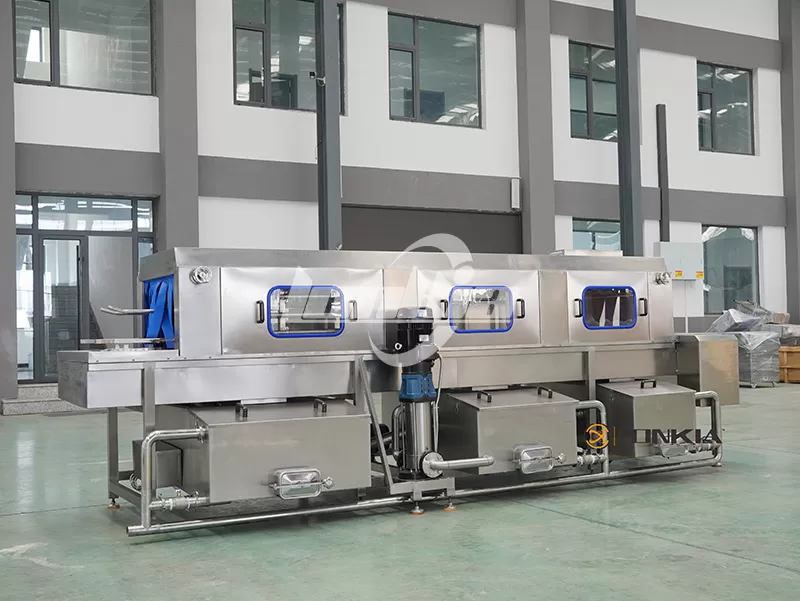
Lonkia crate cleaning machines offer high efficiency, stability, hygiene, safety, and energy savings. Fully automatic spray and rotating nozzles ensure consistent cleaning, while the recirculating water system reduces water and energy consumption. Stainless steel construction guarantees durability and ease of sterilization. The equipment features simple operation and low maintenance costs, accommodating various container types and production lines to provide reliable cleaning solutions for crate washing machine factory.
Want to learn about the machine's application advantages? Read this article to discover why your factory needs a container washer.
Successful Crate Washer Machine Project
1. Chocolate Mould Washer Successfully Exported to Argentina
A major Argentine chocolate and confectionery manufacturer purchased LONKIA's chocolate mould washer to handle the daily cleaning of large quantities of chocolate molds and trays in various sizes. The equipment achieves automated cleaning and rapid hot-air drying of approximately 400 molds per hour, significantly boosting mold turnover efficiency and substantially reducing labor costs.
2. Egg Tray Washer Exported to Malaysia
A renowned Malaysian agricultural packaging enterprise purchased a LONKIA egg tray washer. After on-site trial operation, the equipment was formally integrated into the production line, demonstrating stable performance and excellent cleaning results. Previously relying on manual cleaning, egg trays are now automatically cleaned via high-pressure spraying and circulating water, substantially improving cleaning efficiency while ensuring hygiene standards. This also significantly reduces labor requirements and operational costs.
FAQ about Crate Cleaning Machine
Q1: What types of containers can the container washer clean?
A: Plastic pallets, trays, baskets, buckets, baking molds, etc., can all be cleaned. Select the appropriate machine model based on container size and material.
Q2: Are the operating costs high?
A: Lonkia container washing machines feature a recirculating water system and low-energy design, while also reducing labor costs, resulting in high overall operational economy.
Q3: Can it be customized?
A: Lonkia provides customized solutions based on production capacity, container specifications, and special requirements.
Q4: Is it safe for food production?
A: Absolutely. This machine is constructed from food-grade 304 stainless steel and is CE certified.
Crate Washer Manufacturer
As a professional crate washing machine supplier, LONKIA provides comprehensive services from initial consultation to seamless equipment operation, ensuring you obtain the most suitable solution for your container washing needs. To guarantee quality control, all equipment is manufactured in our own factory, eliminating third-party costs. We consistently prioritize quality over price, never compromising performance for lower pricing. If you're seeking efficient, reliable, and technologically advanced container washers, feel free to contact us anytime.
Summary
Container washers are indispensable equipment in food processing plants. They not only enhance cleaning efficiency and ensure hygiene standards but also significantly reduce labor costs. Lonkia offers container washing machines tailored for various container types, covering diverse cleaning requirements while supporting customized solutions. For detailed product specifications and customized quotes, please contact us.