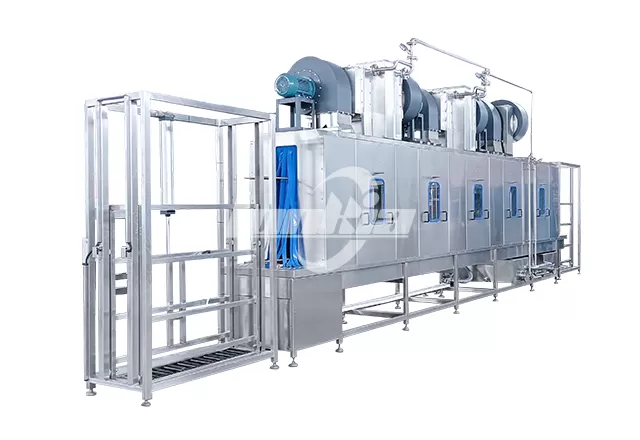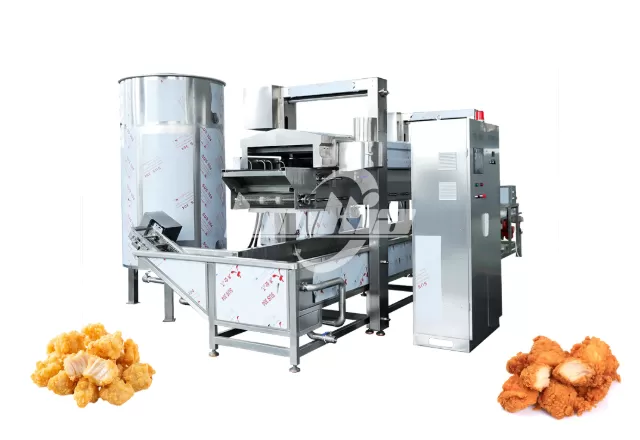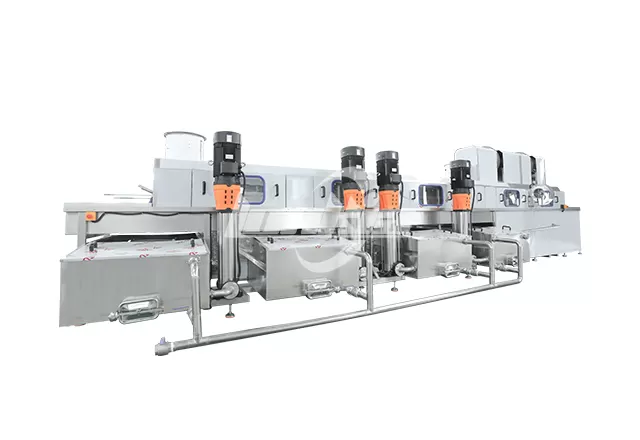
In food processing, fresh-cut vegetable distribution, and logistics operations, basket washing machines directly impact cleaning efficiency and the stability of production schedules. If the equipment's capacity is selected improperly, issues such as cleaning delays, wasted labor, or idle equipment are likely to arise. Determining the appropriate model based on actual needs is a critical factor that must be clarified before making a purchase.
What Is the Throughput of a Basket Washing Machine?
Basket washing machines are typically measured by the "number of baskets processed per hour," such as 300 baskets/hour or 800 baskets/hour. This figure does not simply represent speed but rather the equipment's stable output capacity during continuous operation.
A standard system typically includes the following processes:
- Pre-rinse to remove surface impurities
- High-pressure spray for deep cleaning
- Rinse with clean water
- (Optional) Air-drying
Through the coordinated operation of multiple stages, continuous feeding and discharging are achieved, ensuring overall operational efficiency.
Core Factors Affecting the Production Capacity of a Basket Washing Machine
1. Conveyor System Design
The conveyor method determines the speed and stability of basket movement. Chain or mesh belt structures, combined with variable-frequency speed control, allow the operating rhythm to be adjusted according to different cleaning requirements, thereby increasing throughput while ensuring cleaning effectiveness.
2. Cleaning Section Configuration
A rational sectioning structure is key to improving efficiency.
Common configurations include:
- Pre-wash zone
- Main wash zone
- Rinse zone
The more rational the sectioning, the smoother the transition between washing and conveying, and the more stable the overall equipment capacity.
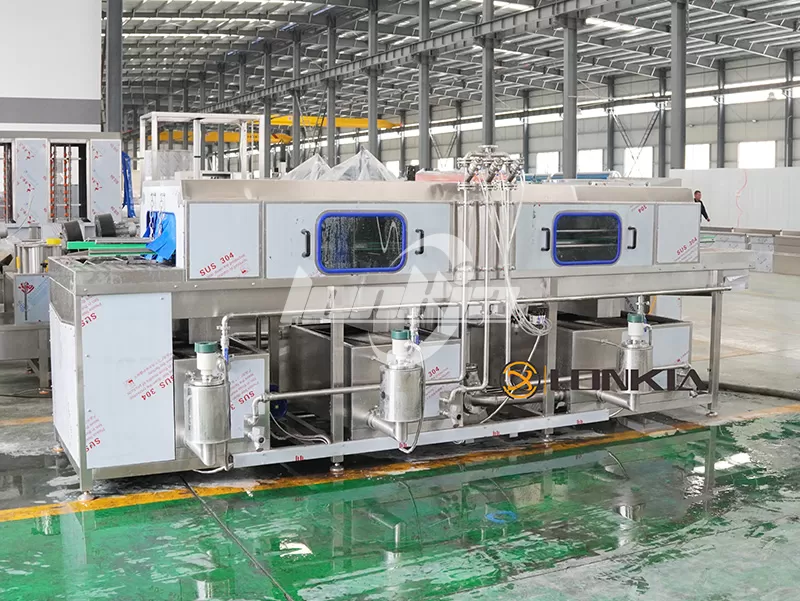
3. Spray System Capability
The high-pressure spray system directly determines cleaning efficiency:
- Is the nozzle layout uniform?
- Is the water pressure stable?
- Is water temperature control precise?
The more efficient the spray system, the shorter the cleaning time required per basket, thereby increasing overall processing capacity.
4. Basket Specifications and Arrangement
Baskets of different sizes and structures affect throughput efficiency:
- Larger baskets occupy more conveying space
- Multi-row feeding can increase processing volume per unit time
Therefore, actual production capacity must be evaluated based on the specific types of baskets used.
5. Water Circulation and Filtration System
An efficient filtration system continuously removes impurities, reduces the frequency of shutdowns for cleaning, and keeps the equipment running continuously. At the same time, a water recirculation design helps stabilize equipment performance.
How to Select the Right Basket Washer Model?
1. Match the Production Cycle
Equipment capacity should align with the production line's rhythm. It is recommended to include a margin of capacity based on actual demand to accommodate peak production periods.
👉 Recommendation:
Equipment capacity ≥ 1.2 times actual demand
2. Determine Requirements Based on Application Scenarios
Different applications have varying equipment requirements:
- Food processing: Emphasizes continuous and stable operation
- Central Kitchens: Focus on matching cleaning standards with operational rhythm
- Logistics Turnaround: Prioritize rapid batch processing
Clearly defining the usage scenario helps ensure precise model selection.
3. Consider the Equipment's Adjustability
High-quality basket washing machine typically offers flexible adjustment capabilities, such as:
- Adjustable conveyor speed
- Controllable cleaning time
- Expandable functional modules
These features allow the equipment to adapt to changing demands across different production stages.
4. Impact of Automation Levels
Features such as automatic feeding, automatic water replenishment, and temperature control reduce manual intervention, enhance operational stability, and ensure consistent output during prolonged operation.
Common Selection Issues and Recommendations
- Focusing Only on Price While Ignoring Compatibility: Low-cost equipment with insufficient capacity may actually increase labor and time costs.
- Ignoring Actual Operating Conditions: Factors such as the degree of contamination and usage frequency of the baskets will affect overall efficiency and should be evaluated based on actual conditions.
- Overemphasizing High Specifications: Over-specifying equipment that cannot be fully utilized will result in a waste of resources.
Application Advantages of Lonkia Basket Washing Machines
In actual projects, Lonkia's basket washing machine solutions prioritize operational stability and structural rationality, for example:
- Multi-stage washing layout to enhance processing efficiency
- Stainless steel construction suitable for high-standard operating environments
- Flexible customization of conveyor width and processing capacity
- Stable circulation system supporting long-term continuous operation
By adjusting settings for different operating conditions, the equipment better meets customer needs in practical use.
Conclusion
Selecting the right basket washing machine involves more than just reviewing specifications; it is crucial to ensure the equipment aligns with your production rhythm and operating conditions. By carefully evaluating capacity, structure, and functional configurations, you can effectively improve overall operational efficiency and reduce long-term operating costs.
For companies planning to upgrade their washing processes, a machine that meets their specific needs is often a critical step toward enhancing production stability.