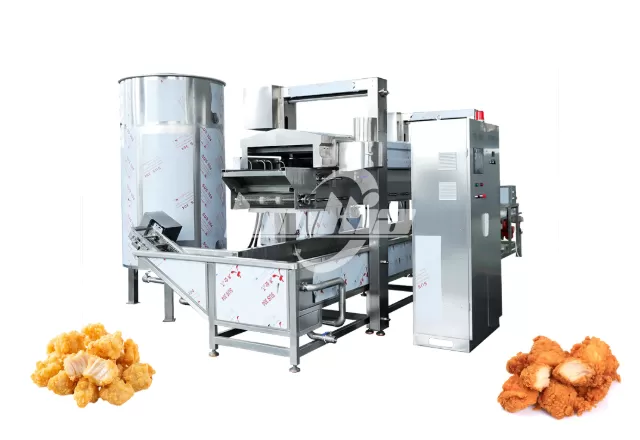
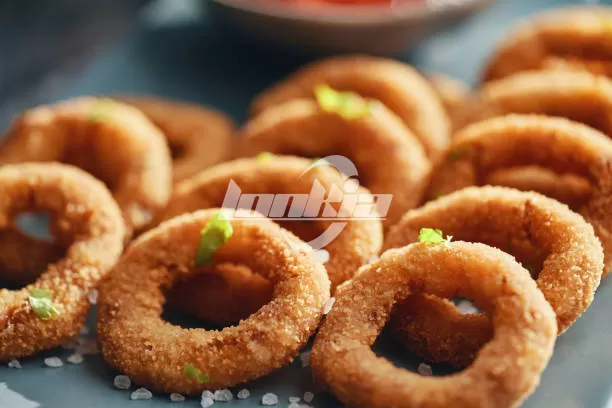
In the global snack market, onion rings are favored by consumers for their crispy texture and distinctive flavor. To achieve high yields and standardized production, specialized onion processing lines have emerged. Designed specifically for value-added products like onion rings and onion slices, these onion rings frying lines significantly enhance processing efficiency and product consistency.
Key Processes and Equipment in Onion Processing Lines
1. Onion Washing and Pre-processing
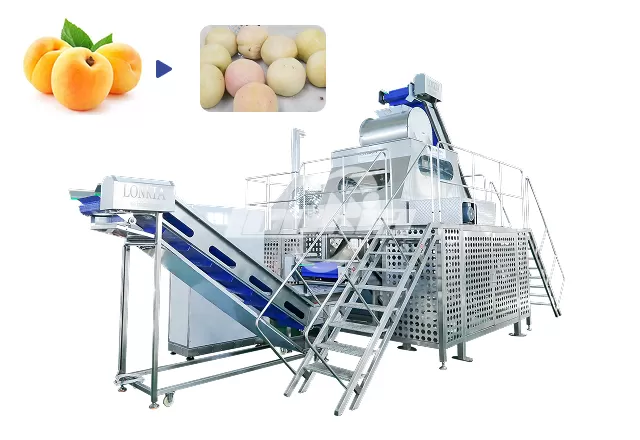
Raw onions first pass through an Onion Head and Tail Cutter to remove roots and flower stalks, ensuring onion integrity. They then enter the Onion Peeler for mechanical peeling without chemical treatment, preserving the onion's natural flavor. This step ensures clean, intact onions, laying the foundation for subsequent slicing and processing.
2. Onion Ring Cutting and Cleaning
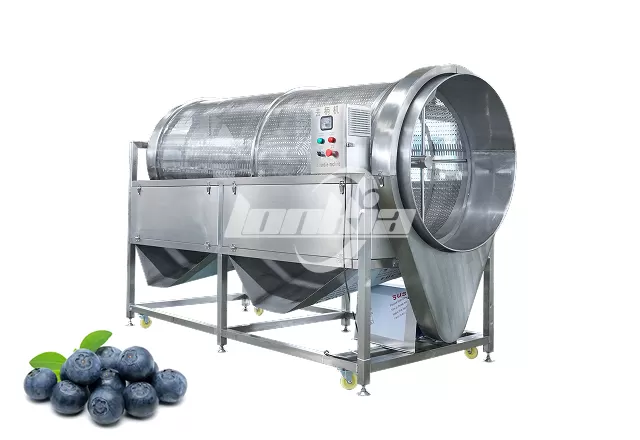
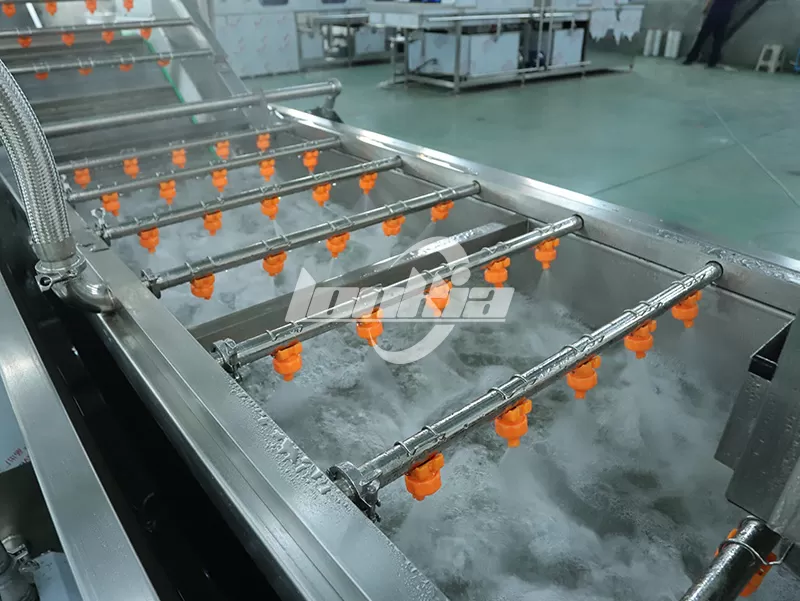
Peeled onions are cut into rings or slices by the Onion Ring Cutter, with adjustable thickness to guarantee product consistency and texture. The cut rings enter the Bubble Cleaning Machine, where water flow and bubbles remove residues and impurities, providing clean raw material for frying.
3. Air Drying and Frying
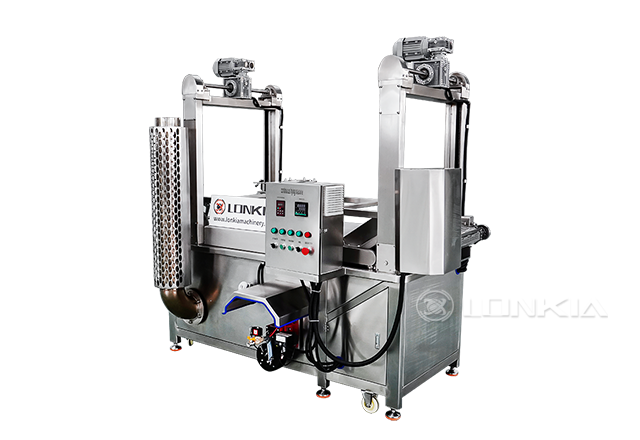
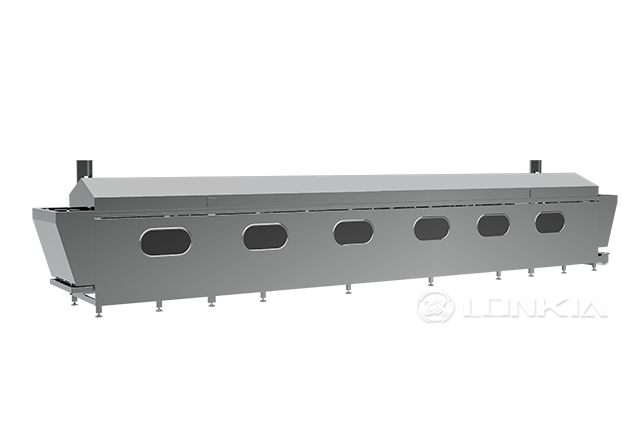
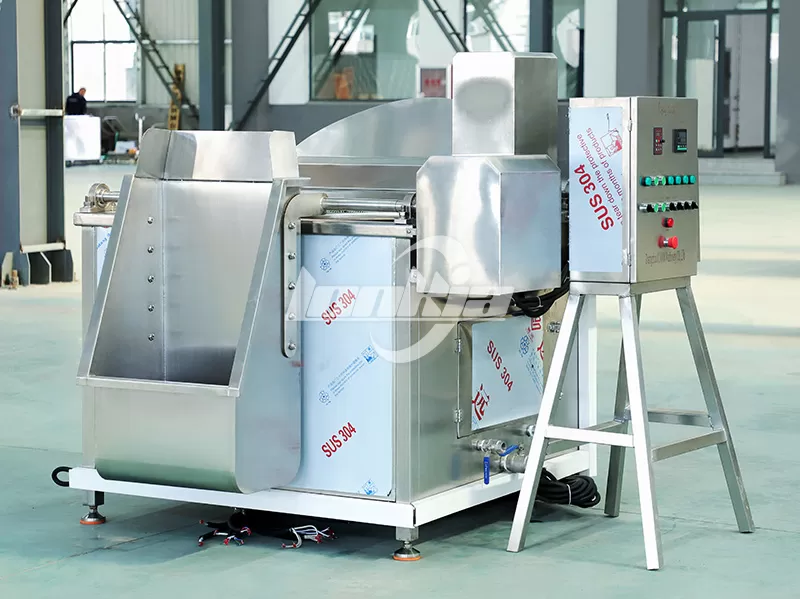
The washed onion rings undergo air drying in an Air Drying Machine to reduce moisture content and prevent oil temperature fluctuations during frying. The core equipment in the onion processing line, the Onion Rings Fryer, features precise temperature control and a filtration system to ensure stable oil temperature, resulting in crispy, golden-brown finished products.
4. Deoiling, Seasoning, and Packaging
Post-frying onion rings pass through a Centrifugal Deoiling Machine to remove excess oil, enhancing taste and extending shelf life. They then enter the Seasoning Machine for uniform flavoring before being packaged in standardized quantities by the Packaging Machine, ensuring consistent finished products.
Key Considerations for Equipment Selection
- Production Capacity Matching: Select equipment with appropriate output based on market demand to avoid oversizing or undersizing.
- Equipment Material & Hygiene: Food-grade stainless steel ensures easier cleaning and durability.
- Automation & Ease of Operation: Automated temperature control, conveying, and cutting reduce labor costs and enhance stability.
- Operating Costs: Consider long-term expenses like oil consumption, air usage, and water/electricity usage.
- After-Sales Service & Customization Capabilities: Verify if onion processing line supports customized layouts and provides installation, training, and maintenance services.
- Consistency and Product Quality: Cutting thickness, frying temperature, and oil removal rate determine product texture and appearance.
Conclusion
A professional onion processing line encompasses every essential step—from root/tip removal, peeling, slicing, washing, dehydration, frying, and degreasing to seasoning and packaging. Selecting the right equipment enables onion rings to achieve high output, superior quality, and low labor costs, ensuring market competitiveness. Lonkia specializes in developing high-efficiency production lines, empowering clients to establish stable, large-scale production systems.
For detailed equipment specifications or to request a quote, please contact Lonkia Machinery.