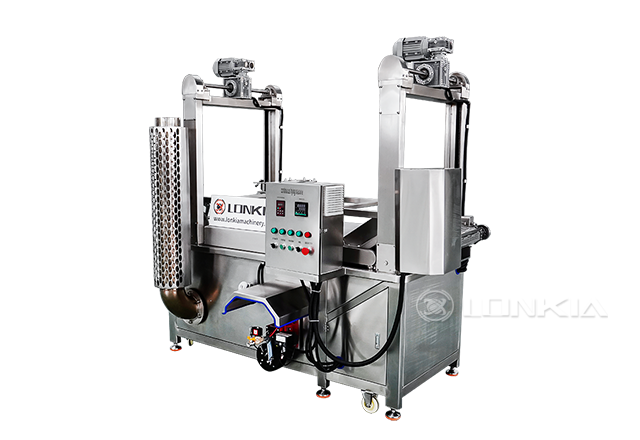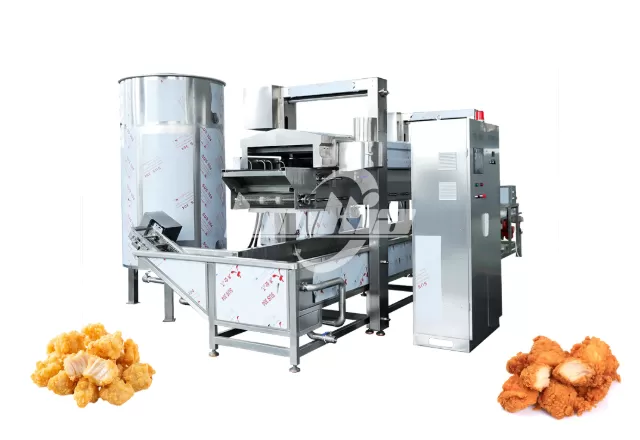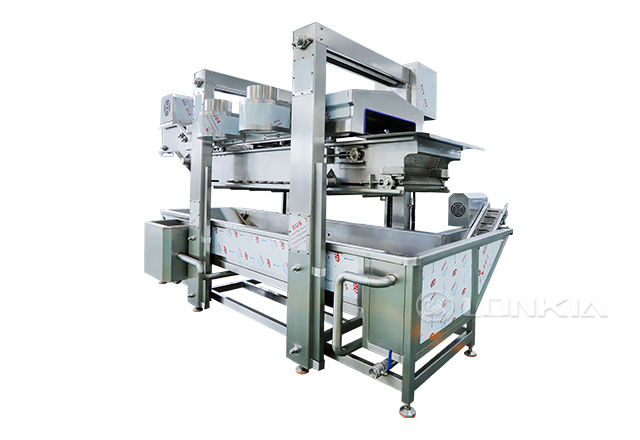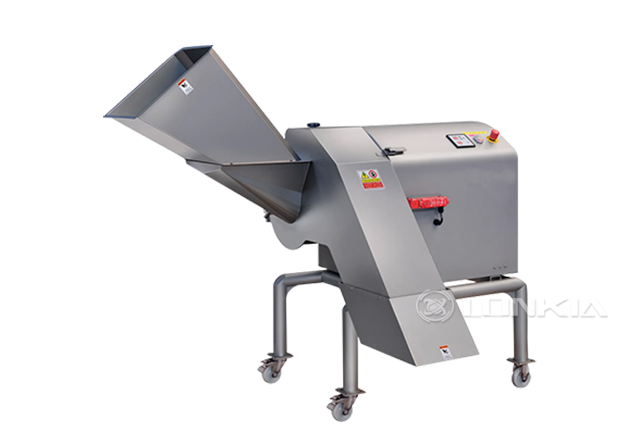
In the food processing industry, the French fries fryer stands as one of the core pieces of equipment. For many clients planning to invest in or expand their French fry production lines, the French fries fryer price is one of the most critical factors. Significant price variations exist among different models and configurations of continuous fryers. Understanding these differences helps clients make more informed purchasing decisions.
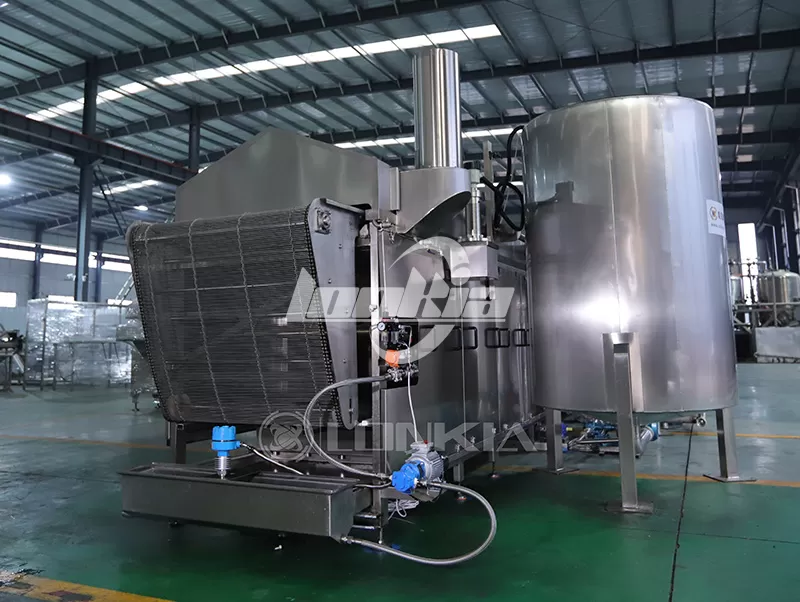
Impact of Materials on French Fries Fryer Price
The primary materials used in a fryer directly determine the French fry making machine's lifespan and food safety standards. Typically, continuous fryers made from 304 or 316 stainless steel command higher prices than carbon steel models. However, the advantages include superior corrosion resistance, ease of cleaning, and long-term assurance of food hygiene standards. This material choice not only affects pricing but also enhances the equipment's stability during high-intensity production.
Production Capacity and Equipment Structure
Another major factor affecting French fries fryer price is production capacity and structural design. Continuous fryers range in output from hundreds of kilograms to several tons per hour, depending on specific production requirements. Conveyor belt width, oil tank capacity, and the precision of the temperature control system all directly influence pricing. When considering cost, customers should first select appropriate specifications based on their production needs to avoid underinvestment or wasted capacity.
Heating Methods and Energy Costs
French fries deep fryer machines primarily utilize electric, gas, or steam heating methods. These differ significantly in initial purchase costs and long-term operational expenses. For instance, gas heating systems have higher upfront costs but offer faster heating and superior energy efficiency. Electric heating systems have lower initial prices, but electricity costs may increase overall expenses during prolonged production. Therefore, French fries fryer price should not be evaluated solely based on purchase price; comprehensive assessment must include energy consumption.
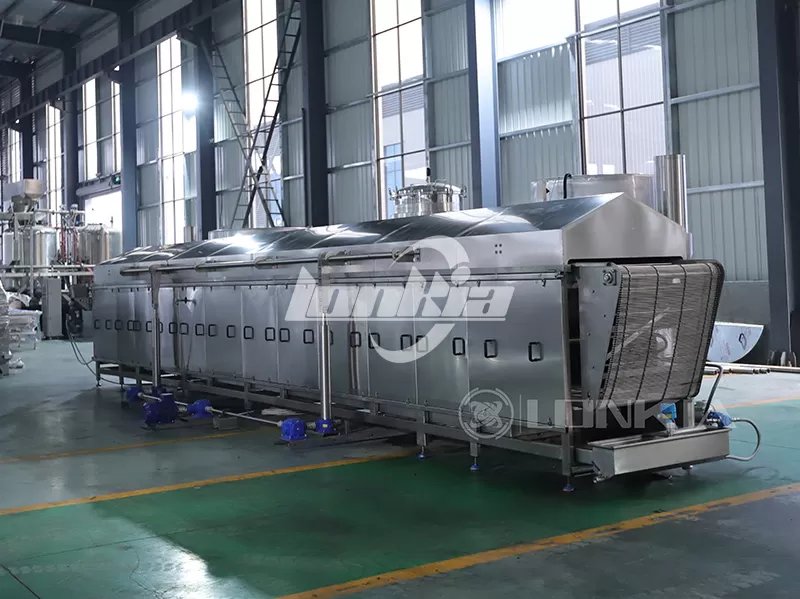
Oil Circulation and Filtration System
High-quality continuous fryers typically incorporate oil circulation and filtration systems, a key factor in price variation. This system maintains oil cleanliness, reduces oil consumption, and enhances French fries' texture and color uniformity. While equipment with this system commands a higher price, it effectively lowers oil replacement frequency over time, helping customers save on operational expenses.
Automation and Control Systems
With increasing automation in food processing machinery, some French fry making machines incorporate PLC-based intelligent control systems. These enable automatic temperature regulation, oil level monitoring, and conveyor belt speed adjustment. While such highly automated models command slightly higher French fryer prices, they significantly reduce labor dependency, boost production efficiency, and enhance product consistency.
Conclusion
In summary, the French fries fryer price is not a single figure but is influenced by multiple factors including material quality, production capacity, heating method, oil circulation system, and automation level. When selecting a continuous fryer, customers should comprehensively evaluate equipment value by balancing their production targets with long-term operational costs. Lonkia's continuous French fry fryers offer diverse options in material selection, structural design, and automation configurations. This enables us to provide customers with tailored solutions, helping them achieve long-term returns on their investment.