The raisin processing machine is the core equipment in modern raisin production, transforming fresh grapes or semi-finished raisins into high-quality finished products through an integrated mechanical process. From raw material pretreatment to final packaging, each step impacts the quality of the end product and production efficiency. This article will systematically analyze the workflow of raisin processing machines, helping you clearly understand the equipment's value and key selection criteria.
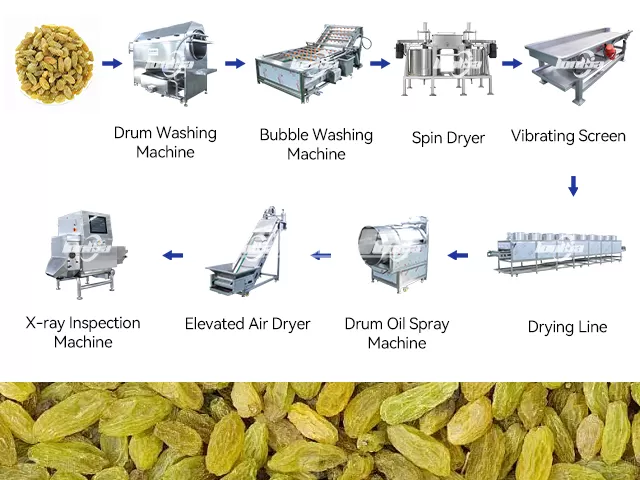
Cleaning: Removal of Foreign Matter and Stem Residues
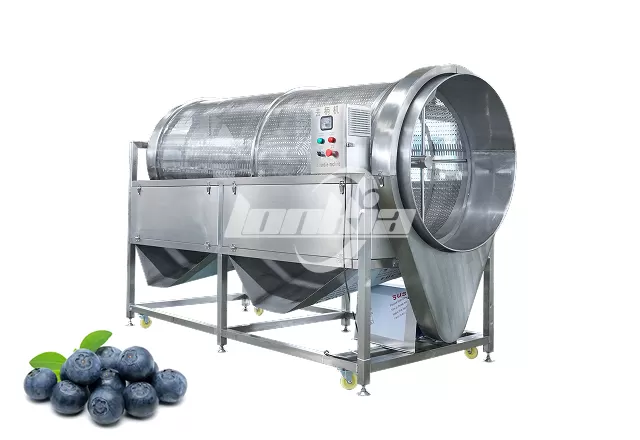
The initial production step involves eliminating large debris, grape stems, leaves, and other contaminants from the raw material. This process is typically accomplished using a vibratory separation cleaning device or a pneumatic separation system.
This processing step is crucial for ensuring smooth operation throughout the entire production line and is an indispensable component of the raisin processing line.
Washing Stage: Thoroughly Remove Dust and Residues
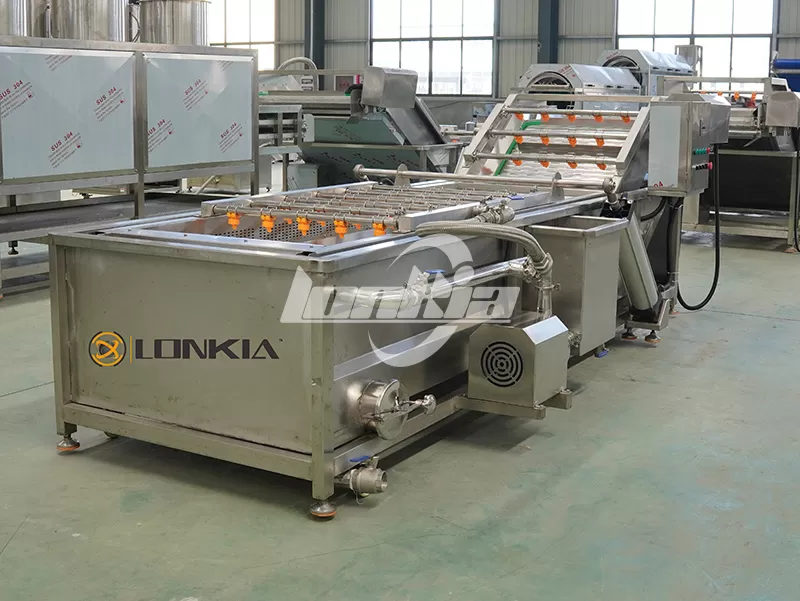
Washing is the step most directly impacting product quality throughout the process. Bubble washing machines utilize high-pressure water jets and mechanical agitation to remove residual dust and impurities from the grape surface.
Bubble Washing Machine Features:
- Multi-point spray nozzles ensure comprehensive cleaning
- Adjustable washing duration and water volume settings
- Stainless steel construction facilitates easy cleaning and maintenance
For customers, cleaning effectiveness directly impacts the final product's taste and hygiene standards. Therefore, the stability and controllability of the cleaning system are critical considerations when selecting raisin processing machines.
Drying: Removing Surface Moisture
After washing, the material surface typically retains significant moisture. Upon entering the drying system, a high-speed air drying mechanism combined with optimized air duct design rapidly disperses moisture.
Advantages of air drying:
- Rapidly removes surface moisture, laying the foundation for subsequent drying or processing stages
- Preserves the internal structure of the material during processing
An efficient air drying system not only shortens the time of the raisin processing line but also reduces issues like uneven drying caused by excessive residual moisture.
Inspection Stage: Integrated Manual and Mechanical Quality Control
After drying, the material enters the inspection station for manual or machine vision checks.
Inspection items include: color abnormalities, impurity residues, broken particles, etc.
- Inspection methods can be manual sorting or supplemented with photoelectric detection systems.
- The purpose of this stage is to preemptively remove non-conforming materials, ensuring only quality-compliant raw materials proceed to the next step.
For customers seeking consistent quality, appropriately configured inspection equipment significantly enhances final product uniformity.
Oil Spraying Treatment: Enhancing Luster and Flavor
The high sugar content on raisin surfaces, especially in humid conditions, causes them to stick together, forming hard clumps. Spraying a fragile oil film creates a physical barrier between raisins, keeping them loose and separate. This facilitates sorting, packaging, and consumer handling. It is crucial for smooth production line operation and product appearance.
Oil Spraying System Features:
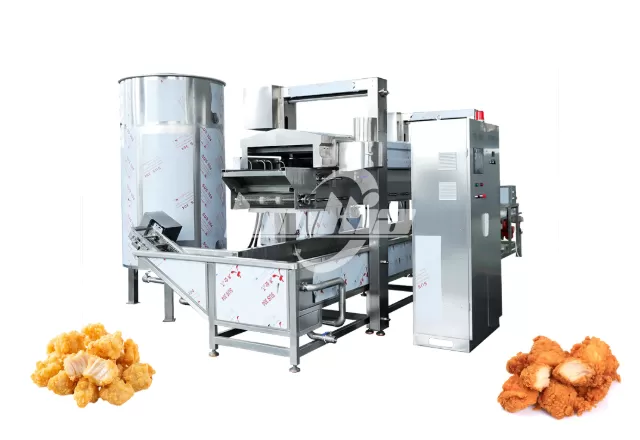
- Precise application of edible or flavored oil
- Controlled oil volume prevents sticking and greasiness
- Uniform coverage across raisin surfaces
This step not only enhances color but also enriches flavor, meeting premium market demands. It is particularly vital for branded producers.
Sorting: Organizing Products by Specifications
After oil treatment, raisins enter a sorting system, typically employing vibratory grading or air-jet separation:
- Size grading (large, medium, small particles)
- Select premium products by appearance
An efficient sorting system enables production of different grade products, elevating sales tiers and profit margins. For large-scale producers, sorting precision is key to enhancing product premium pricing.
Packaging: Seamless integration with packaging equipment
The final step involves conveying processed raisins to the packaging preparation area. This stage can directly interface with weighing, metering, and automatic packaging machines to achieve fully automatic raisin processing lines.
For clients prioritizing process automation and minimizing manual intervention, a comprehensive raisin processing system delivers higher output and more consistent quality.
Conclusion: Understanding the Process to Select the Right Raisin Processing Machine
From debris removal to final grading and packaging, each step of the raisin processing machine determines product quality and production efficiency. Understanding these mechanical stages not only enables informed investment decisions but also facilitates rapid troubleshooting and capacity optimization on the production floor.
If you're evaluating equipment for a raisin project, Lonkia's raisin processing machines deliver stable, reliable process design and high-efficiency performance—essential tools for boosting production efficiency and product quality.
👉 Want to explore detailed process configurations or request a quote? Contact us to receive a customized solution.