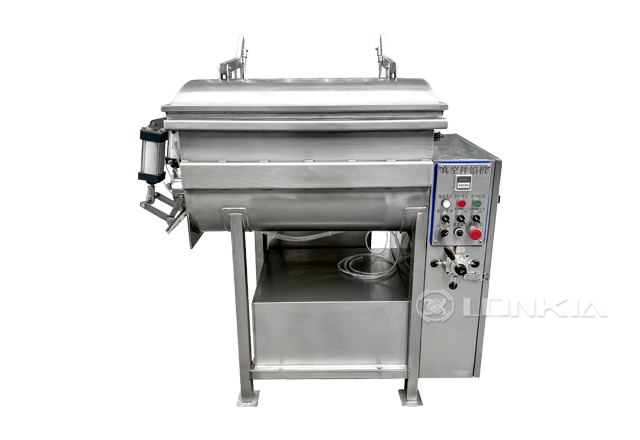
How can potatoes be processed? For potato farms, agricultural processing companies, frozen food manufacturers, and central kitchens, harvested potatoes can be sold as fresh produce or processed into various products through steps such as washing, peeling, cutting, blanching, frying, and quick-freezing. How can potatoes be processed? It actually depends on the final product, processing specifications, and production volume requirements.
For farms with a stable potato supply, adding washing, cutting, or further processing equipment lets them incorporate the raw material into more stages of product processing. Therefore, before selecting potato processing equipment, it is essential to first determine "what the potatoes will be processed into" and then decide how to configure the production line.
What Are the Common Methods for Processing Potatoes?
1. Washing and Peeling
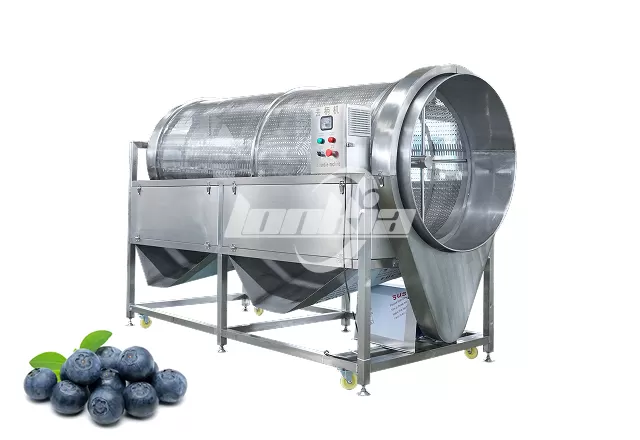
Fresh potatoes typically carry soil and surface impurities and must first be processed using potato washing equipment. If the product requires peeling, brush-roller washing and peeling equipment can be added. For farms and processing companies, consistent pre-processing ensures the raw material is in an optimal condition for subsequent cutting.
2. Stripping, Slicing, Dicing, and Shredding
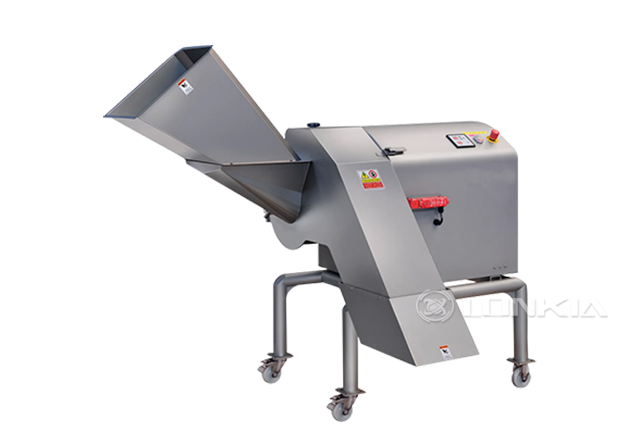
Different products require different cutting methods. French fries require uniform potato strips, potato chips require slices of consistent thickness, while potato cubes and potato shreds require corresponding blades and cutting mechanisms.
Therefore, when selecting a potato cutting machine, one must not focus solely on the equipment's production capacity but also determine the finished product dimensions, cutting style, and raw material specifications in advance. Cutting equipment can be used as a standalone process or combined with washing, blanching, and other equipment to form a continuous processing line.
What Products can Potatoes Be Processed into?
1. Frozen French Fries
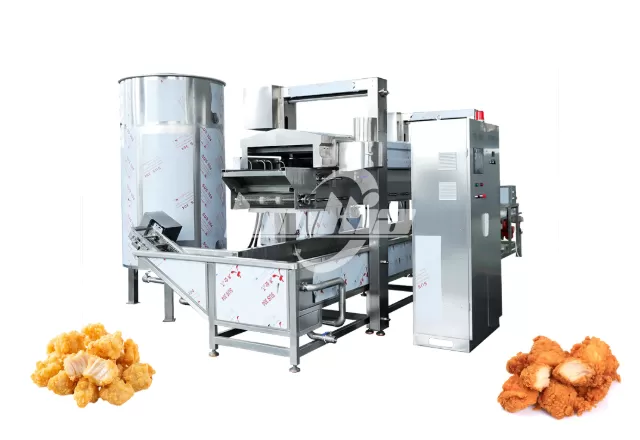
French fry processing typically includes washing, peeling, cutting into strips, blanching, dehydrating, frying, draining, and subsequent freezing or packaging. For frozen French fries processing lines, the blanching, dehydrating, frying, and quick-freezing equipment must be properly matched to prevent any single process from becoming a bottleneck in the entire production line.
2. Potato Chips
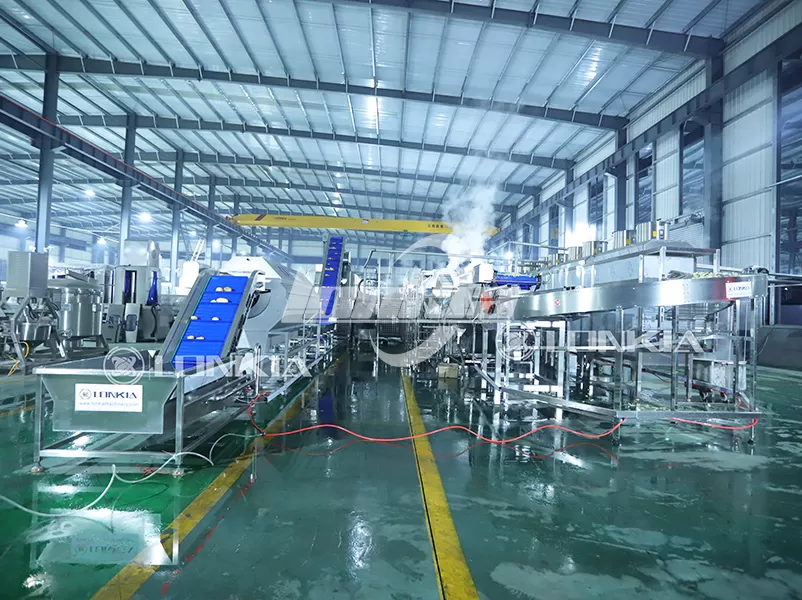
Potato chips making process places greater emphasis on continuous slicing and subsequent frying. After washing and peeling, the potatoes enter the slicer and then undergo rinsing, dehydration, frying, seasoning, and other processes according to the product specifications. For farms planning to process potatoes grown on their own land, raw material sizes and product specifications should be confirmed in advance before purchasing equipment.
3. Potato Cubes, Potato Strips, and Pre-cut Semi-Finished Products
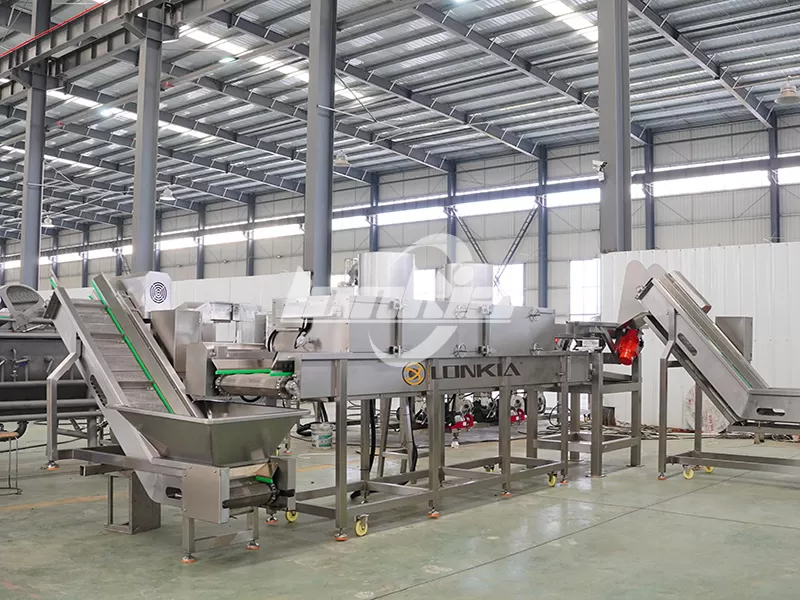
If a customer primarily supplies semi-finished potato products to restaurants, central kitchens, or food processing plants, the focus can be on configuring washing, peeling, and cutting equipment, without necessarily requiring a complete frying production line.
How to Configure a Potato Processing Line Based on Customer Needs?
Determine the Product First, Then the Machinery
Before purchasing potato processing equipment, it is recommended to clarify four key aspects: the final product, finished product specifications, target production capacity, and processing steps. For example, a French fry project focuses on cut size, blanching, and frying; a diced potato project focuses more on dice size and cutting precision; if the customer only requires washing and cutting, the configuration of downstream equipment can be reduced.
Match Upstream and Downstream Equipment Based on Production Capacity
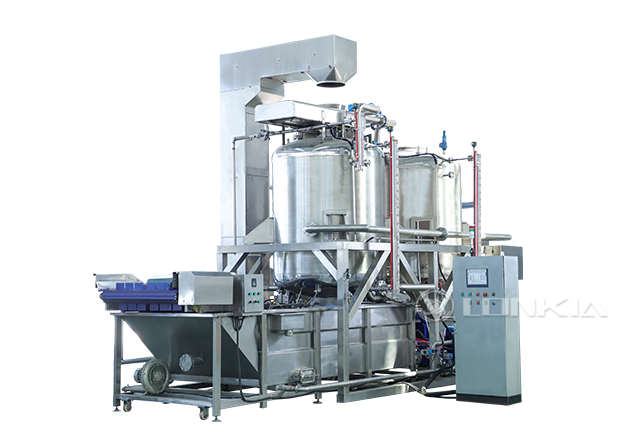
A potato production line is not necessarily better simply because it has more equipment. Processes such as washing, cutting, blanching, frying, and quick-freezing require a reasonable alignment of production capacity; otherwise, if the upstream equipment runs too fast or the downstream processing capacity is insufficient, it may affect continuous production.
LONKIA Provides Customized Potato Processing Solutions
LONKIA's potato processing solutions cover a wide range of needs, including French fries, potato chips, diced potatoes, shredded potatoes, cutting and washing, as well as washing and blanching. Existing potato washing, cutting, and blanching solutions can be combined based on product types and customized to meet specific customer specifications and production requirements.
For potato farms, planning can begin with raw material processing; for food processing companies, the focus can be on finished product specifications and production efficiency. Customers need only provide information on the raw potato material, target products, cutting dimensions, hourly output, and the planned processing workflow, and LONKIA will match the appropriate equipment and production line solutions accordingly.
Final Thoughts
There is no single, fixed process for potato processing. Washing, peeling, cutting, blanching, frying, and flash-freezing can be combined based on the final product. By clarifying product requirements before selecting the appropriate machinery, you can avoid configuring unnecessary equipment and ensure the entire production line better meets actual production needs.
For farms and food companies with access to potato raw materials that plan to engage in value-added processing, gradually building a complete production line starting with a single potato processing machine is another equipment solution that can be planned according to product objectives.