For egg processing plants, the efficiency of the cleaning process directly impacts overall production flow. If the output of the egg tray washer does not match daily demand, it can cause production bottlenecks or equipment downtime. Slow cleaning speeds lead to backlogs and increased waiting times, while machines with excessively high capacity may result in energy waste and unnecessary investment. Therefore, selecting an egg tray washer machine that aligns with your production capacity is crucial for ensuring smooth production line operation and cost control.
Key Factors Affecting Egg Tray Washer Output
The output of an egg tray washer is primarily influenced by the following factors:
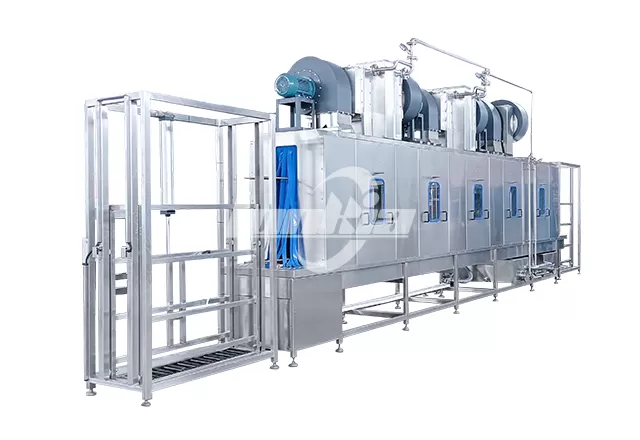
- Conveyor Speed: Faster conveyor chain operation increases output per unit time, but must not compromise cleaning and drying effectiveness.
- Spray System Design: Nozzle quantity and spray angles determine cleaning coverage. Multi-angle high-pressure spraying achieves thorough cleaning in minimal time.
- Water Circulation System: Efficient filtration and recirculation systems reduce water change frequency, maintain consistent cleaning intensity, and prevent output drops due to water quality issues.
- Drying Zone Length: The length and airflow of the drying system affect tray discharge speed. Higher drying efficiency ensures smoother overall line operation.
- Tray Dimensions: Different egg tray sizes occupy varying spaces. Optimal conveyor design ensures higher throughput within the same timeframe.
Assessing Daily Cleaning Requirements
Before selecting egg tray washing machine, determine the daily tray volume requiring cleaning. For instance, processing 10,000 trays daily necessitates a machine with an hourly capacity of 1,200–1,500 trays to ensure production buffer. Consider operational hours (e.g., 8 or 10 hours daily) and downtime for cleaning/maintenance.
Lonkia Egg Tray Washing Machine's High-Efficiency Output Performance
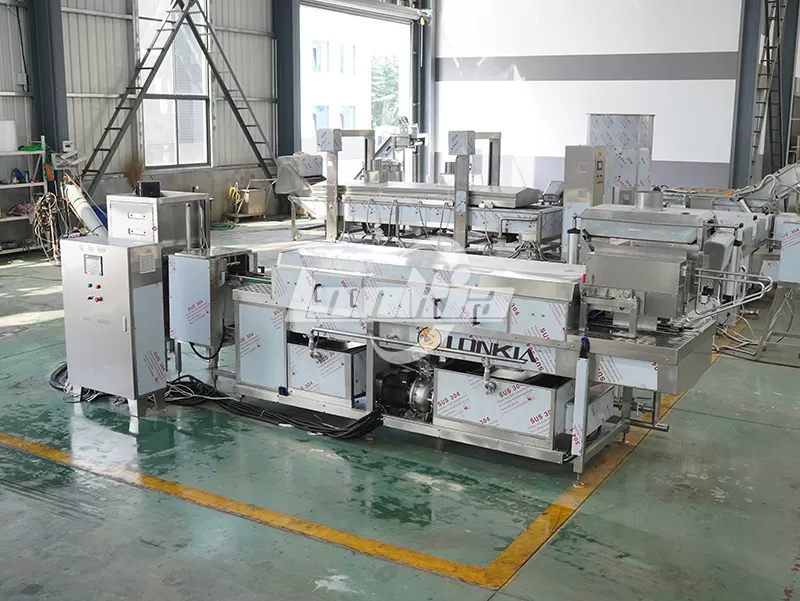
Lonkia's egg tray washers are engineered to meet dual customer demands for output capacity and cleaning efficiency. Featuring a multi-stage spray system and hot water circulation design, the egg tray washing machine significantly boosts hourly throughput while maintaining cleaning quality. Adjustable conveyor speeds and modular construction allow flexible operation pacing based on daily output, delivering truly "controllable output and efficient operation".
Conclusion
Selecting an egg tray washer with appropriate capacity involves more than matching technical specifications—it reflects production management efficiency. Strategic capacity planning and informed model selection enable enterprises to achieve continuous, stable high-efficiency production while maintaining cleanliness standards. If you seek an egg tray washing machine solution balancing efficiency and cleanliness, Lonkia provides professional model recommendations and customized support.