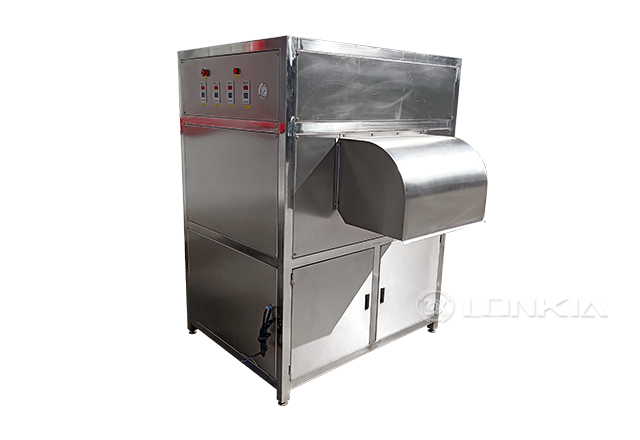
In the modern food processing industry, the plantain peeler machine is an indispensable piece of equipment for many processing plants. Particularly in production lines for plantain chips, fruit and vegetable pre-processing, and various deep-processing food products, selecting the appropriate plantain peeler machine not only impacts production efficiency but also affects product quality, operational costs, and production stability. This article addresses practical concerns from a customer perspective, guiding you toward scientific evaluation and precise model selection.
Assessing Raw Material Characteristics and Peeling Methods
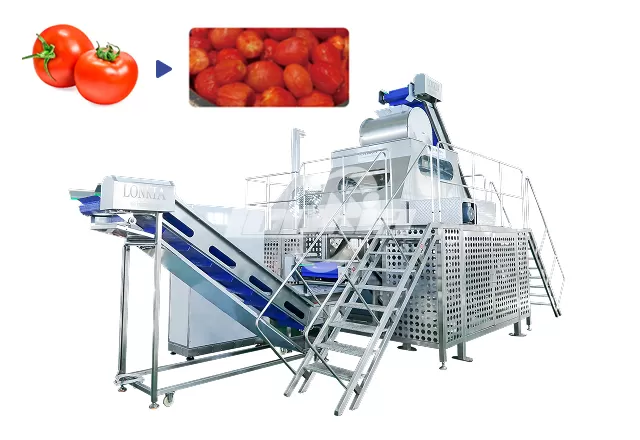
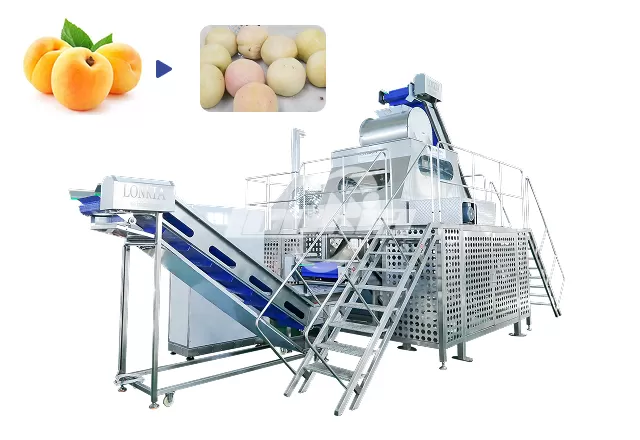
The skin texture, hardness, and thickness of different plantain varieties affect peeling outcomes. For instance, plantains feature relatively tough skin and dense flesh, requiring a peeling method that applies sufficient force without damaging the interior. Steam peeling utilizes high-temperature, high-pressure steam to penetrate the surface layer, causing the peel to naturally separate from the flesh. This method achieves high peeling success rates with minimal flesh damage and has proven significant advantages in numerous fruit and vegetable processing applications.
Recommended Selection Tips:
- For high-quality plantain chips or fresh-cut products, prioritize steam-type plantain peeler machines.
- For fruits and vegetables with thin, easily cracked skins, adjust steam parameters or select alternative equipment based on specific conditions.

Matching Production Capacity with Automation Level
When selecting a plantain peeling machine, clearly define the daily processing volume or hourly output target. Small-scale facilities may require only hundreds of kilograms per day, while large food processing lines demand continuous throughput of several tons.
Modern high-efficiency steam peelers can scale from 1 ton/hour up to 20 tons/hour or higher, meeting most industrial production demands.
Core Considerations:
- Capacity Matching: Determine required hourly peeling volume and select the corresponding model.
- Automation Level: Full automation reduces manual intervention, enhancing stability and consistency.
- Control System: PLC control + touchscreen interface facilitates on-site operation and parameter adjustments.
Equipment Integration & Production Line Compatibility
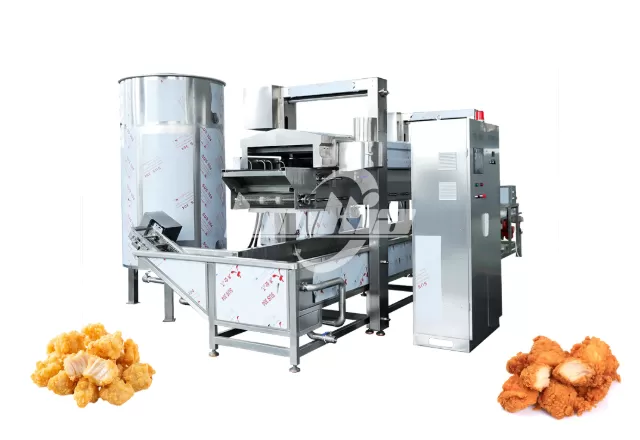
In actual production, plantain peeling machines are rarely used in isolation but rather serve as pre-processing equipment integrated with subsequent steps like washing, slicing, and frying. A plantain peeler machine with excellent integration capabilities can seamlessly connect with conveyor systems and downstream equipment, preventing intermediate stoppages.
In this regard, we not only supply standalone steam peelers but also offer complete plantain chips frying lines. These integrated systems enable continuous operation from peeling and slicing through frying and oil draining. For plantain processing projects, Lonkia typically provides comprehensive line configuration recommendations tailored to customer workflow requirements. This ensures optimal parameter matching across processes, significantly reducing commissioning challenges.
Equipment Reliability, Maintenance, and After-Sales Support
Purchasing a plantain peeler machine involves more than acquiring the equipment itself; it requires careful consideration of reliability and ongoing maintenance support. Opting for models with stable structures and premium materials like food-grade stainless steel (e.g., SUS304/SUS316) helps extend equipment lifespan and reduce downtime risks.
Selection Recommendations:
- Material & Manufacturing Quality: Prioritize stainless steel construction with no sanitary dead zones;
- Wear Parts Availability: Verify supplier provision of spare parts and rapid support;
- After-Sales Service: Confirm inclusion of installation guidance, commissioning support, and warranty coverage.
Conclusion
Selecting the right plantain peeler machine is a crucial step for food processing plants advancing toward automation and efficiency. Every factor—from raw material characteristics and production capacity requirements to automation control, equipment quality, and service support—deserves thorough evaluation. We hope this guide provides comprehensive, practical selection insights to help your production line truly run smoothly, operate reliably, and generate profits.
For detailed specifications of different plantain peeler machine models or customized solutions (including on-site installation guidance and professional advice), you may also directly consult the technical team of specialized equipment manufacturers.