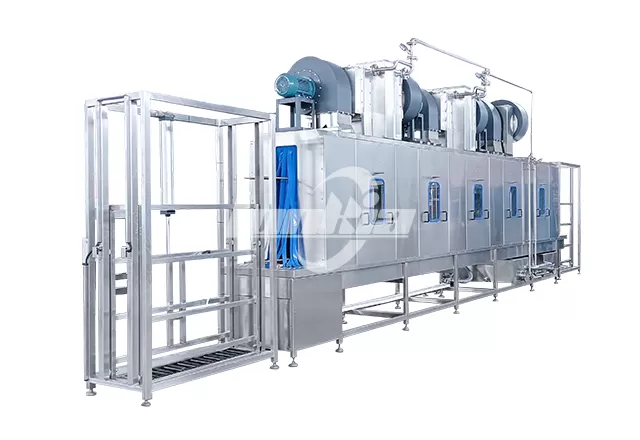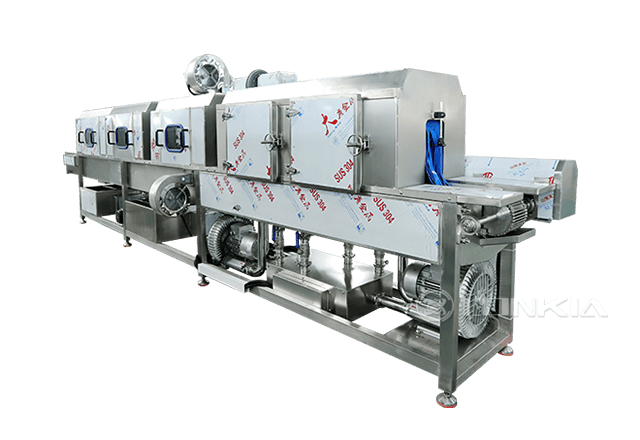
Many food processing plants often encounter a common issue when purchasing plastic crate washers: why do quotes vary so widely among different crate washing machine manufacturers? Some machines appear inexpensive but fail to meet cleaning requirements in actual use, while others, though priced higher, deliver long-term, stable performance.
In reality, the crate washer price is not fixed. Equipment costs vary based on cleaning requirements, configuration options, automation levels, and production line conditions. To obtain a truly accurate quote, customers must first clarify their specific needs.
Why Are There Significant Differences in the Crate Washer Price?
When requesting quotes, many customers typically ask only, "How much does a crate washer cost?"
However, in reality, the specifications of the crates used, the degree of contamination, and the processing capacity vary significantly from one factory to another.
For example:
- Some factories primarily wash produce crates
- Some factories need to process meat crates with heavy grease contamination
- Some customers require continuous assembly line operation
- Some customers need to add an air-drying system
These factors directly influence the structural design and configuration of the plastic crate washer, so quotes naturally vary significantly.
Key Factors Affecting Crate Washer Price
Crate Dimensions and Structure
The dimensions of plastic crates vary significantly across different countries and industries.
The crate washing equipment must adjust conveyor tracks and spray angles based on the crate's width, height, and perforation pattern.
If a customer uses non-standard plastic crates, a customized design is typically required, which increases the price.
Washing Capacity Requirements
Common processing capacity ranges for crate cleaning machines are:
- 100 pcs/h
- 500 pcs/h
- 1,000 pcs/h
- 2,000 pcs/h
Higher processing capacity demands more robust conveyor systems, higher pump pressure, and broader spray coverage, all of which increase equipment costs.
Cleaning System Configuration
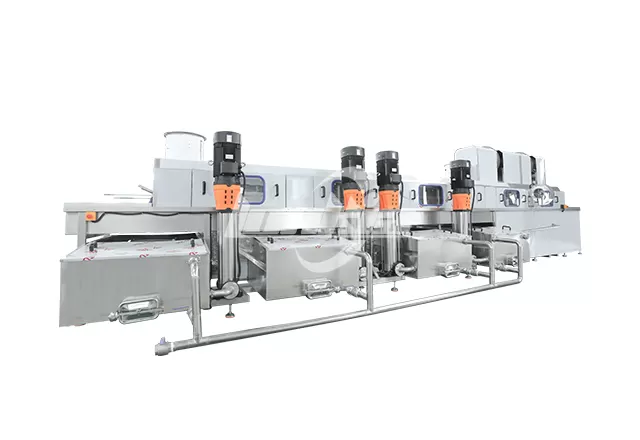
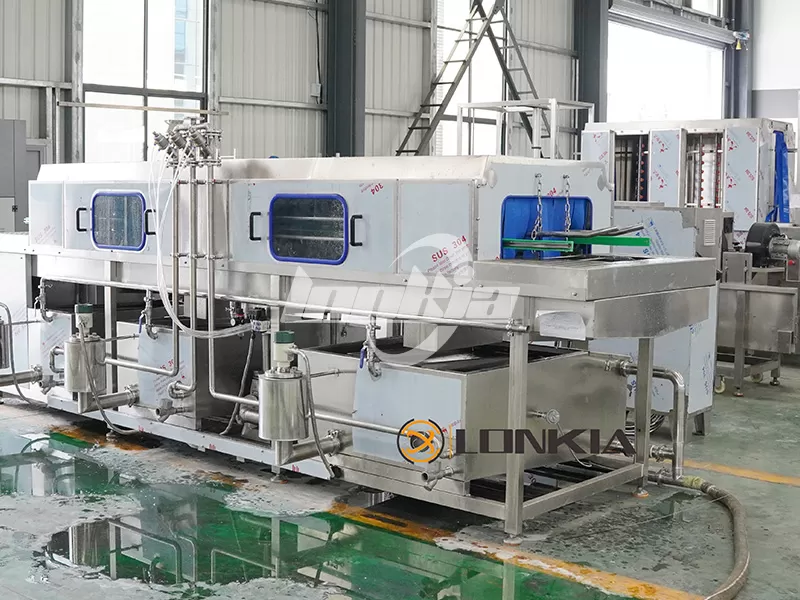
Current mainstream equipment typically employs a multi-stage structure comprising:
- Pre-wash
- Main wash
- Rinse
For return crates with heavy oil contamination, high-temperature hot water systems and high-pressure spray systems are added to enhance cleaning effectiveness.
Is an Air-Drying System Required?
Some customers require cleaned return crates to quickly proceed to packaging or stacking, so air knife drying or hot air drying modules are added.
Although an air-drying system increases the crate washer price, it effectively reduces water residue and improves subsequent production efficiency.
What Information Should Be Prepared Before Obtaining an Accurate Quote?
To avoid repeated communication, customers are advised to prepare the following information in advance when requesting a quote:
1. Pallet Dimensions
Including:
- Length
- Width
- Height
Different pallet types affect:
- Conveyor belt width
- Nozzle layout
- Washing channel dimensions
- Water pressure coverage
If images or samples are available, the quote will be more accurate.
2. Hourly Processing Capacity
The conveyor speed and spray system of the crate cleaning machine must be matched to the production capacity.
Different capacities imply:
- Different pump power
- Different conveyor speeds
- Different equipment lengths
For example, plastic crate washers with capacities of 100 pcs/h and 1,000 pcs/h have significant differences in structure and configuration.
3. Type of Contamination
Different types of contamination require different cleaning solutions, such as:
- Dirt
- Oil stains
- Blood stains
- Food residue
If stains are severe, the following are typically required:
- High-pressure spray system
- Hot water heating system
- Multi-stage cleaning structure
These factors will all affect the final price.
4. Drying Requirements
Some customers only require basic cleaning, while others require complete blow-drying.
5. Factory Layout
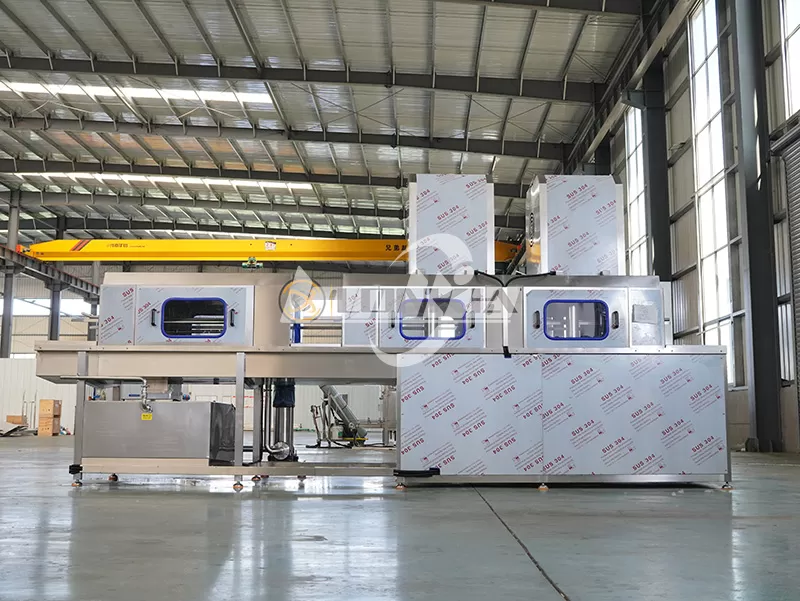
Workshop space affects the overall structural design and the direction of the industrial crate washing machines' inlets and outlets.
How to Choose a More Reliable Crate Washer Manufacturer?
In addition to the crate washer price, customers should also consider:
- Whether the manufacturer offers customization capabilities
- Whether they have proven case studies
- Whether they use SUS304 stainless steel
- Whether they support PLC control
- Whether they provide after-sales service
Lonkia has extensive experience in the plastic crate washer industry and can provide tailored solutions based on different crate specifications, production layouts, and cleaning requirements, helping customers achieve a more stable and efficient cleaning equipment configuration.