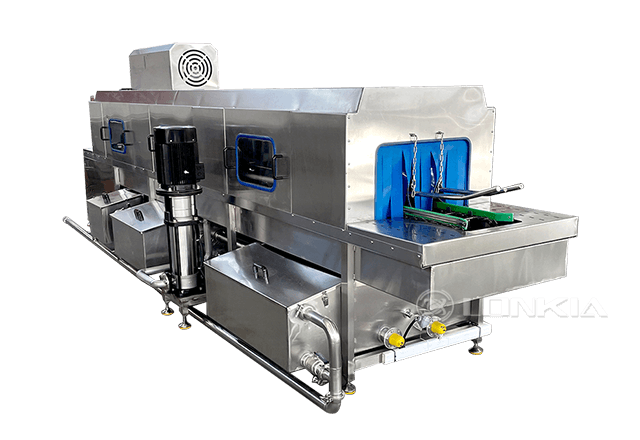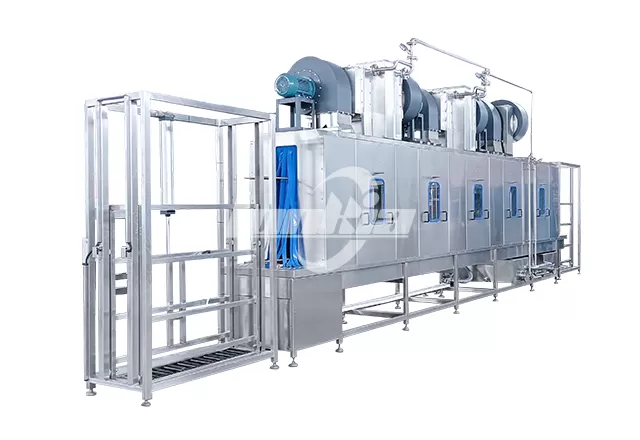
In modern food processing, central kitchens, logistics warehouses, and other production environments, cleaning baskets, containers, and trays is a critical part of daily operations. Manual cleaning is not only inefficient and inconsistent in quality but can also lead to cross-contamination and food safety risks. Implementing automated basket cleaning machines can significantly boost cleaning efficiency, ensure hygiene standards, and reduce labor costs. However, to maximize the equipment's value, it must be properly integrated into the production workflow.
Define Cleaning Requirements: Start with Objects and Frequency
First, assessing the types, sizes, and contamination levels of baskets requiring cleaning is crucial. Different container surface structures, residue types, and grease/dirt levels dictate varying equipment configuration needs. Understanding the cleaning objects helps determine the basket washing machine's specifications, spray system setup, conveyor speed settings, etc., preventing under- or over-capacity issues post-selection. Additionally, clarify the daily cleaning frequency and volume to plan capacity requirements.
Optimize Equipment Layout: Align with Production Rhythm
Seamless integration of the basket cleaning machine into the production flow hinges on layout. Position the cleaning machine after the point where cleaning demand arises, such as:
- In food processing: Between raw material handling and subsequent processing stages
- In pre-shipment cleaning and recycling phases
- At the warehouse entry point for recovery and reuse
Strategic placement prevents workflow bottlenecks or unnecessary walking distances caused by improper equipment positioning, thereby enhancing overall efficiency.
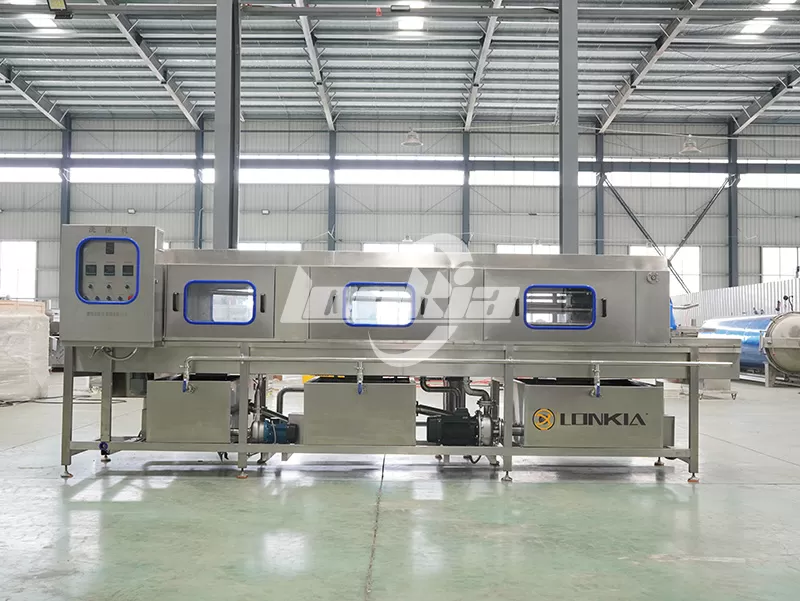
Optimizing the Cleaning Process: Setting Appropriate Parameters
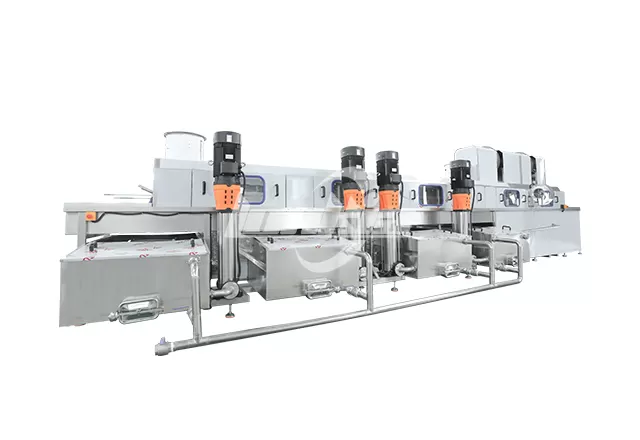
Modern basket cleaning machines typically feature multi-stage processes, such as pre-rinse, main wash, final rinse, and (optional) hot air drying. Adjusting the following parameters based on production realities can significantly improve cleaning effectiveness:
- Conveyor Speed: Adjust cleaning duration based on contamination levels and production pace
- Water Temperature and Pressure: Increase water temperature and high-pressure spray intensity for oil residues or stubborn stains
- Detergent Dosage: Moderately increase detergent usage within sanitary standards to enhance cleaning power
These adjustments not only improve cleaning quality but also prevent damage to baskets, extending the service life of both equipment and containers.
Integrated Automation Control: Enhancing Operational Efficiency
Modern automated basket washers feature advanced control systems that interface with Manufacturing Execution Systems (MES) or other automated facilities. This enables automated functions such as start/stop operations and parameter adjustments. Such automated management facilitates:
- Reduced human intervention for improved consistency
- Real-time equipment status monitoring with early anomaly alerts
- Cleaning data logging for production quality traceability
Automated control systems not only boost cleaning efficiency but also enable visual, traceable production management.
Maintenance and Upkeep: Extending Service Life
Regular maintenance is essential for stable operation, including filter cleaning, nozzle clogging checks, and transmission system lubrication. Periodic inspections of electrical connections and control systems are equally critical. Proper maintenance not only reduces downtime risks but also enhances cleaning effectiveness and operational stability, ensuring long-term efficient production line performance.
Summary
To maximize the role of basket cleaning machines in production processes, focus on:
✔ Defining cleaning requirements and equipment specifications
✔ Strategically positioning equipment and process nodes
✔ Adjusting cleaning parameters to match actual production rhythms
✔ Leveraging automated controls to boost efficiency
✔ Maintaining consistent upkeep for long-term stable operation
Integrating equipment effectively into production workflows not only enhances cleaning efficiency and product quality but also helps businesses reduce costs and improve overall operational efficiency, enabling sustainable development.