In the processing of plantains, peeling is a critical step that affects subsequent processes such as slicing, frying, and freezing. Because plantain skins are relatively thick—and their toughness varies significantly with fruit ripeness—traditional manual peeling is not only slow but also prone to pulp loss, which affects product consistency. For companies searching for "how to peel a plantain", understanding the right peeling method is essential, especially when moving from manual preparation to industrial plantain processing. The steam peeler machine uses steam to rapidly treat the surface of the raw material, causing the skin tissue to loosen and thereby achieving a more efficient plantain peeling process.
How to Peel a Plantain Efficiently with a Steam Peeler Machine?
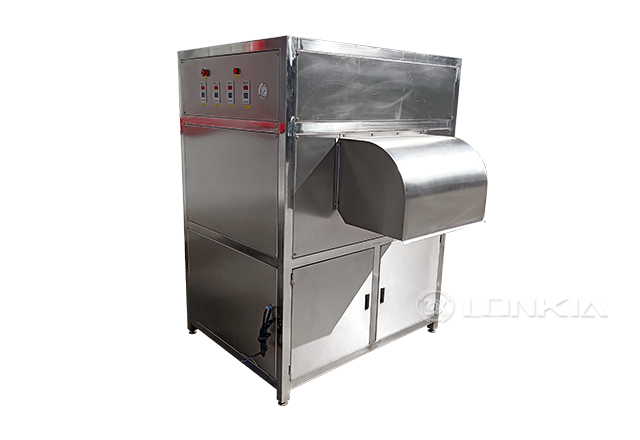
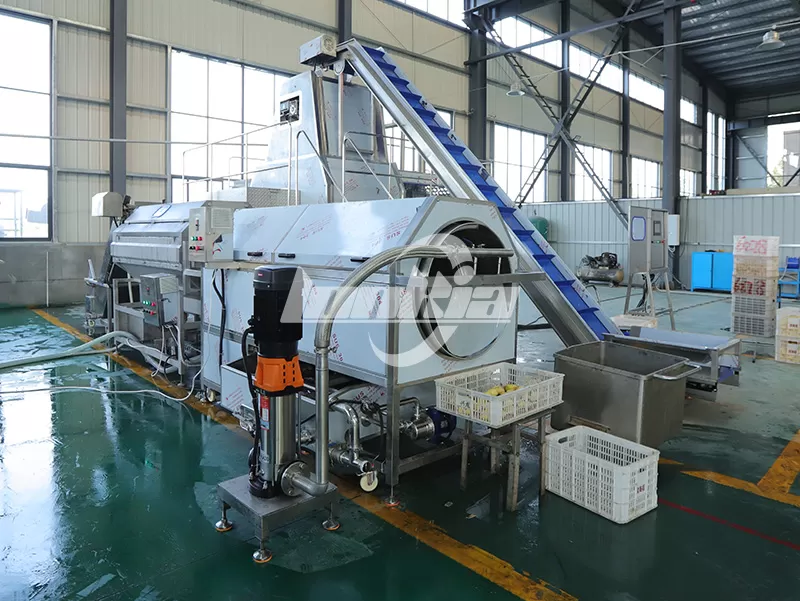
The working principle of the steam peeler machine involves briefly treating the plantain peel with high-temperature steam to create a separation between the peel and the flesh. This provides an effective answer to the question of how to peel a plantain efficiently in commercial food processing, where speed, consistency, and raw material utilization are important factors.
During operation, plantains enter a sealed processing chamber where the steam system rapidly heats up, and high-pressure steam is evenly applied to the surface of the raw material. After a preset processing time, the skin structure is softened, and when the pressure is released, the skin quickly peels away from the flesh.
Compared to traditional knife-peeling methods, steam peeling technology does not require extensive removal of the skin, better preserving the plantain's shape and reducing raw material waste during processing.
Key Advantages of Using a Steam Peeler Machine for Plantain Processing
1. Improves Peeling Efficiency to Meet Continuous Production Demands
Plantain processing typically requires integration with slicers, fryers, or other processing equipment. If the peeling stage is too slow, it can disrupt the entire production flow.
The steam peeler machine features a continuous processing design that reliably handles incoming raw materials, ensuring a smoother peeling process and helping the production line maintain stable operation.
2. Reduces Pulp Loss and Improves Raw Material Utilization
Manual peeling typically relies on knives to remove the outer skin, which can easily result in uneven peeling thickness due to variations in operator experience. In some cases, excessive peeling can remove a significant amount of usable pulp.
Steam peeling primarily acts on the outer skin layer, using heat treatment to separate the skin from the pulp, thereby reducing unnecessary cutting and improving the utilization rate of plantain raw materials.
3. Maintaining Consistent Product Quality
For companies producing plantain chips, frozen plantains, or other plantain products, consistency in raw material condition is crucial.
By controlling parameters such as steam temperature and processing time, the steam peeler ensures relatively consistent peeling results for each batch of plantains, providing a better foundation for subsequent cutting, frying, and packaging processes.
Lonkia specializes in the R&D of food processing equipment, designing reliable peeling solutions tailored to the characteristics of different raw materials to help food processing companies optimize production processes and improve equipment operational stability.
What Should Be Considered When Selecting a Plantain Steam Peeler Machine?
When purchasing plantain peeling equipment, customers typically need to focus on the following aspects:
Raw Material Compatibility: Plantains of different varieties, ripeness levels, and sizes may have varying skin structures. Whether the equipment can be tested and adjusted for specific raw materials is a key factor affecting peeling results.
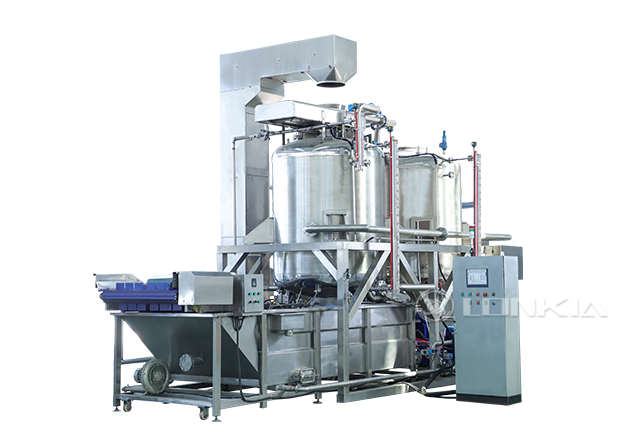
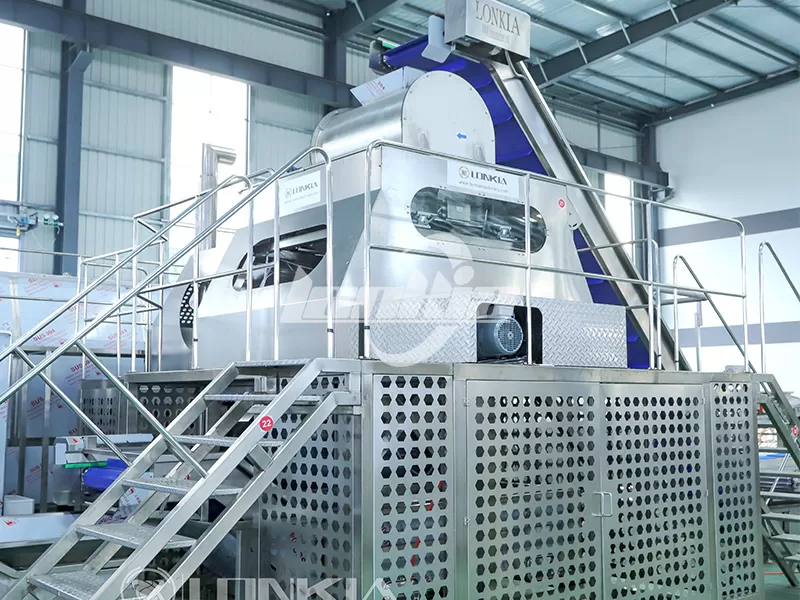
Equipment Structure and Materials: Since food processing equipment comes into prolonged contact with raw materials, the equipment's structure, manufacturing materials, and design for cleaning and maintenance are all critical. A well-designed machine facilitates daily operation and maintenance.
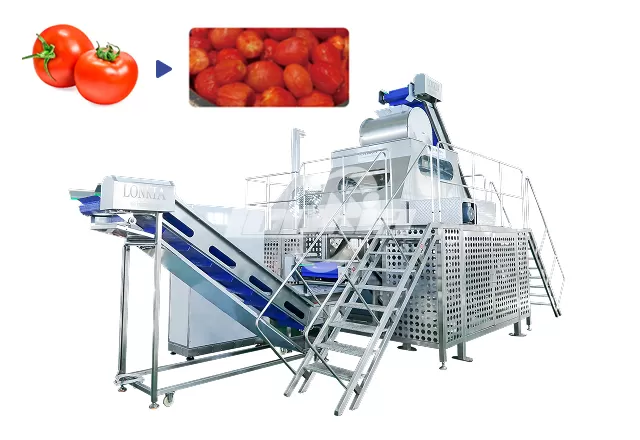
Integration with Production Lines: Plantain peeling is typically not a standalone process but rather part of an overall processing workflow. The equipment must integrate effectively with downstream machinery—such as washing, cutting, frying, and freezing units—to form a continuous processing line.
Steam Peeling Machines Offer a More Efficient Solution for Plantain Processing
For companies seeking to improve plantain processing efficiency, achieving fast and consistent peeling is a critical challenge in the production process. The Steam Peeler Machine improves upon traditional peeling methods through steam treatment technology, offering significant advantages in terms of increased processing efficiency, reduced raw material waste, and consistent product quality.
Selecting the right plantain peeling equipment not only optimizes individual processing steps but also enhances the operational efficiency of the entire plantain processing line, providing a stable raw material foundation for subsequent product processing.