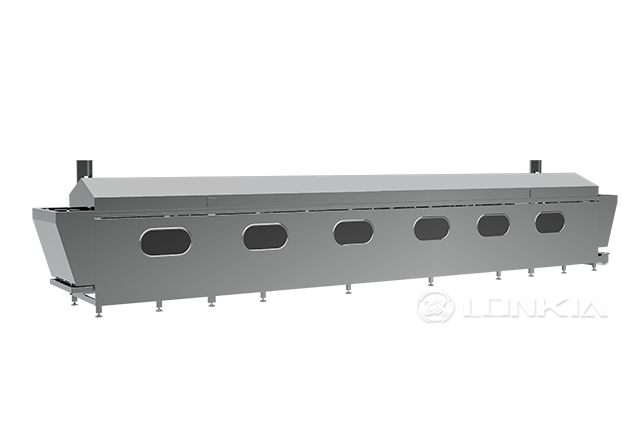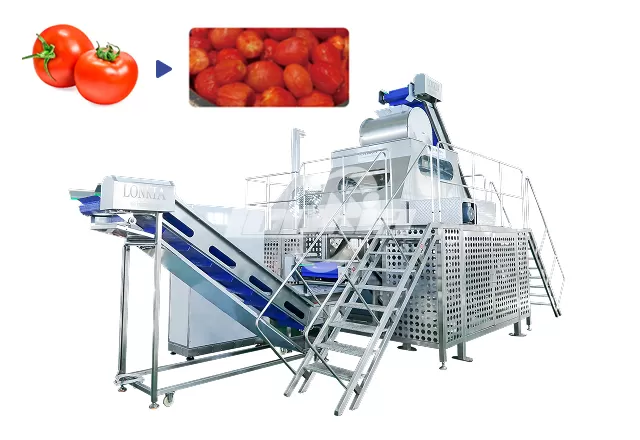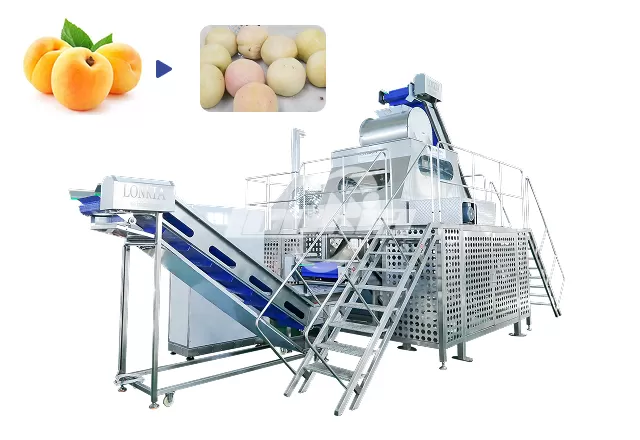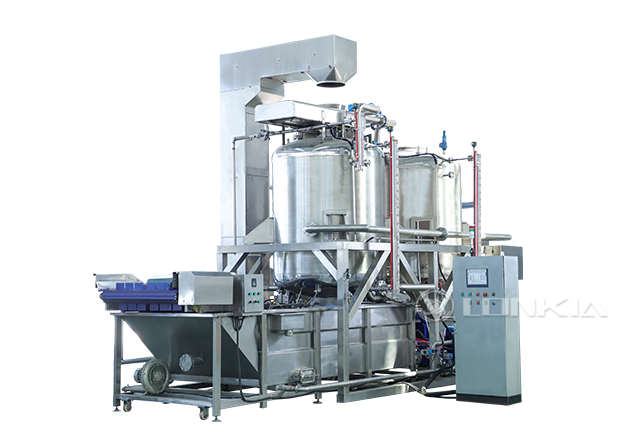
In the modern fruit and vegetable processing industry, peeling is a critical step in peach processing. Compared to traditional manual or mechanical friction peeling methods, steam peeling machines are increasingly favored by food processing enterprises for their stability, speed, and low damage rates. Steam peeling technology physically acts on the fruit skin, making it suitable for fruits like peaches with thin, delicate skins. It significantly improves peeling efficiency and product consistency.
What is a Steam Peeling Machine?
A steam peeling machine is an industrial device that treats the skin of fruits and vegetables using high-temperature, high-pressure steam. The equipment exposes peaches to a steam environment at a set pressure and temperature within a sealed steam chamber. This rapidly softens and separates the skin from the flesh. The peeling process is then completed through rapid depressurization or an auxiliary washing device. Its operating principle resembles "steam bursting," achieving a balance between high peeling rates and minimal flesh loss.
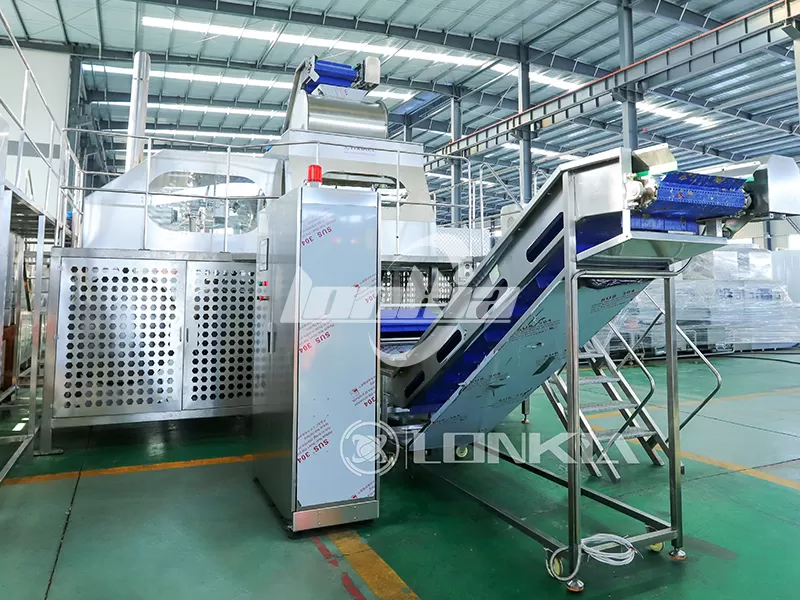
Steam Peeler Machine Components
The peach peeler primarily consists of:
- Steam Treatment Chamber: The core working area that withstands high-temperature, high-pressure steam, serving as the key component for achieving the bursting effect.
- Steam Control System: Precisely regulates steam pressure and duration to ensure consistent peeling across each batch of peaches.
- Conveying and Discharge Mechanism: Automatically transports peaches to the processing zone and outputs peeled produce.
- Safety Protection Devices: Includes pressure sensors, high-temperature valves, sealing mechanisms, etc., ensuring long-term stable operation.
The equipment is constructed from food-grade stainless steel, meeting industry hygiene standards for easy cleaning and maintenance.
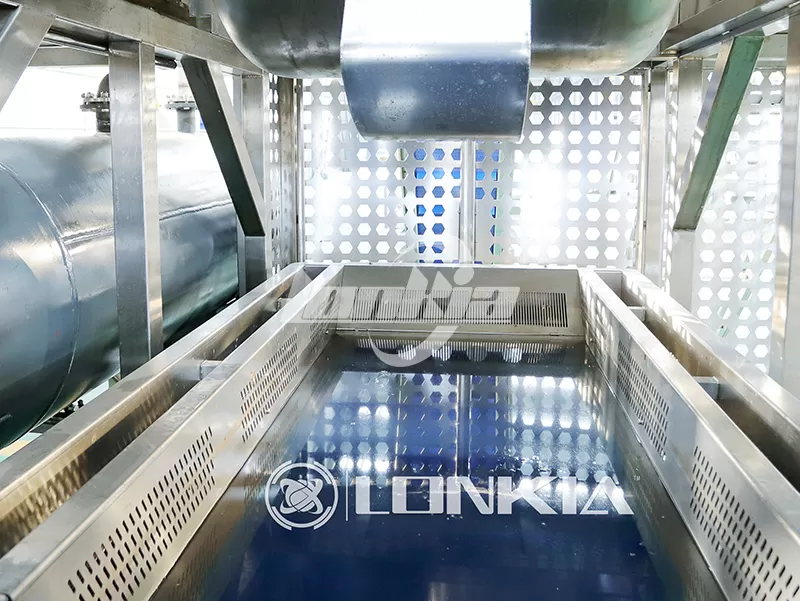
Peach Steam Peeling Operation Steps
How to peel peaches? The standard operating procedure for peach peeling using the steam peeler is as follows:
- Raw Material Pre-inspection and Cleaning: Remove damaged or unripe peaches. Perform surface cleaning to ensure no impurities remain before entering the equipment.
- Automatic Feeding: Washed peaches are automatically conveyed into the steam treatment chamber via a conveyor belt.
- Steam Blasting Treatment: Activate the steam system, adjusting pressure and duration based on peach size and ripeness to penetrate the skin fully.
- Instantaneous Pressure Release: Rapidly depressurize upon reaching set steam parameters, causing the skin to split and separate from the flesh.
- Post-Peeling Discharge: Peeled peaches automatically exit via the discharge port for subsequent processing.
Through the automated control system, this process operates continuously, enabling high-volume processing.
Significant Advantages of the Steam Peeling Machine
Compared to traditional peeling methods, the steam peeling machine offers the following distinct features:
- High Efficiency & Stable Output: Steam burst peeling achieves rapid peeling, ideal for large-scale production.
- Low Damage Rate: Non-contact steam treatment minimizes flesh damage, ensuring high yield rates.
- Adjustable Parameters: Steam pressure and duration can be customized for different peach varieties and ripeness levels.
- High Automation: Fully automated control from feeding to discharge minimizes manual intervention.
- Versatile Applicability: The peach peeler adapts to processing peaches of various sizes, making it suitable for fruit processing enterprises.
Summary
Overall, the steam peeling machine delivers an efficient, low-damage, automated peeling solution through its stable steam bursting process. For enterprises seeking standardized, high-capacity fruit processing workflows, this peach peeler significantly enhances production efficiency and product quality, making it an indispensable component of modern processing lines. Should you require further details on specific parameters or application case studies for steam peeling machines, please contact relevant equipment suppliers for technical support and tailored solutions.