In plantain chip processing, peeling may seem like just a preliminary step, but it directly affects subsequent washing, slicing, and frying. For processing companies looking to set up plantain chips processing machines, a key question is: Should they continue to rely on manual peeling, or should they use a steam peeling machine? Choosing the right peeling method not only affects the quality of the peeling but also determines whether the entire production line can operate stably and continuously.
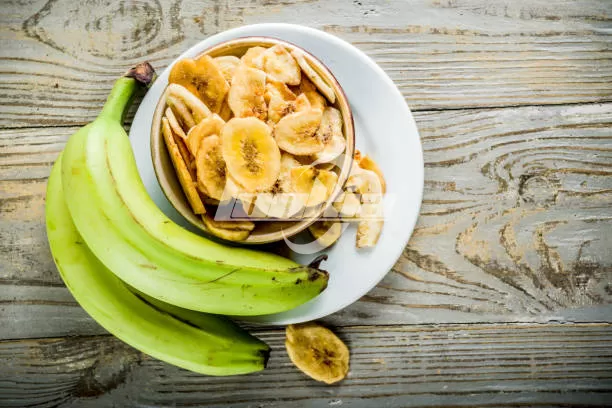
Why Is Plantain Peeling Important?
Plantain skins are relatively tough, and raw materials may vary in size, ripeness, and skin condition. Manual peeling requires processing each plantain individually, making it difficult to maintain a consistent peeling depth. Residual skin may affect subsequent slicing, while peeling too deeply can result in unnecessary loss of flesh.
Therefore, commercial plantain chip production must prioritize peeling consistency, processing speed, and compatibility with downstream equipment. This is also a key reason why steam peeling technology is applied in plantain chips production lines.
Steam Peeling vs. Manual Peeling
From the perspective of actual equipment application, there are three main differences between the two methods.
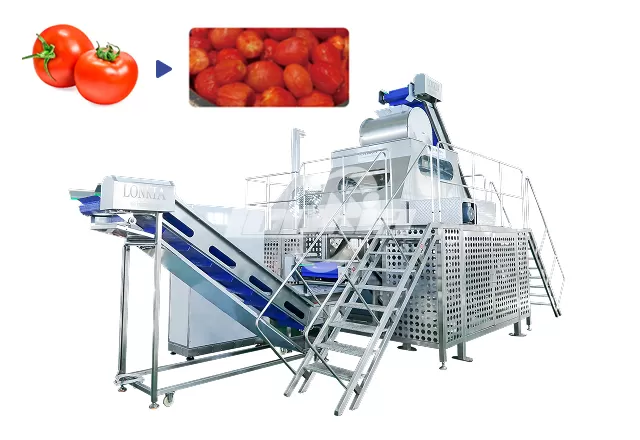
- Peeling Consistency: Manual peeling is highly dependent on operator technique, whereas steam peeling, combined with mechanical processing, transforms the peeling process into a continuous, controllable equipment-based operation.
- Production Line Integration: Manual peeling requires batch processing to be completed before moving to the next stage, whereas a steam peeling machine can be connected to equipment such as brush peelers, washers, and conveyors to enable continuous processing.
- Impact on Slicing: Consistent peeling results minimize the impact of residual skin on the plantain chips slicer. After washing, the plantains enter the slicer, ensuring more consistent slices that meet specifications and paving the way for subsequent continuous frying.
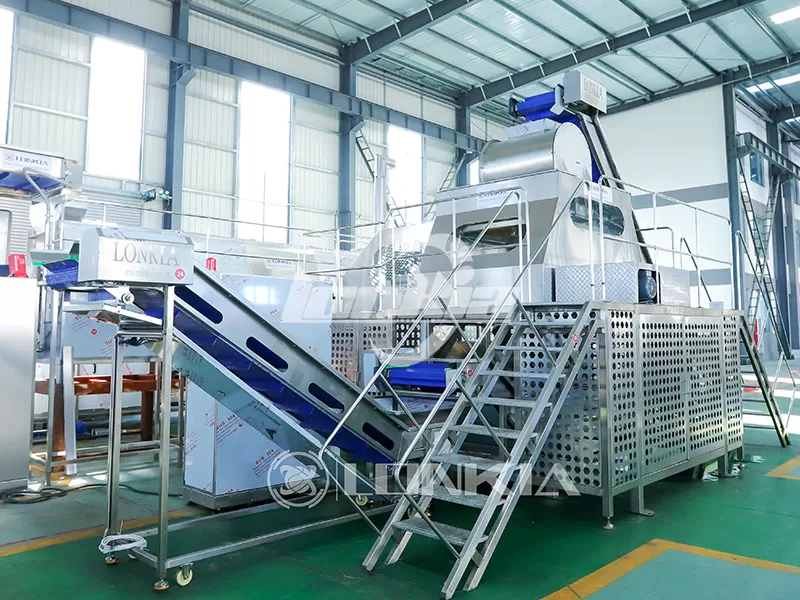
Which Peeling Method Is Better for Plantain Chips Production?
If only a small amount of raw material is being processed, manual peeling can handle the basic operations; however, if the goal is to procure a complete plantain chips processing machine processing system, it is recommended to consider the peeling equipment within the context of the entire production process rather than comparing labor costs in isolation.
A typical production process includes:
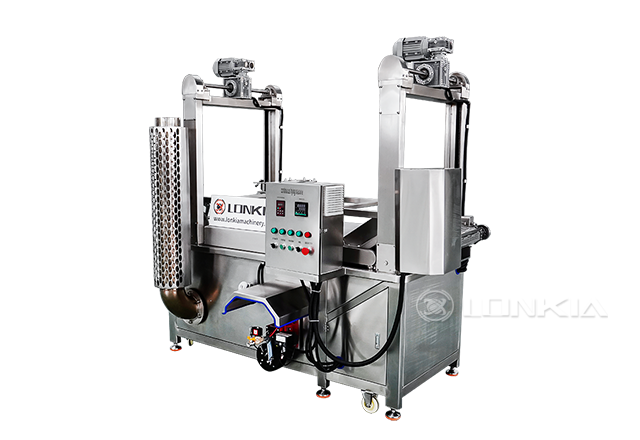
Steam Peeling → Brush Peeling → Washing → Slicing → Frying → De-oiling → Air Drying → Packaging
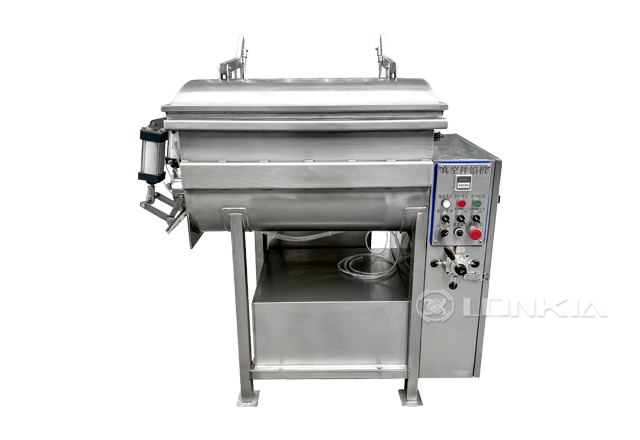
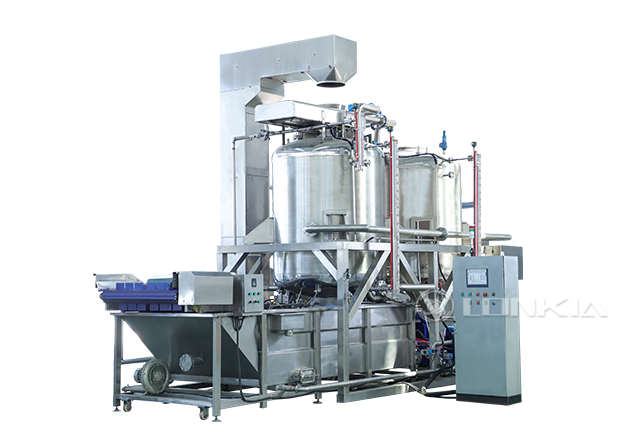
LONKIA's plantain chips production line is configured precisely according to this continuous process. Steam peeling handles the initial processing; brush peeling further removes residual peel; the washing machine removes impurities; the slicer controls product specifications; the continuous fryer completes the cooking process; and subsequent de-oiling and drying equipment improve the quality of the finished product. For products intended for export or long-term storage, quick-freezing and automatic packaging equipment can also be configured according to process requirements.
How to Choose the Right Plantain Peeling Machine?
When purchasing a steam peeling machine, do not base your decision solely on the equipment name or unit price. It is more important to confirm whether the equipment is suitable for your specific plantain raw materials and subsequent production processes.
We recommend providing the equipment supplier with the following information before requesting a quote:
- Plantain variety, size, and ripeness
- Raw material throughput or target production capacity
- Desired slice thickness
- Whether secondary peeling with a brush peeler is required
- Whether a continuous fryer will be integrated downstream
- Whether automatic packaging is required
- The factory's existing infrastructure, such as steam and electricity supply
LONKIA can match plantain processing equipment to the characteristics of the raw material and production requirements, and provide a complete production line configuration plan. For customers planning a plantain chips production line, properly matching each process step—starting with the initial peeling stage—will help establish a stable, continuous plantain chip processing workflow.