In industrial tomato processing, peeling effectiveness affects not only raw material utilization but also subsequent cutting, cooking, and packaging. For products such as diced tomatoes and canned tomatoes, peeled tomatoes must retain their original firmness and integrity as much as possible. Insufficient steam treatment can leave residual skin; improper processing conditions may soften or break the flesh, affecting the quality of subsequent processing.
Therefore, selecting the appropriate tomato peeler and properly adjusting steam pressure and processing time are key to balancing peeling efficiency with pulp quality.
How Does Steam Pressure Affect Tomato Peeling Results?
Tomato steam peeling machines primarily use high-temperature saturated steam to rapidly soften the skin, making it easier to separate the skin from the pulp. Steam pressure is a critical parameter influencing this process.
1. Insufficient steam pressure can lead to incomplete peeling
When steam pressure is insufficient, or the supply is unstable, the tomato skin may not soften sufficiently, leading to issues such as localized skin residue and uneven peeling. In such cases, operators should inspect the steam supply system, pipeline pressure, and equipment seals.
2. Properly Control Pressure to Avoid Overprocessing
The recommended steam pressure range for the LONKIA tomato peeler is 0.6–1.2 MPa. During actual operation, tests should be conducted based on tomato variety, ripeness, and skin characteristics to select pressure conditions suitable for the current batch of produce, rather than automatically using the maximum pressure.
How Does Peeling Time Affect Pulp Firmness?
In addition to steam pressure, processing time also affects the quality of tomato peeling.
1. Insufficient Processing Time
Insufficient contact time between the steam and the tomatoes may result in inadequate skin softening, increasing the workload for subsequent washing and manual inspection.
2. Excessive Processing Time
Tomatoes have a high water content and relatively soft tissue. Excessive heat treatment may further soften the flesh, affecting shape retention during cutting. Therefore, special attention should be paid to processing time for products that require dicing or must maintain an intact appearance.
The recommended processing time for the LONKIA tomato peeler is 3–10 seconds, which can be adjusted based on the actual raw material and peeling requirements. It is recommended to conduct multiple parameter tests to compare peeling integrity and pulp condition at different processing times.
How to Balance Peeling Efficiency and Pulp Integrity?
In actual production, steam peeling equipment performance should not be judged solely by peeling speed or peeling yield; it is also necessary to comprehensively evaluate the following aspects:
- Peeling Integrity: Check the tomato surface for any visible residual peel.
- Flesh Damage: Observe for any cracking, bruising, or noticeable softening.
- Raw Material Loss: Check whether excessive flesh is lost along with the peel during the peeling process.
- Subsequent Processing Results: For tomatoes intended for dicing, further inspect whether the pieces are uniform and prone to deformation.
In addition, tomato ripeness, size, and variety can also affect processing results. It is recommended to conduct tests using actual raw materials before formal production to determine the appropriate steam pressure and processing time.
Equipment Configuration and Selection for Tomato Steam Peeling Machines
When selecting an industrial tomato peeling machine, one must not only consider peeling parameters but also pay attention to the equipment's processing capacity and supporting conditions.
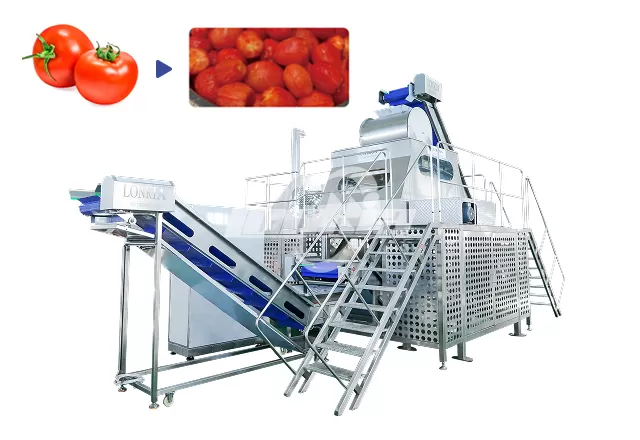
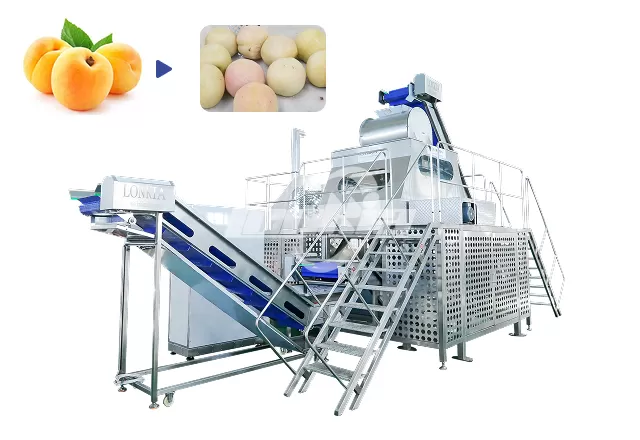
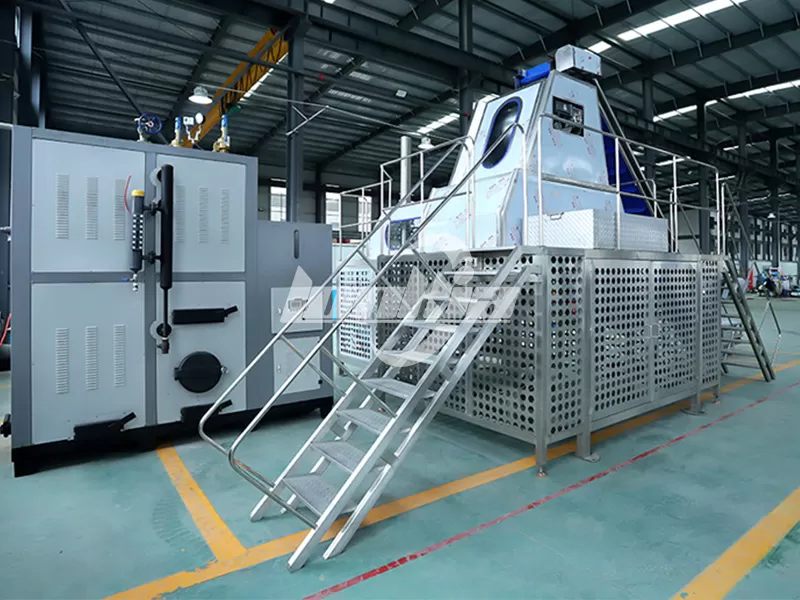
The LONKIA tomato steam peeler features a sealed steam chamber that rapidly processes tomatoes using high-temperature saturated steam. Steam is then quickly vented, and the resulting temperature difference, combined with mechanical vibration, helps separate the skin from the flesh. The equipment has a processing capacity of 500–5,000 kg/h; parts in contact with the product are made of SUS304 stainless steel, and an external steam boiler is required.
For tomato dice and canned tomato production lines, it is also necessary to ensure that the peeling machine's capacity aligns with that of downstream cutting, cooking, and canning equipment to prevent bottlenecks between processes.
What Should Be Confirmed Before Purchasing a Tomato Peeling Machine?
Before purchasing a tomato peeler, it is recommended to provide the equipment supplier with information on the tomato variety, ripeness, hourly processing capacity, and final product requirements, and to specifically confirm the following:
- Can the equipment meet the actual processing capacity?
- Are the steam pressure and processing time adjustable?
- Can the required firmness and integrity of the pulp be maintained after peeling?
- Can the supplier conduct tests using tomato samples provided by the customer?
- Can the supplier provide technical specifications, operating data, and a comprehensive solution for the equipment?
Selecting the right tomato peeler hinges on ensuring that the peeling results align with the quality requirements of subsequent products. LONKIA can provide tailored configuration recommendations for steam peeling equipment based on raw material characteristics and production needs, helping tomato processing companies optimize the peeling process and ensure a stable supply of raw materials for downstream processing.