When purchasing tomatoes processing machine, the price is not determined solely by the quantity of equipment. Raw material processing capacity, washing methods, grading requirements, air-drying performance, and automation configurations all influence the design and cost of the entire tomato processing plant. For companies planning to build a tomato washing, grading, and drying production line, understanding these factors that affect pricing will help them plan their budget reasonably and select an equipment solution that truly meets their production needs.
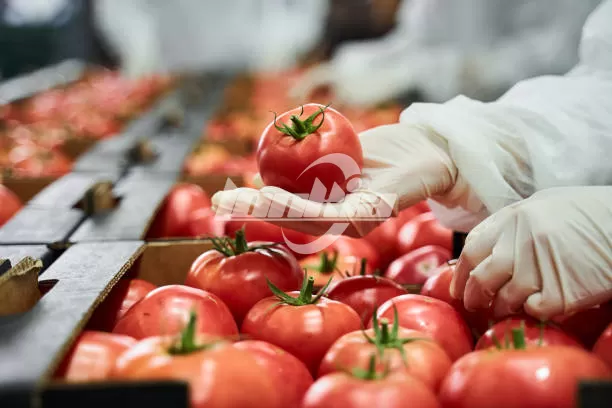
Tomato Processing Line Configuration Affects its Price
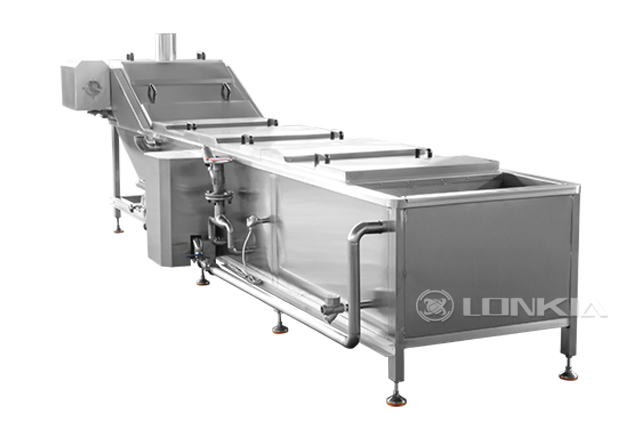
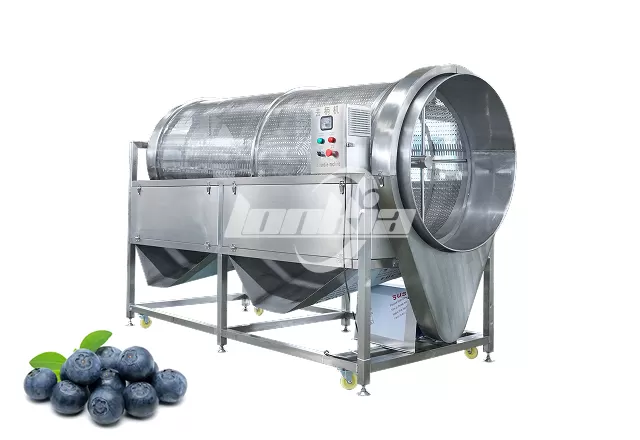
A tomato washing production line typically includes a soaking and lifting unit, a bubble washer, conveyors, polishing equipment, and an air dryer. If sorting by tomato size is required, a grading machine can also be added.
Different configurations correspond to different numbers of equipment units, conveying structures, and control requirements. For example, a project requiring only washing and air drying will differ in equipment composition and overall cost from a production line that needs to continuously perform washing, polishing, air drying, and automatic grading.
Therefore, when requesting a quote, you should first clarify the required processes and then compare the configuration lists from different suppliers.
Which Technical Parameters Affect Equipment Costs?
1. Processing Capacity and Equipment Size
Processing capacity is a key factor affecting the tomato processing plant quote. LONKIA's tomato washing lines have a reference processing capacity of 500–3,000 kg per hour, and specific configurations can be customized based on project requirements.
As target production capacity changes, the size of the washing tanks, conveyor speed, length of the air-drying section, and related drive configurations may all need to be adjusted. When selecting complete lines for tomato processing, consider daily processing volume, operating hours, and the processing capacity of subsequent stages to avoid material backlogs or underutilization of equipment caused by mismatched production capacity.
2. Grading Methods and Specifications
If tomatoes need to be graded by size, it is necessary to further specify the grading range, the number of grades, and the requirements for each discharge outlet. Differences in grading structure, adjustment methods, and equipment processing capacity will also affect the overall line configuration.
Before purchasing, you should inform the supplier of the actual size range of the tomatoes and the target grading standards to determine a suitable grading solution, rather than simply comparing the prices of grading machines.
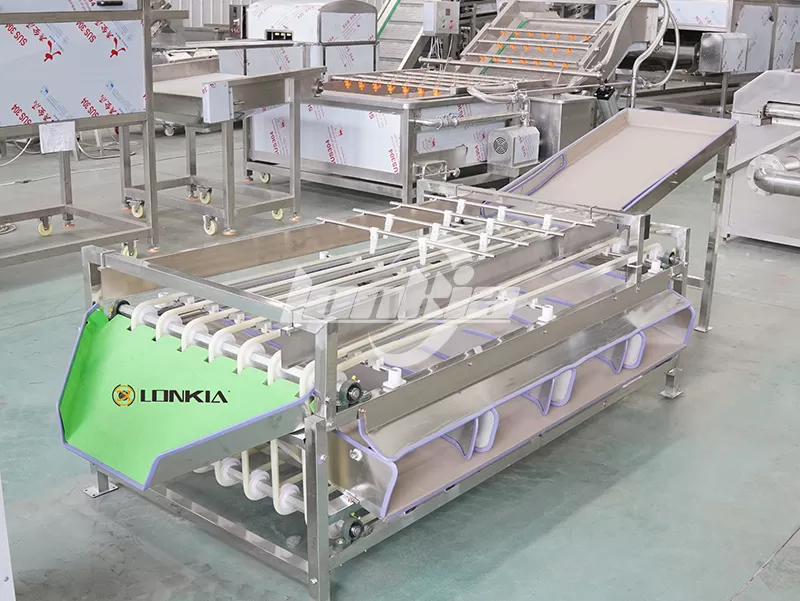
3. Materials and Automation Configuration
Equipment materials, control systems, and customization requirements also affect the quote. Tomato processing plant typically uses stainless steel structures suitable for food-contact surfaces. The LONKIA tomato washing line can be constructed from food-grade 304 stainless steel and equipped with a PLC automatic control system.
If the project requires special conveyor structures, additional control functions, or a customized layout, these should be clearly specified during the quotation phase to ensure accurate calculation of equipment costs.
How to Compare Quotes from Different Suppliers?
1. Confirm the Scope of Supply
When comparing quotes, check item by item to verify whether the washer, air dryer, grader, conveyor equipment, and electrical control system are included. You should also confirm the equipment dimensions, power rating, processing capacity, and supporting facilities to avoid misjudging prices due to differences in configuration.
2. Understand Installation and After-Sales Service
In addition to the price of the equipment itself, confirm the details regarding packaging and shipping, installation guidance, commissioning support, operator training, spare parts supply, and warranty coverage. A comprehensive service plan helps reduce uncertainties during subsequent installation coordination and equipment maintenance.
How to Obtain an Accurate Quote for a Tomato Processing Line?
To obtain a solution that better meets your actual needs, we recommend preparing the following information before purchasing:
- Target Production Capacity: How many kilograms of tomatoes need to be processed per hour.
- Processing Requirements: Whether washing, polishing, air-drying, and grading are required.
- Grading Standards: Tomato size range, number of grades, and output requirements.
- On-site Conditions: Plant dimensions, voltage, frequency, and water supply and drainage conditions.
- Scope of Purchase: Whether a complete line is required or only partial equipment.
LONKIA can provide configuration recommendations for tomato processing lines based on the customer's production capacity, process requirements, and on-site conditions. The more complete the information provided, the easier it is to develop an accurate and clear equipment proposal and quotation.
Conclusion
The tomato processing plant price depends on the actual configuration, processing capacity, grading requirements, and level of automation. Rather than simply seeking the lowest quote, it is better to first clarify production objectives and then compare equipment specifications, scope of supply, and after-sales service item by item. A reasonable equipment configuration can help enterprises improve production efficiency and provide appropriate flexibility for future business development.