In industries such as food processing, central kitchens, and cold-chain logistics, basket washing machines have become essential equipment for ensuring cleaning efficiency and production continuity. Compared to manual cleaning, automated basket washing machines are not only more efficient but also guarantee consistent and reliable cleaning results. However, many customers encounter a key question when purchasing: why is there such a wide variation in basket washing machine prices?
This article will break down the key factors affecting pricing to help you make a more informed purchasing decision.
Basic Components and Working Principle of Basket Washing Machines
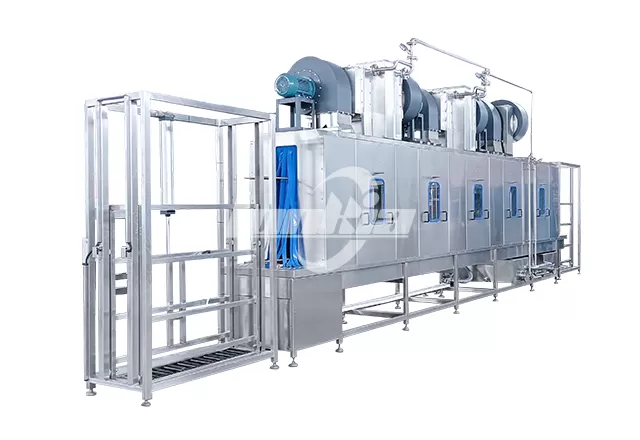
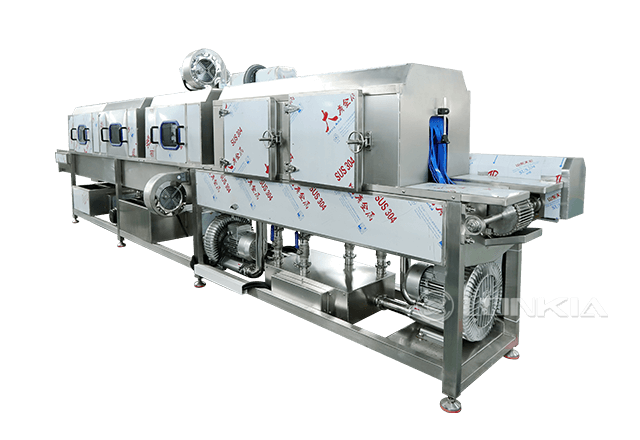
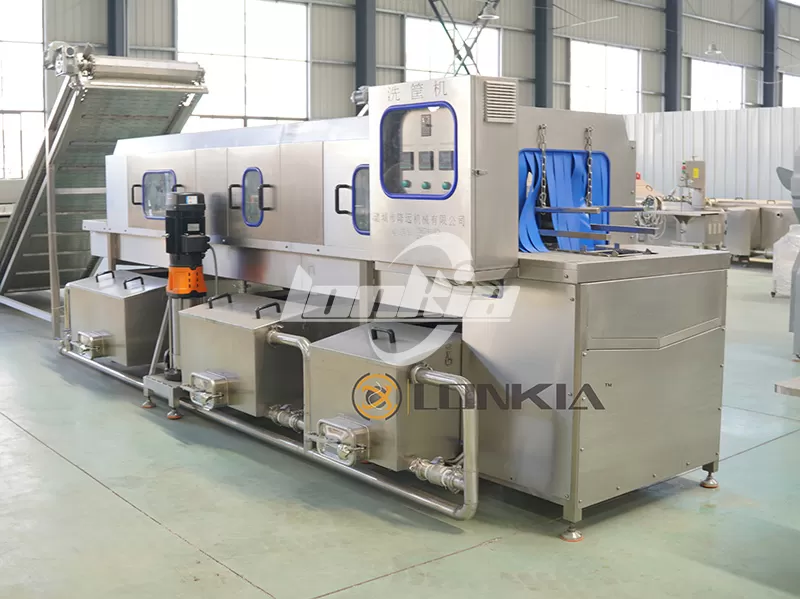
A basket washer machine is essentially an automated cleaning system that uses a conveyor to feed reusable baskets into the machine, sequentially completing processes such as pre-washing, high-pressure spraying, rinsing, and even drying.
A basket washing machine typically includes:
- Conveyor system (chain/mesh belt)
- High-pressure spray system
- Water circulation and filtration system
- Heating system (optional)
- Air-drying or drying module
This multi-stage structure efficiently removes contaminants such as grease and residue, ensuring consistent cleaning standards.
Core Factors Affecting Basket Washing Machine Prices
1. Capacity and Structural Design
Processing capacity is the primary factor influencing basket washing machine price.
- Continuous tunnel-type equipment: Suitable for assembly lines, with higher prices
- Batch-type equipment: simpler structure, lower cost
For example, industrial equipment can process hundreds to thousands of baskets per hour; as capacity increases, so do configuration and price.
👉 Recommendation: Select based on actual production line cycle times to avoid over- or under-specifying.
2. Materials and Manufacturing Processes
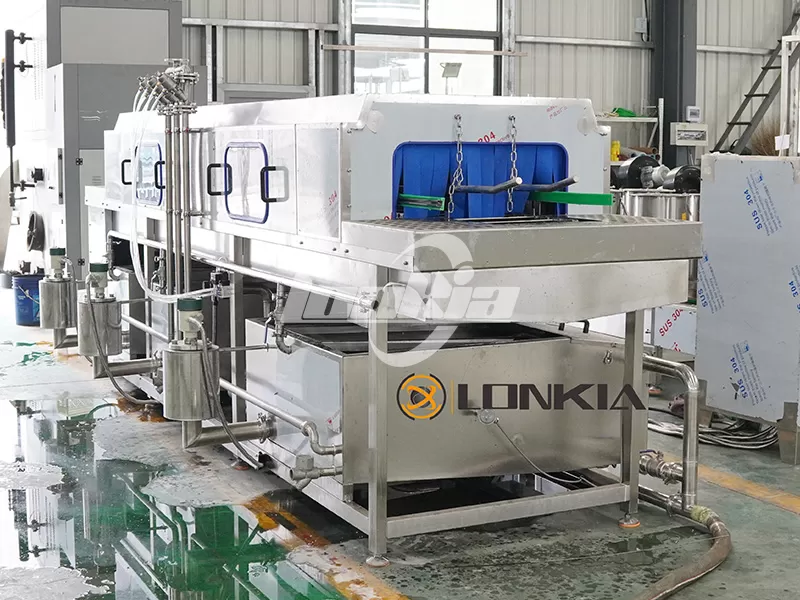
High-quality basket washers typically use 304 stainless steel, which offers corrosion resistance and ease of cleaning.
- Premium equipment also features:
- Seamless welded construction
- Smooth interior surfaces
- Food-grade manufacturing standards
These details directly impact equipment lifespan and hygiene standards, and are also key factors in price variations.
3. Cleaning System Configuration
The spray system determines cleaning effectiveness and is a key factor in price differences:
- Number and layout of nozzles
- Water pressure control capabilities
- Multi-stage cleaning (pre-wash + main wash + rinse)
High-end equipment typically features multi-angle spraying for more thorough cleaning.
4. Water Circulation and Filtration Systems
Modern basket washers are typically equipped with water circulation systems that filter and reuse water, improving efficiency and reducing operating costs.
The more complex the configuration (multi-stage filtration, automatic sludge discharge), the higher the equipment price.
5. Heating and Drying Systems
Different heating methods significantly impact basket washing machine price:
- Electric heating
- Steam heating
- No heating (basic model)
Additionally, the inclusion of air-drying or hot-air drying modules increases costs but significantly improves throughput efficiency.
6. Automation and Customization Level
Higher automation levels result in higher prices, such as:
- Automatic loading and unloading
- PLC control systems
- Speed adjustment and parameter settings
Furthermore, customized equipment (dimensions, processes, functions) is typically more expensive than standard models but better meets actual production needs.
Why Are There Significant Price Differences Among Manufacturers?
Many customers notice that even for the same basket washing machine, quotes from different manufacturers vary significantly. The main reasons include:
- Differences in material thickness and quality
- Differences in core components (pumps, motors, control systems)
- Whether custom design is provided
- Equipment stability and service life
Manufacturers like Lonkia place greater emphasis on equipment structural design and long-term operational stability. While ensuring cleaning effectiveness, they also prioritize practicality and reliability, making their equipment more suitable for long-term production use.
How to Choose the Right Basket Washer?
We recommend evaluating the following factors rather than focusing solely on basket washing machine price:
- Whether it meets production capacity requirements
- Whether cleaning performance is consistent
- Whether it supports continuous production
- Whether maintenance is convenient
A lower price does not necessarily mean cost savings; finding the right fit is key.
Summary
The basket washing machine price is not a single figure but is determined by a combination of factors including production capacity, materials, configuration, automation level, and customization requirements.
For businesses, a suitable basket washing machine is not merely a cleaning device but a critical component in ensuring production efficiency and hygiene standards. When selecting equipment, it is advisable to start with actual needs and comprehensively evaluate performance and long-term value, rather than simply comparing initial prices.
If you are planning a cleaning equipment solution, clearly define your requirements first and then match them with the appropriate configuration to truly achieve a high return on investment.