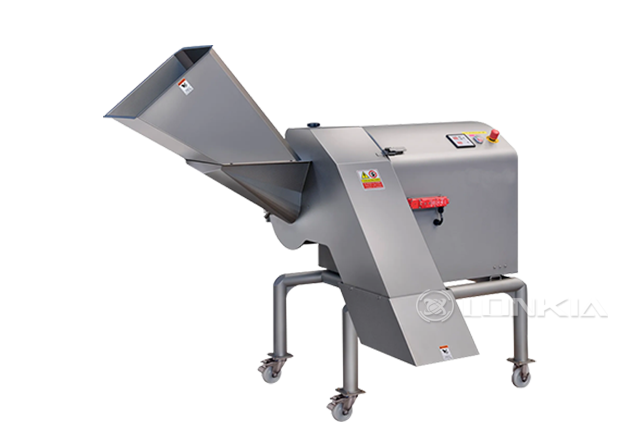
When orders for French fries increase and existing production capacity cannot meet demand, food processing companies typically face a decision: should they upgrade their existing French fries production line or purchase new equipment? Both options have their respective advantages and limitations; the key lies in identifying the equipment bottlenecks affecting production efficiency and comprehensively evaluating retrofit costs, equipment compatibility, and future production needs.
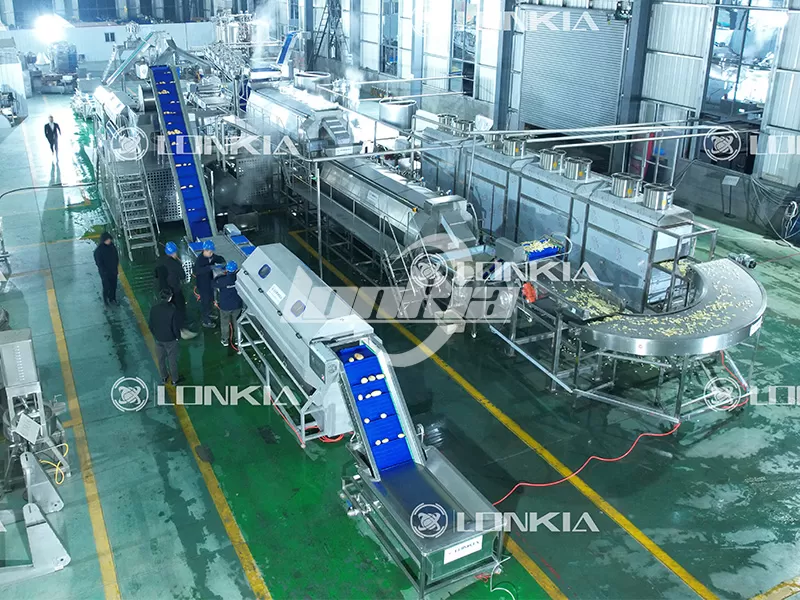
Upgrade the Existing French Fries Production Line or Purchase New Equipment?
1. Under What Circumstances Is It Appropriate to Upgrade Existing Equipment?
If the existing French fries production line is operating normally overall but only certain processes lack sufficient processing capacity, you should prioritize evaluating partial upgrades. For example, if the French fries cutter's output meets requirements but the French fries fryer's processing capacity is insufficient, you need to focus on inspecting the fryer's actual operating speed, heating capacity, and effective processing time.
Common upgrade approaches include replacing key equipment, adding conveyor systems, optimizing process sequencing, or adding processing equipment such as French fries fryers and seasoning machines. Before retrofitting, confirm the interfaces, installation space, and electrical conditions of the existing equipment to ensure the new equipment can be seamlessly integrated into the original production line.
2. Under What Circumstances is it more Appropriate to Purchase New Machinery?
If multiple production steps fail to meet the target output, or if existing equipment is outdated, prone to frequent malfunctions, or no longer meets product specifications, upgrading a single piece of equipment may not resolve the issue.
In such cases, consider replacing multiple key pieces of equipment or redesigning the entire French fries processing plant. The decision to purchase new equipment should be based on target production capacity, product specifications, factory layout, and future expansion plans—rather than solely on the French fries production line price.
How to Determine Which Equipment Needs Upgrading?
1. Check the Actual Production Capacity of the Entire Line
French fry production typically involves processes such as potato washing, peeling, cutting into strips, blanching, dehydration, frying, seasoning, and packaging. Insufficient processing capacity in any single key process may limit the output of the French fries production line.
It is recommended to record each piece of equipment's actual hourly throughput, downtime, and material wait times, and to confirm whether capacity data is based on raw material weight or finished product weight.
2. Evaluate the Compatibility Between the Fryer and the Seasoning Machine
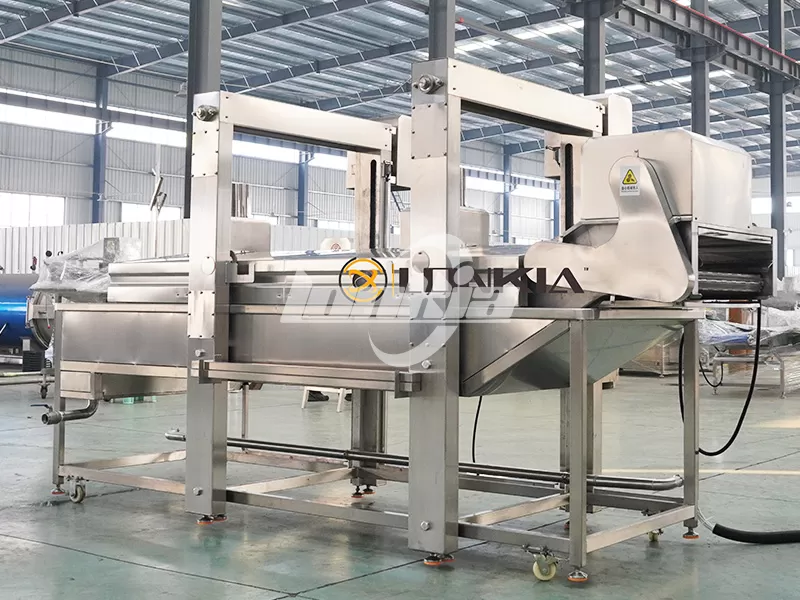
The continuous fryer must meet the target product's throughput, heating requirements, and frying time. If you plan to add a seasoning process, you should also verify the seasoning machine's effective processing capacity, material feed and discharge methods, and conveyor speed.
If the French fries fryer's output increases but the seasoning machine cannot process the subsequent products promptly, the new equipment may actually create a new bottleneck. Therefore, equipment upgrades should consider the overall coordination between preceding and subsequent processes.
How to Calculate the Actual Cost of Equipment Upgrades?
When evaluating options, do not merely compare quotes for new equipment with the cost of retrofitting old equipment; the following items must also be considered:
- Equipment Costs: New equipment, replacement parts, and necessary control systems.
- Installation Costs: Equipment positioning, conveyor connections, electrical modifications, and commissioning.
- Impact of Production Downtime: Production scheduling during the retrofit period and pressure to fulfill orders.
- Maintenance Costs: Wear-and-tear parts, routine maintenance, and future repair needs.
- Scaling Potential: Whether the current solution can accommodate future changes in output and product lines.
Only by comparing the total investment, expected output, and maintenance requirements of different options can one reasonably determine which solution is best suited for the factory.
What Preparations Are Needed Before Developing a French Fry Production Line Upgrade Plan?
To enable equipment suppliers to accurately assess the feasibility of the retrofit, it is recommended to prepare the following in advance:
- Layout diagrams of the existing French fries processing plant and key equipment specifications.
- Current actual output and target output.
- French fry dimensions, processing methods, and finished product requirements.
- Specifications of existing frying equipment, seasoning equipment, and conveyor systems.
- Available factory space, voltage, frequency, and heating conditions.
This information helps determine which equipment can remain in use, which processes require upgrades, and how to lay out new equipment.
LONKIA Assists in Planning French Fry Production Lines
LONKIA provides French fry processing equipment and customized production line solutions, evaluating suitable options based on customers' processing workflows, production capacity requirements, and equipment configurations. For companies with existing French fries production lines, we recommend analyzing current equipment and production bottlenecks before determining the scope of partial upgrades or new equipment additions.
Whether upgrading existing equipment or purchasing new machines, a sound plan should be based on actual production capacity, equipment compatibility, and overall production efficiency. Providing existing layout diagrams, equipment specifications, and target output can help suppliers more accurately evaluate feasible solutions and avoid unnecessary equipment investments.