If you plan to produce plantain chips or banana chips and aim for consistent quality and high efficiency from raw materials to finished products, then owning a professional continuous plantain fryer is essential. A quality continuous fryer ensures every plantain slice meets standards throughout slicing, frying, oil-draining, and cooling: consistent color, crisp texture, and optimal oil content. This is crucial for factory-scale production, quality control, and reducing labor and oil consumption.
Below, we guide you step-by-step through the entire plantain chips production process, detailing the journey from slicing to finished product.
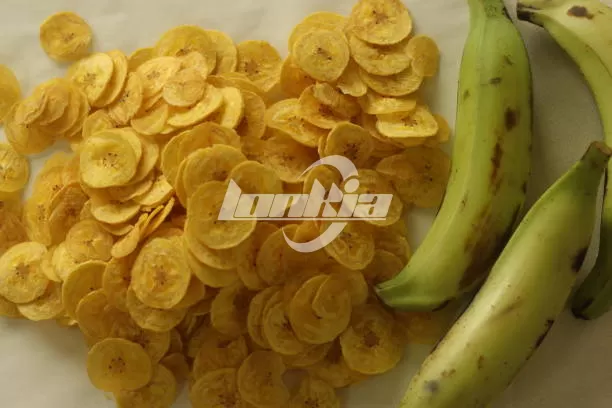
Plantain Chips Production Process: From Slicing to Finished Product
🍌 Raw Material -> Slicing -> Pre-treatment
The first step involves selecting, washing, and slicing the raw plantains or bananas. The thickness and uniformity of the slices directly impact the subsequent frying results.
After slicing, appropriate moisture control is typically required to reduce oil splatter and bubbles during frying, ensuring even cooking.
While this stage isn't part of the plantain fryer itself, it lays the foundation for the fryer's efficient and stable operation and influences the final chip quality.
🚚 Automatic Conveying into Fryer: Entering Continuous Frying Stage
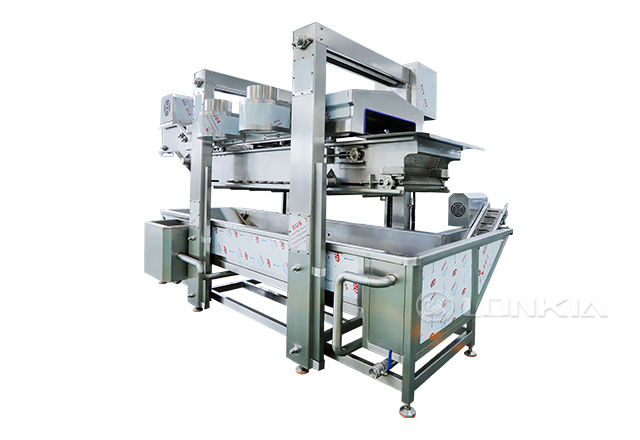
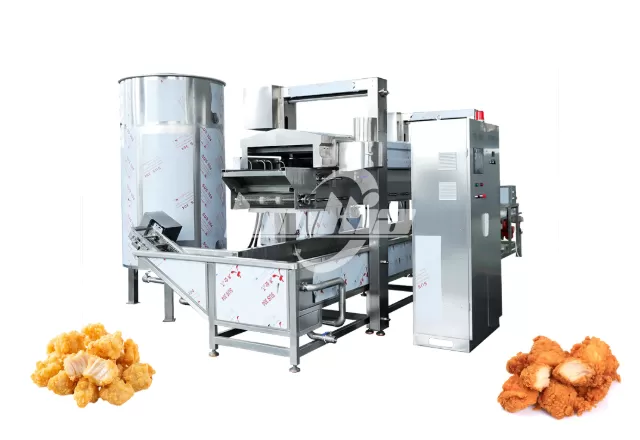
Plantain chips enter the plantain chips frying machine via a conveyor belt. Unlike traditional batch frying, the continuous fryer's conveyor design enables steady, uninterrupted feeding of slices into the oil bath, achieving assembly-line production. This automated process minimizes manual intervention while ensuring controllable and stable production rhythms.
For Lonkia's equipment, the design prioritizes uniform frying, ensuring consistent heating of each plantain slice within the oil.
🔥 Temperature Control and Timed Frying: Ensuring Crispness and Uniformity
The critical factors during frying are oil temperature control and frying time management. Continuous fryers typically feature electronic temperature control systems that automatically halt heating when oil temperature exceeds the set value and resume heating when it falls below. This maintains stable oil temperature, preventing fluctuations that could compromise frying results.
Time and conveyor belt speed (i.e., the duration chips remain in the oil) are also adjustable to accommodate plantain slices of varying thickness and moisture content. Proper temperature + time control enables the finished chips to achieve ideal crispness, color, and texture.
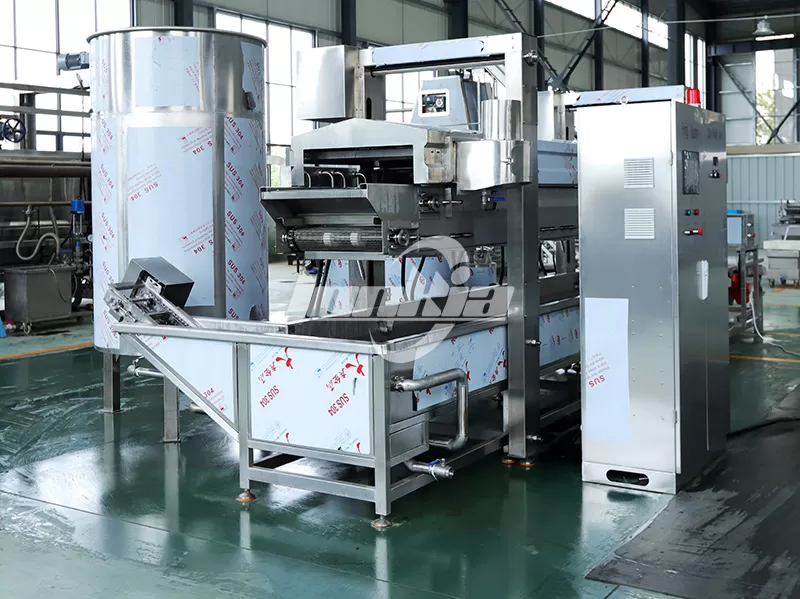
🌀 Oil Circulation & Residue Filtration: Extending Oil Life, Ensuring Food Quality
High-quality plantain fryers are typically designed with oil filtration or circulation systems that continuously remove residue during frying, reducing oil degradation. This not only extends cooking oil lifespan but also lowers oil consumption/replacement frequency, thereby reducing operating costs.
Filtering + circulation also maintains consistency and cleanliness of fried products, minimizing off-flavors or quality issues caused by oil degradation.
🧊 Discharge & Cooling + Post-Processing
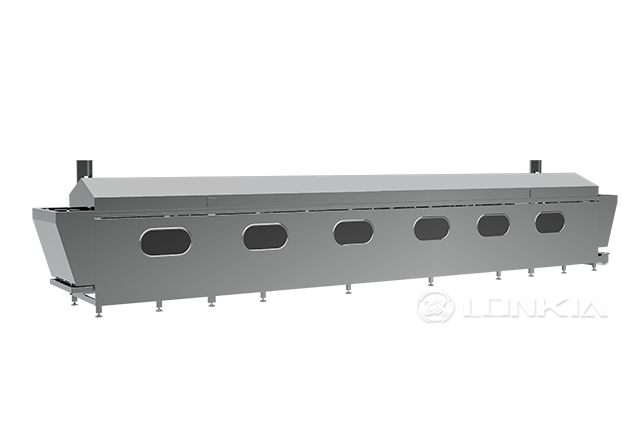
After frying, plantain chips are automatically discharged via conveyor belts. Some plantain fryer models integrate oil-drainage and cooling systems, rapidly cooling freshly fried chips to lock in crispiness and reduce greasiness. According to Lonkia, their equipment suits various foods, including potato chips, vegetable crisps, and nuts.
Products then proceed to the packaging or seasoning stages. Automated production lines enable higher output, consistent quality, and reduced manual intervention.
🏭 Ready to Launch Your Plantain Chips Business?
Understanding the complete operational principles of a plantain fryer is crucial for selecting, operating, and maintaining the equipment. The right machinery will guide you from plantain slicing through automated conveying, temperature-controlled frying, oil circulation and filtration, to discharge and cooling—ultimately delivering high-quality, crispy, and uniform plantain chips. Using the Lonkia plantain chips deep fryer significantly boosts production efficiency, stabilizes product quality, and reduces operational costs. If you're considering entering the plantain chip or other fried snack market, this automated fryer should be your core equipment choice.
Feel free to contact us for detailed recommendations and quotes based on your production volume requirements, raw material types, budget, and factory conditions.