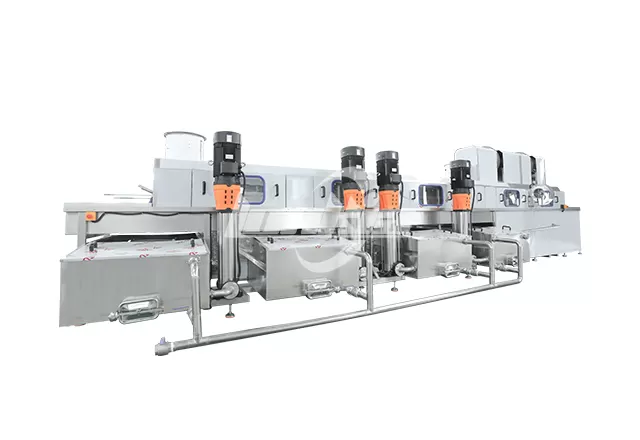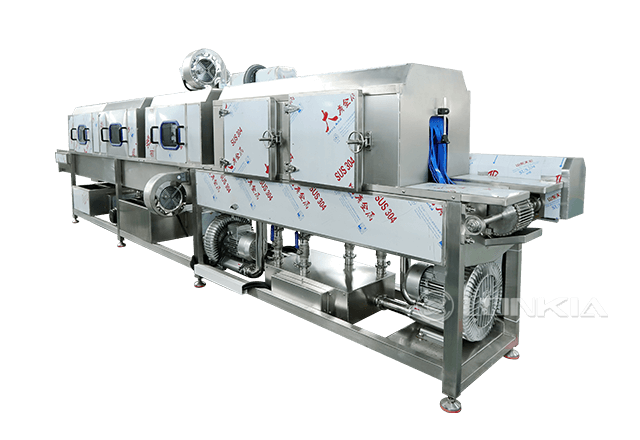
In food, beverage, and liquid production, bucket washers enhance sanitation while reducing labor and utility costs. However, neglecting routine maintenance can lead to nozzle clogs, pump damage, tank contamination, or stainless steel corrosion—compromising cleaning efficacy and equipment lifespan. This guide offers practical maintenance and cleaning tips to maximize your investment return.
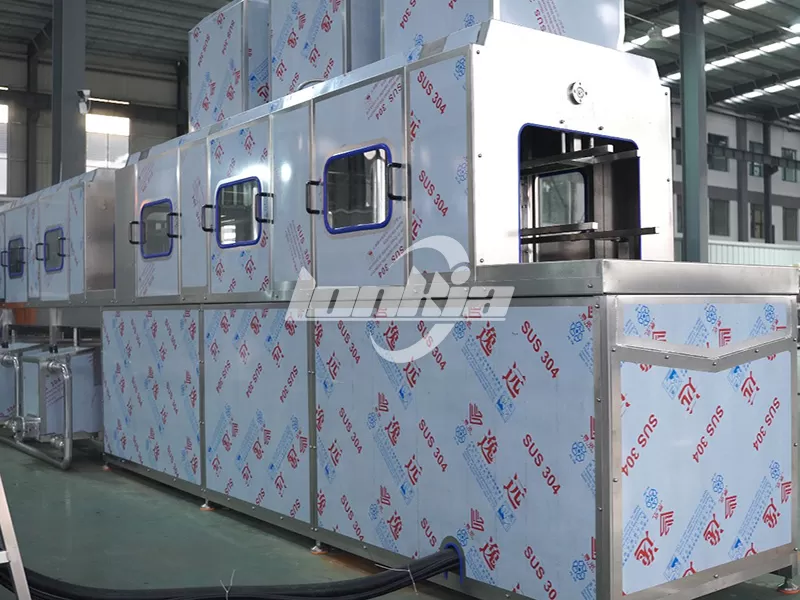
🔧 Regularly Inspect the Spray System — Ensure Cleaning Quality
- Weekly inspection of nozzles and spray lines: Nozzles are among the most critical components of a bucket washer, responsible for evenly distributing cleaning solution inside barrels. If spray holes become clogged with scale, deposits, or residue, cleaning effectiveness is significantly reduced.
- Periodically disassemble nozzles for deep cleaning: Use a soft brush or specialized cleaner to thoroughly clean nozzles and spray holes, ensuring spray angles and pressure return to factory specifications.
- Keep spare nozzles or nozzle assemblies on hand: For high-frequency use or large-volume washing facilities, include nozzles in vehicle spare parts for quick replacement, preventing production line downtime.
Regular maintenance of the spray system ensures consistent, reliable, and hygienic cleaning standards every time.
🫧 Water Tanks, Pumps, and Filtration Systems — Cleaning & Maintenance Must Not Be Overlooked
- Regularly drain and clean water tanks: Thoroughly empty tanks daily/after each shift to remove residual water and clear sediment from the tank bottom, preventing bacterial growth and water contamination.
- Inspect pumps, seals, and piping: Regularly listen for abnormal pump operation sounds, check for leaks, seal deterioration, or unusual vibrations. Replace components promptly if issues are detected.
- Maintain cleanliness of recirculating water systems and filters: If the bucket washer machine features a recirculating water system or water filtration system, regularly clean the filters to prevent clogging by impurities. This prevents reduced spray effectiveness and accelerated equipment wear.
🧽 Stainless Steel Body and Structural Cleaning — Corrosion Prevention and Lifespan Extension
Although Lonkia bucket washers use food-grade stainless steel, take these measures to prevent corrosion or surface damage from chemical cleaners, hot water, or humid environments:
- Wipe the body with mild food-grade detergent and a soft cloth. Avoid using steel wool or sharp tools to scrape stainless steel surfaces.
- Regularly rinse and dry components frequently exposed to hot water, cleaning solutions, or steam to prevent water spots or rust.
- Apply rust-proof protection to components frequently exposed to water, such as drain outlets and connection interfaces, to delay corrosion.
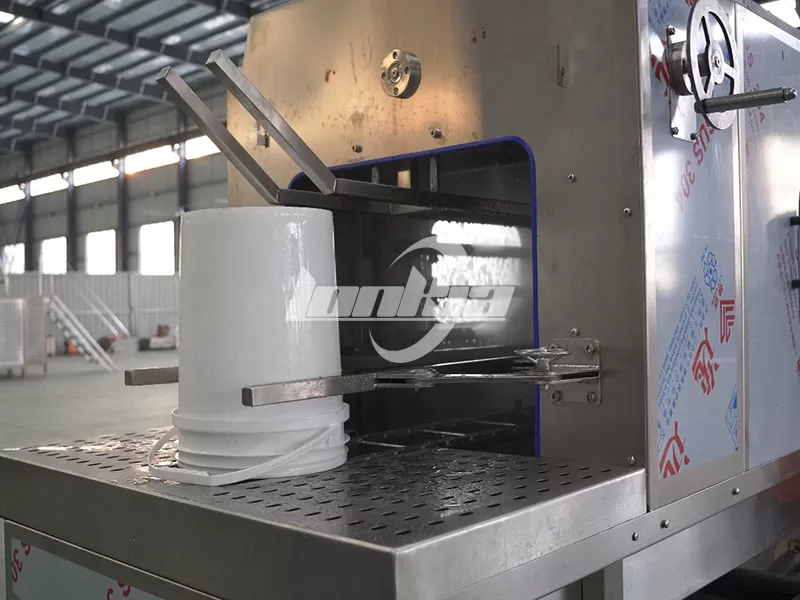
⚙️ Control Systems, Safety Devices, and Electrical Components — Ensuring Stable Operation
Automated bucket washers typically include control systems, pumps, electric/water heating systems, sensors, door safety interlocks, and emergency stop buttons. Proper maintenance of these systems is critical for equipment safety and operational stability. Recommendations:
- Regularly inspect power cords, terminal blocks, switches, and control panels to prevent short circuits, open circuits, or poor connections caused by moisture or corrosion.
- Review cleaning program parameters (e.g., water pressure, temperature, spray duration, recirculation frequency): Settings may drift from initial values after prolonged use. Periodic verification ensures consistent cleaning quality.
📝 Establish a Routine Maintenance and Cleaning Schedule — Reduce Failures, Extend Equipment Lifespan
We recommend establishing a standardized maintenance plan for your facility, including:
- Daily/post-shift tank drainage and exterior wiping
- Weekly nozzle and filtration system inspection/cleaning
- Monthly pump and electrical control system checks
- Quarterly comprehensive maintenance and lubrication
- List of replaceable parts/consumables
- Maintenance log documentation
Systematic maintenance not only reduces downtime but also extends bucket washing machine lifespan, improves cleaning consistency and hygiene standards, and lowers overall operational costs.
✅ Summary
For food, beverage, or liquid processing plants demanding stability, high efficiency, and stringent hygiene standards, purchasing a bucket washer is just the first step—regular, proper maintenance and cleaning ensure the equipment delivers maximum value.
If you're considering investing in a reliable bucket washing machine system, contact us for detailed specifications and customized solutions for Lonkia bucket washers. We'll provide the best bucket washing machine and services tailored to your production capacity needs and facility conditions.