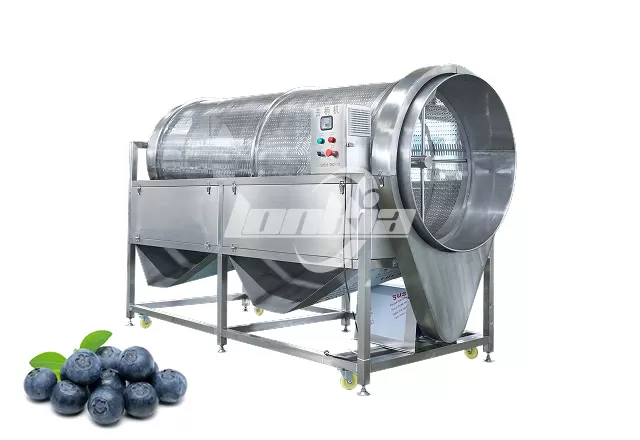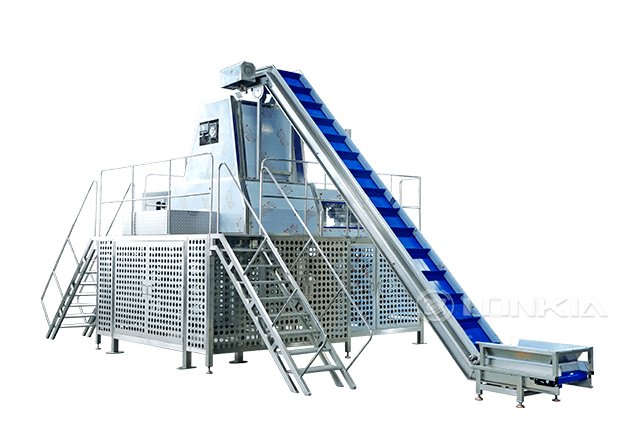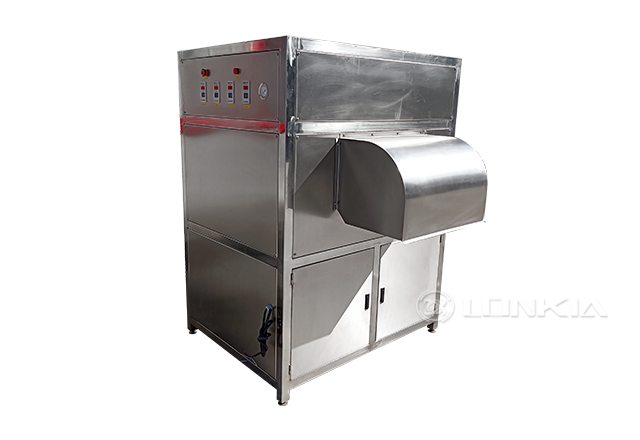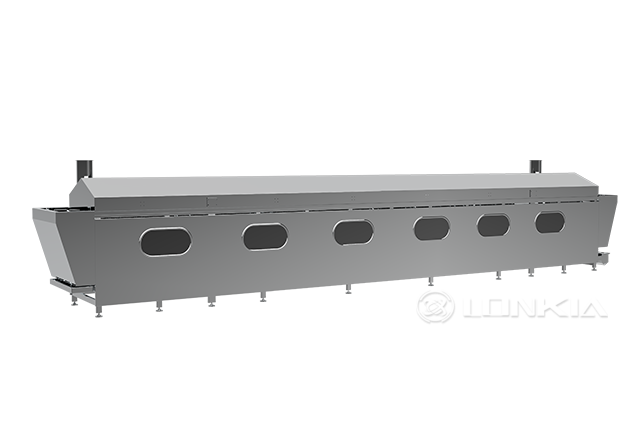
Root vegetables such as potatoes, carrots, and beets typically need to be peeled before processing. For products that will subsequently be diced, cooked, or vacuum-packed, the effectiveness of peeling not only affects raw material utilization but also impacts the stability of subsequent processing steps. Fruit and vegetable peelers use high-temperature steam to make the skin easier to separate from the flesh, making them suitable for a wide variety of root vegetables. Understanding their operating principles, process characteristics, and key considerations for equipment selection helps food processing companies determine whether this technology meets their production needs.
How Do Steam Peelers Remove the Root Vegetables' Skin?
1. High-temperature Steam Alters the Bond Between the Skin and the Flesh
Fruit and vegetable peelers feed washed raw materials into a sealed pressure vessel, where the vegetable surfaces are briefly treated with high-temperature steam. Heat transfer alters the skin and surrounding tissue, weakening the adhesion between the skin and the flesh and creating conditions for subsequent separation.
Unlike mechanical peeling methods that continuously abrade the surface of the raw material, steam peeling primarily alters the state of the skin through heat treatment before removing it. Therefore, the key to the process lies in matching the steam treatment conditions to the characteristics of the raw material.
2. Rapid Pressure Relief Facilitates Peeling
Once the set processing conditions are met, the steam peeling equipment rapidly relieves pressure, creating a pressure differential between the surface and the interior of the raw material, which helps the loosened skin detach. Residual skin can then be removed using a suitable skin-removal device or water rinsing.
This process does not guarantee that all raw materials will achieve optimal results within the same timeframe. Potatoes, carrots, and beets differ in skin structure, size, and moisture content, requiring adjustment of processing parameters based on the specific raw material.

Steam Peeling Requirements for Different Root and Stem Vegetables
Potatoes: Focus on Eye Spots, Indentations, and Flesh Loss
Potato surfaces feature eye spots and indentations, which are prone to localized skin residue after peeling. During equipment testing, inspect the thoroughness of peeling in these areas while also checking for excessive removal of flesh. For potatoes that will be cut into strips, sliced, or cooked afterward, the shape and surface condition after peeling must also meet the requirements of subsequent processing steps.
Carrots: Focus on Size Variations and Peeling Uniformity
Carrots are relatively slender and elongated; variations in diameter and curvature may affect the uniformity of heat treatment. Before purchasing, verify peeling effectiveness using actual raw materials and check for residual peel at the root, tip, and curved sections.
Beets: Focus on Skin Characteristics and Process Compatibility
The skin and raw material specifications of beets differ from those of potatoes and carrots. Processing companies should confirm whether the fruit and vegetable peeler can accommodate actual beet varieties, sizes, and skin conditions, and evaluate peeling integrity, raw material loss, and processing cycle time through trial runs.
What Parameters Should Be Prioritized When Selecting a Steam Peeler?
Production Capacity and Processing Cycle
The fruit and vegetable peeler's rated production capacity must be evaluated comprehensively, taking into account raw material variety, batch size, steam treatment time, unloading, and auxiliary processes. For multi-variety production, verify the actual processing capacity under different raw material conditions; do not rely solely on the rated data for a single raw material.
Steam Pressure, Consumption, and Equipment Configuration
Steam pressure and processing time directly affect peeling effectiveness and energy requirements. During procurement, confirm with the supplier the operating steam pressure, steam consumption, installed power, steam supply conditions, and equipment dimensions, and verify whether the factory's existing utility systems meet these requirements.
Peeling Effectiveness and Integration with Subsequent Processing
It is recommended to conduct tests with actual raw materials prior to purchase, recording residual peel, pulp loss, and processing time. If the peeled vegetables require further cutting, cooking, or vacuum packaging, further evaluation should be conducted to ensure that the raw material texture, surface condition, and discharge method are suitable for subsequent processes.
How to Determine if a Steam Peeler Is Suitable for Your Production Line?
The selection of a fruit and vegetable peeler should be based on raw material characteristics, target production capacity, and finished product requirements. For companies that process a variety of root and tuber vegetables, it is recommended to prepare representative raw material samples, define peeling quality standards, and compare test results from different processes under identical conditions.
Lonkia can assist in evaluating the configuration of steam peeling equipment based on the customer's raw material types, processing workflow, and production capacity requirements. By verifying actual peeling results, energy consumption, and integration with upstream and downstream equipment, companies can make more informed decisions when selecting a peeling solution suited to their production needs.