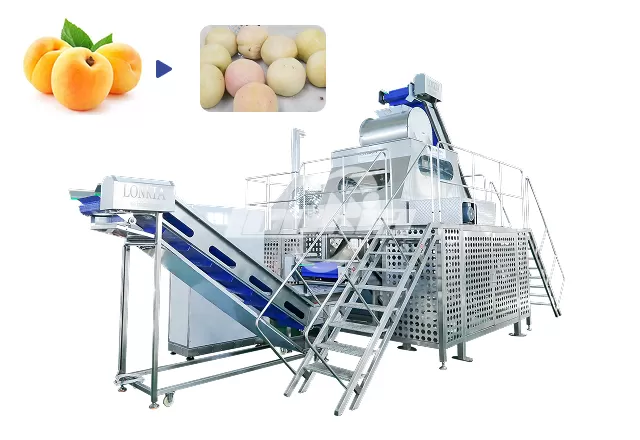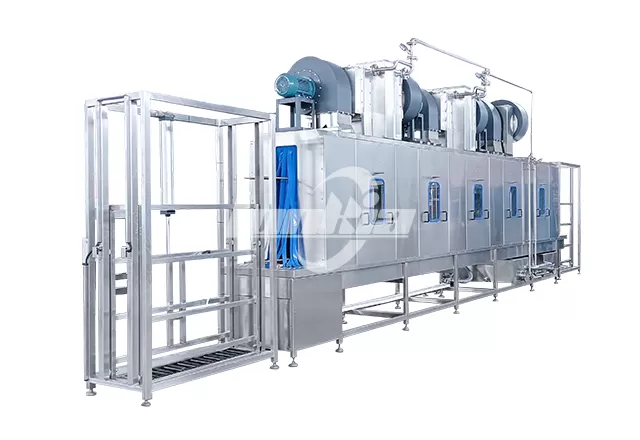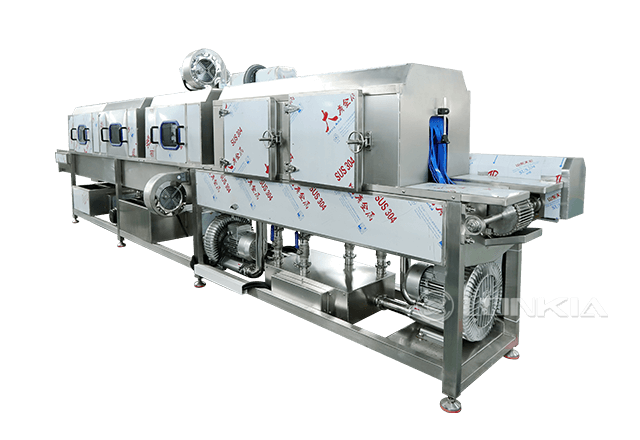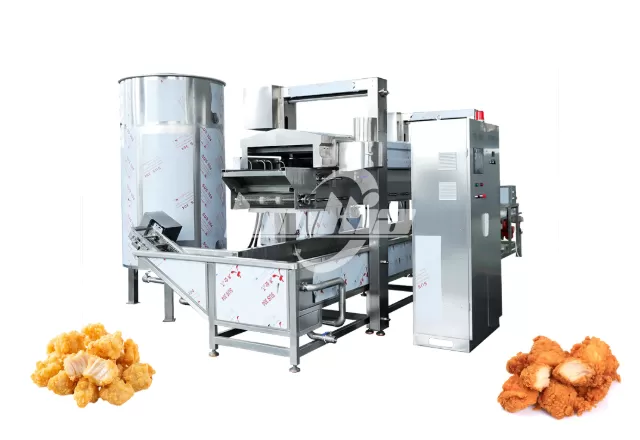
In fruit processing, washing not only affects the cleanliness of the raw material's surface but also impacts subsequent steps such as grading, cutting, juicing, or packaging. For fruits with high levels of soil, dust, and other surface impurities, relying solely on simple spraying often fails to achieve consistent cleaning results. Therefore, fruit washing machines typically combine soaking with bubble washing to ensure the fruit is thoroughly tumbled and cleaned in the tank.
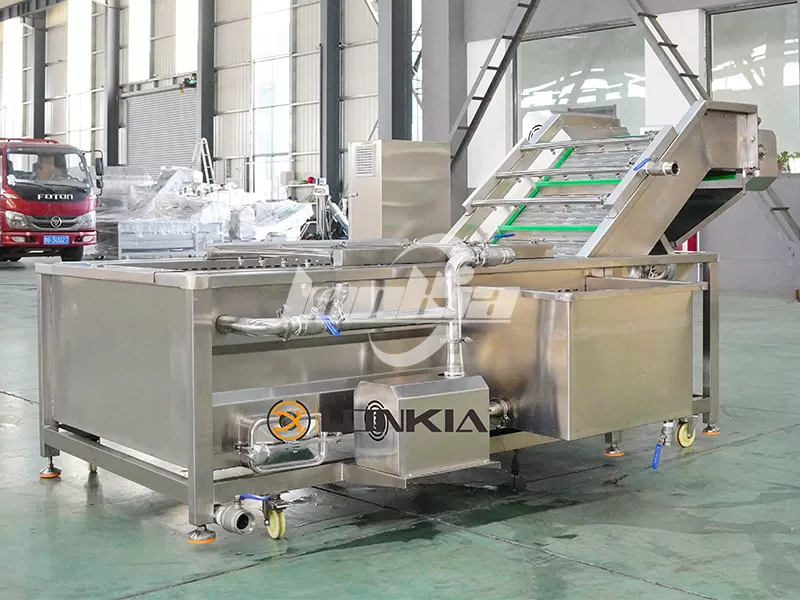
How Do Soaking and Bubble Washing Work Together?
The fruit washing machine continuously applies bubbles formed by water and air to the produce. Once the fruit enters the washing tank, it is constantly tumbled by the water flow and bubbles, causing soil, dust, and other surface impurities to gradually loosen and be carried away by the water flow.
Soaking softens the dirt adhering to the fruit's surface, while the agitation caused by the bubbles further increases contact between the fruit and the water. Compared to simple surface rinsing, this cleaning method is better suited for processing apples, red dates, carrots, potatoes, and other granular, leafy, and root vegetables.
How to Adjust Cleaning Intensity Based on the Fruit?
Different fruits vary in surface structure, ripeness, and degree of contamination, so cleaning parameters cannot be set uniformly. The fruit and vegetable washer supports adjustment of cleaning intensity and duration, allowing operators to tailor operating parameters to the condition of the produce.
For produce with heavy surface soil buildup, the cleaning duration can be appropriately increased; for softer fruits, cleaning intensity should be controlled to minimize unnecessary impact. This adjustable design helps customers strike a more appropriate balance between cleanliness and fruit integrity.
Continuous Conveyance Facilitates Integration into Production Lines
After washing, the fruit is continuously conveyed to the outlet via a SUS304 stainless steel mesh belt. The belt operates smoothly and integrates easily with other fruit and vegetable processing equipment, allowing the fruit and vegetable washer to function not only as a standalone unit but also as the front-end process in a fruit processing line.
Lonkia offers various mesh belt widths and conveyor speed configurations, with the conveyor speed adjustable within a range of 1–15 m/min. When purchasing a fruit washing machine, customers should determine the appropriate equipment specifications based on fruit type, feeding method, and target production capacity, rather than selecting solely based on the equipment's appearance or a single power parameter.
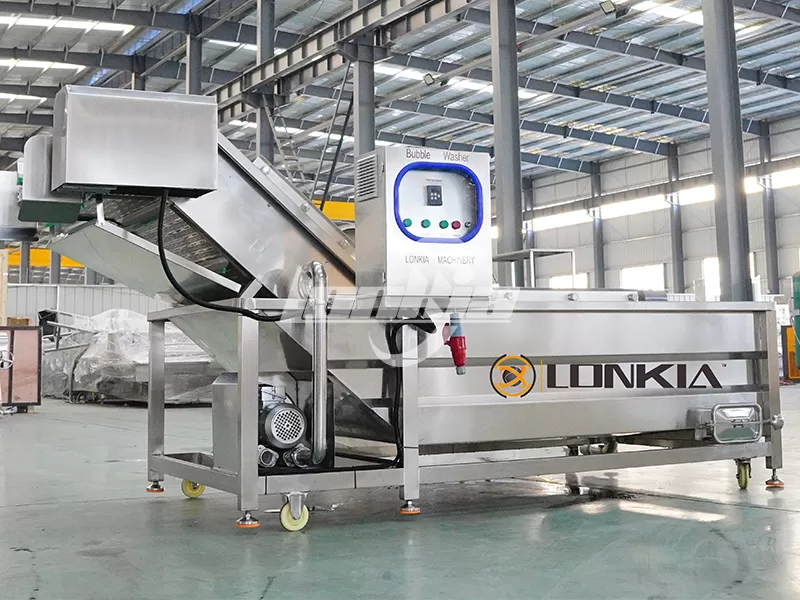
What Should You Consider When Selecting a Fruit Washing Machine?
If you are configuring fruit processing equipment, we recommend preparing the following information before requesting a quote: the types of fruit to be washed, the condition of the raw material, the expected processing volume, washing requirements, and the equipment to be connected downstream. This information will help equipment suppliers determine the appropriate conveyor belt width, conveying speed, and washing configuration.
For customers requiring continuous processing, selecting a fruit washing machine that delivers consistent cleaning performance, features adjustable parameters, and integrates seamlessly with downstream equipment can streamline the entire processing workflow and facilitate future equipment configuration and production line upgrades.