During garlic processing, the effectiveness of peeling directly affects the integrity of the garlic cloves, the efficiency of subsequent processing, and the quality of the finished product. When using a garlic peeler, some customers may notice that the peeling results and processing speed can vary when the same machine is used to process different batches of garlic. Among the factors to consider, the moisture content of the raw material is one of the key considerations.
For equipment that uses a pneumatic peeling mechanism, understanding the relationship between the condition of the garlic skin, air pressure, and peeling time can help reduce residual skin, minimize raw material waste, and maintain consistent production efficiency.
How Does Garlic Moisture Affect Peeling Performance?
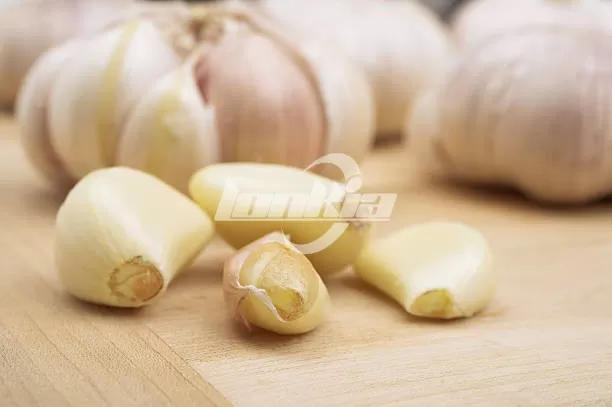
Why Does Excessive Moisture in Garlic Cloves Affect Peeling Performance?
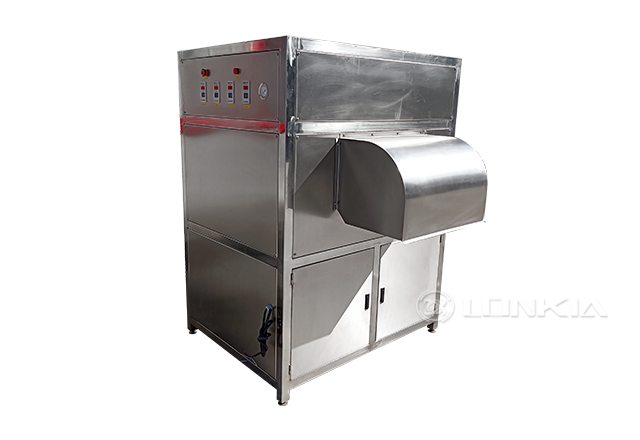
Pneumatic garlic peelers primarily use compressed air to separate the skin from the cloves, without relying on blades to directly cut the cloves. When the garlic surface is damp, or the skin has softened due to moisture, the skin may not separate, leading to increased residual skin, uneven peeling, or even the need for secondary processing.
In addition, moisture on the surface of the cloves may cause the skins to stick to the discharge area or other contact parts, making cleanup more difficult.
Should Excessively Dry Garlic Also Be a Concern?
Dry garlic skins do not necessarily mean that drier is better. The garlic variety, storage duration, and condition of the cloves all affect peeling performance. If the cloves themselves have lost moisture, are shriveled, or are damaged, even if the skins peel off easily, the final product may not meet quality standards.
Therefore, when determining whether raw materials are suitable for processing, one should assess the condition of the skins, the plumpness of the cloves, and their integrity—rather than relying solely on surface dryness.
How to Prepare Garlic Before Using a Garlic Peeler?
Check the Condition of the Raw Material
Before feeding the garlic into the commercial garlic peeler, check for surface moisture, abnormal softening, rot, or obvious mechanical damage. For garlic that has just been washed, first confirm that the surface moisture level meets the equipment's operating requirements.
Maintain Consistent Feeding Conditions
If there are significant differences among batches of garlic in terms of moisture content, size, and how firmly the skin adheres, it is recommended to test them in batches and record the peeling results for each batch. This will help determine whether the issue stems from variations in the raw material or from inappropriate equipment parameter settings.
Avoid Unverified Pretreatment
Not all garlic requires additional drying. For equipment using pneumatic dry peeling, conduct small-batch tests based on the condition of the raw material before deciding whether to adjust storage, air-drying, or other pretreatment steps.
How to Adjust Garlic Peeler Settings for Better Results?
Check Air Pressure and Peeling Time
When residual peel increases, it is not recommended to immediately raise the air pressure significantly. First, check whether the air supply is stable and the piping is unobstructed. Then, gradually adjust the air pressure and peeling time while observing the integrity of the garlic cloves and the amount of residual peel.
Determine Appropriate Parameters Through Practical Testing
It is recommended to adjust only one parameter at a time and use a similar quantity of raw material from the same batch for comparison. Recording the peeling rate, damage rate, and actual processing volume will help identify the optimal operating conditions for the current raw material.
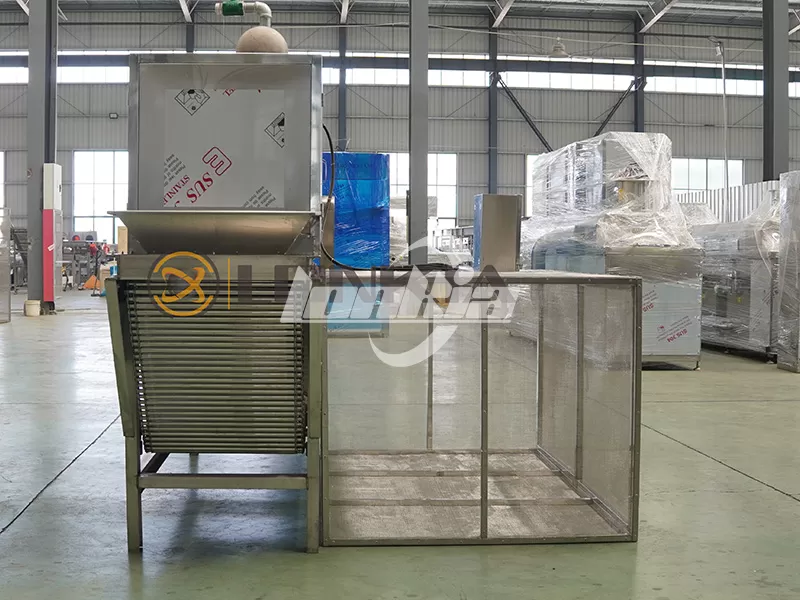
The Lonkia garlic peeler supports adjusting air pressure and peeling time based on clove size and processing requirements, helping users optimize peeling performance under different raw material conditions. Specific parameters should be based on the technical specifications of the corresponding model and the results of actual test runs.
How to Maintain Stable Garlic Peeling Performance?
In a complete garlic peeling processing line, stable peeling results depend not only on the raw material but also on equipment maintenance and operating practices. During daily production, regularly inspect the pneumatic system, filter components, and peel discharge channels; promptly remove any residual garlic skins; and ensure a stable air supply.
If the equipment consistently fails to peel thoroughly or experiences a drop in processing speed, troubleshoot by examining each factor—including the moisture content of the raw material, air pressure, peeling time, and feed uniformity—rather than immediately assuming the equipment lacks sufficient capacity.
Summary
The moisture content of garlic affects the performance of garlic peelers, but actual results are also influenced by factors such as garlic clove variety, the condition of the garlic skins, air pressure, and peeling time. By inspecting the raw material, maintaining consistent feeding conditions, and adjusting equipment parameters based on actual testing, you can more effectively control residual peel and damage to garlic cloves.
If you are selecting garlic peeling equipment, we recommend providing details on the raw material condition, target processing capacity, and finished product requirements in advance. Lonkia can assist in confirming the appropriate equipment configuration based on your actual processing needs, helping you establish a more stable peeling process.