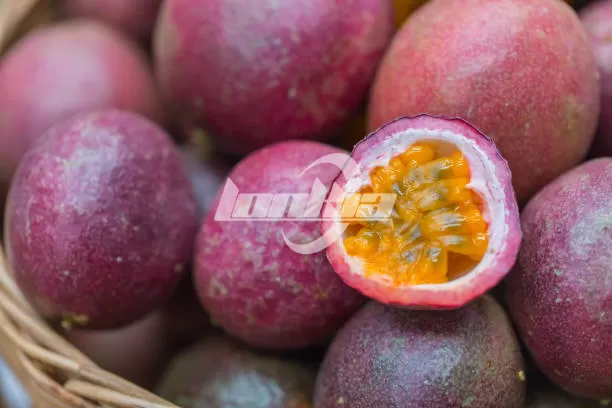
During harvesting, transportation, and temporary storage, passion fruit skins are prone to accumulating soil, dust, and leaf debris. Choosing the right passion fruit washing machine affects surface cleanliness, skin integrity, grading results, and overall production efficiency. Bubble washing and brush washing are two common fruit-washing methods—what are the differences between them? And how should equipment be configured to achieve a more thorough cleaning result?
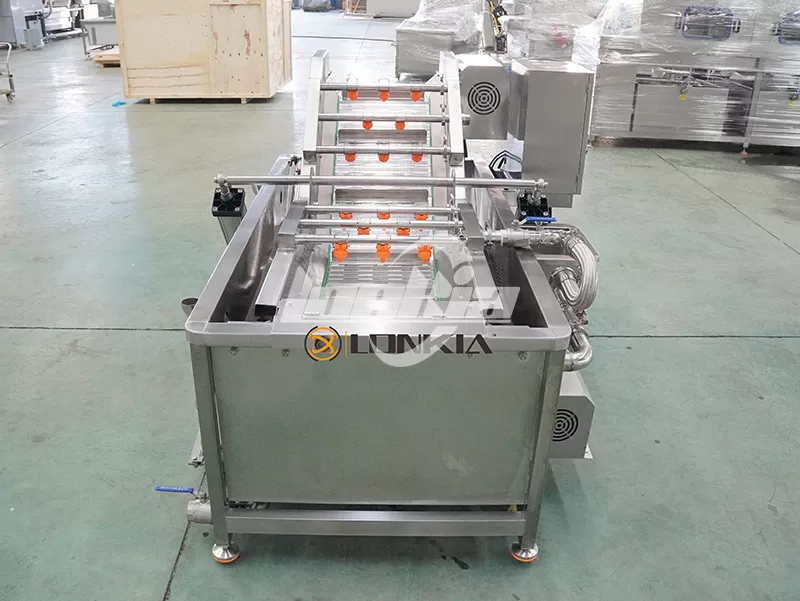
Bubble Washing: Gentle Cleaning Through Water and Air
Bubble washing machines use a combination of airflow and water agitation to ensure that passion fruit are thoroughly exposed to and tumbled within the wash tank, thereby helping to remove surface soil, dust, and other adhering impurities.
What Are the Characteristics of Bubble Washing?
The advantage of bubble washing lies in its relatively gentle cleaning process, making it suitable for the initial cleaning of passion fruit. By adjusting the water flow intensity, conveyor speed, and washing time, the cleaning process can be tailored to the condition of the fruit's surface.
However, if the passion fruit's surface has firmly adhered dirt, it may be difficult to remove it completely relying solely on bubbles and water flow. Therefore, for processing stages with higher cleanliness requirements, subsequent cleaning methods must be considered based on the actual condition of the fruit.
Brush Washing: Removing Stubborn Surface Dirt
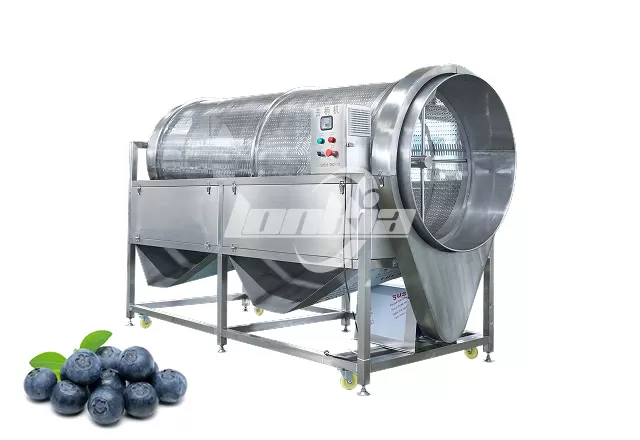
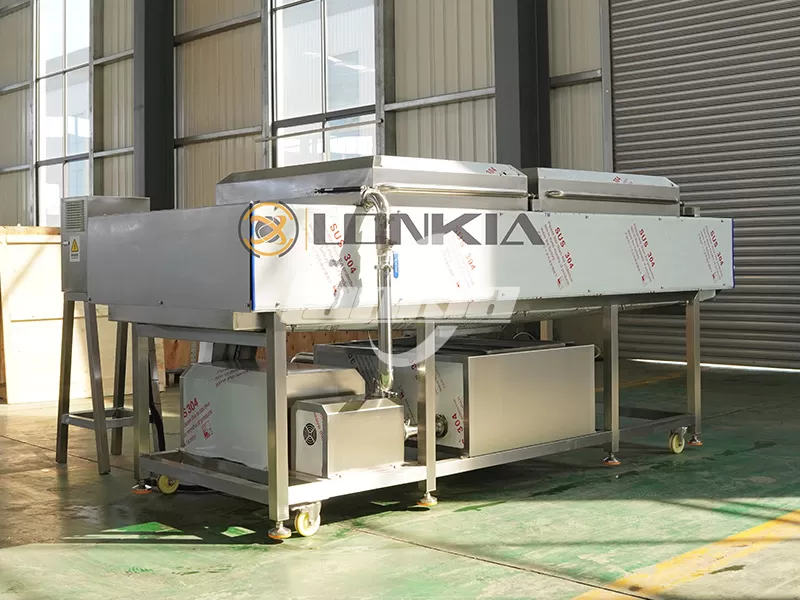
Brush roller washers use rotating brush rollers that come into contact with the fruit's surface, combined with water sprays or water flow, to remove residues remaining after bubble washing and to polish the surface of the passion fruit.
What Should You Consider When Using a Brush Roller Washer?
The material, hardness, arrangement, rotational speed of the bristle rollers, and the intensity of the water spray all affect the cleaning effectiveness. For passion fruit, the equipment must not only achieve the desired level of cleanliness but also minimize damage to the peel.
Therefore, when selecting a brush washer, one should not focus solely on cleaning capacity but should also conduct tests based on the passion fruit variety, ripeness, peel condition, and actual processing requirements to determine the appropriate equipment configuration and operating parameters.
Bubble Washing vs. Brush Washing: Which Is Better?
Each cleaning method has its own strengths; the choice should be based on the degree of contamination, peel condition, and cleaning requirements of the passion fruit.
- Bubble Washing: Primarily uses water flow and bubbles to remove impurities such as soil and dust from the fruit surface; it is suitable for preliminary washing.
- Brush Washing: Utilizes a combination of bristle rollers and spray nozzles to further remove residual dirt from the fruit skin.
- Combined Washing: When processing requirements are high and the fruit surface is heavily soiled, the two types of equipment can be used in series based on actual conditions.
It is important to note that cleaning effectiveness depends not only on the type of equipment but also on the condition of the raw material, cleaning parameters, and equipment maintenance. Bristle roller washing is not necessarily suitable for all passion fruits; skin tolerance must still be verified.
How to Achieve More Thorough Passion Fruit Washing?
If residual dirt is found after a single wash during production, a two-stage washing process may be considered.
Stage 1: Bubble Washing
First, use a bubble washing machine to remove surface soil, dust, and loose impurities, preparing the fruit for subsequent brushing.
Stage 2: Brush Washing
The passion fruit is then conveyed to a brush roller washer, where the brush rollers and water flow further clean the surface. The two passion fruit washing machines can be integrated based on actual production capacity, conveyor direction, and installation space.
LONKIA offers both bubble washers and brush roller washers and can assist in planning a combined solution based on the characteristics of the raw materials, target production capacity, and cleaning requirements. The final configuration should be based on sample test results and actual process requirements.
Conclusion
Bubble washers are suitable for the initial cleaning of passion fruit, while brush washers help further remove residual dirt from the fruit peel and polish fruits and vegetables. For processing projects with high cleanliness requirements, consider performing bubble washing first, followed by bristle roller washing.
When selecting a passion fruit washing machine, it is important to comprehensively consider the surface condition of the passion fruit, the skin's tolerance level, the target processing volume, and the subsequent processing steps. Only through actual test washing with raw materials can the cleaning method and equipment configuration be determined more accurately.