In egg processing plants, egg trays are often reused repeatedly over extended periods, making their surfaces prone to accumulating egg residue, dust, grease, and bacteria. If cleaning is incomplete, contaminants can reattach to egg surfaces during transportation and storage, severely compromising food safety. Therefore, selecting a high-performance egg tray washer is crucial for controlling cross-contamination and ensuring consistent processing quality. This article explains how egg tray washers effectively reduce contamination risks by examining machine structure, cleaning processes, and key technologies.
High-Efficiency Spray System
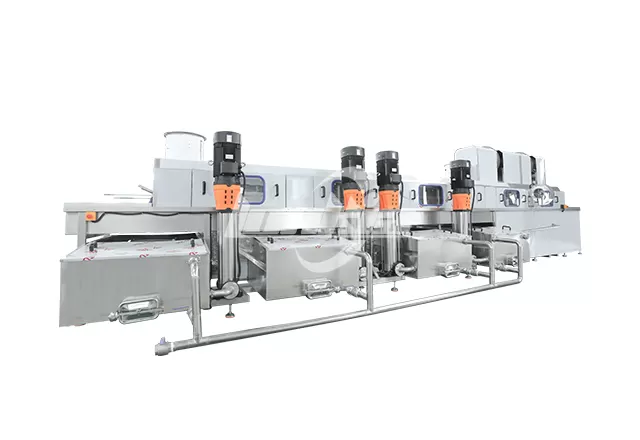
Premium egg tray washers typically feature multiple high-pressure spray units. Through strategically designed spray angles, they deliver powerful rinsing to every surface of the trays.
Key advantages include:
- Removing residual egg liquid to prevent odor and bacterial growth
- Thoroughly cleaning tray holes and grooves to minimize cleaning dead zones
- Maintaining stable water pressure to ensure consistent cleanliness across all trays
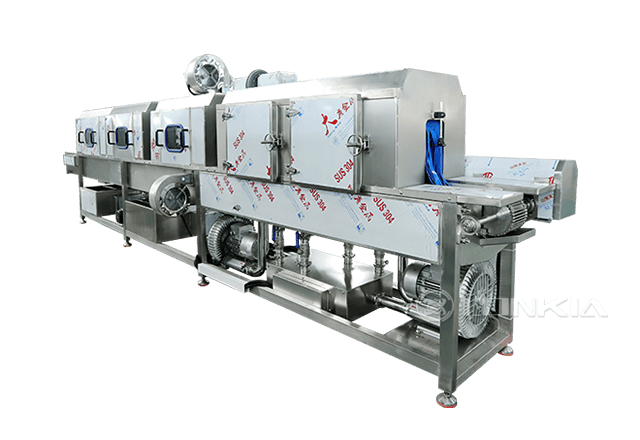
Lonkia egg tray washing machine typically utilizes high-flow pumps to guarantee stable washing pressure, further reducing microbial transmission risks.
Recirculating Filtration System Minimizes Secondary Contamination
To prevent secondary contamination from repeated rinsing with dirty water, egg tray washers commonly employ recirculating filtration systems. These separate impurities through multi-layer filters.
Key benefits include:
- Effectively filtering out egg residue, shell fragments, and silt
- Maintains continuous cleanliness of spray water sources
- Reduces nozzle clogging, ensuring consistent cleaning performance
Clean water sources mean lower bacterial residue rates, providing customers with greater peace of mind during long-term use.
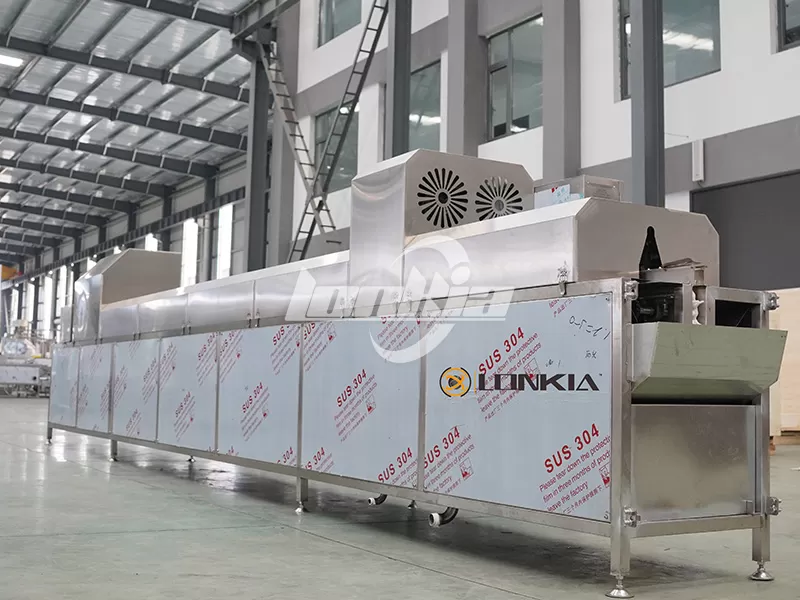
Food-grade Structure Ensures More Hygienic Cleaning
The entire plastic egg tray washer is constructed from food-grade stainless steel, including the body, water storage tank, spray piping, and conveyor system. All components in contact with materials throughout the process meet sanitary requirements.
Key advantages customers value most:
- Corrosion resistance prevents metal contamination
- Easy-to-clean surfaces resist dirt accumulation
- Sustained hygienic performance over extended use
This design minimizes bacterial adhesion risks while extending equipment lifespan.
Stable Conveying Structure Reduces Contamination from Manual Handling
Manual cleaning often leads to uneven coverage, incomplete removal, or human contamination.
The Egg tray washer's automated conveyor belt delivers:
- Reduced manual handling of egg trays for enhanced hygiene standards
- Uniform passage of trays through cleaning zones
- Prevention of cleaning quality degradation due to operator fatigue
The continuous conveying system also stabilizes overall egg washing line workflow, enabling more efficient subsequent drying and egg loading processes.
Adjustable Cleaning Temperature and Duration
Users often require enhanced cleaning power for heavily soiled egg trays.
Egg tray washing machines typically offer:
- Controllable water temperature settings
- Adjustable conveyor speed
Customers can modify parameters based on tray contamination levels to achieve more thorough cleaning, ensuring hygienic control and traceability throughout production.
Conclusion
To minimize contamination risks in egg processing, selecting an egg tray washer with rational structure, thorough cleaning, and easy maintenance is crucial.
Lonkia plastic egg tray washer is renowned for its stable performance and sanitary-grade design, effectively helping businesses enhance cleaning quality, reduce cross-contamination, and boost overall production efficiency.