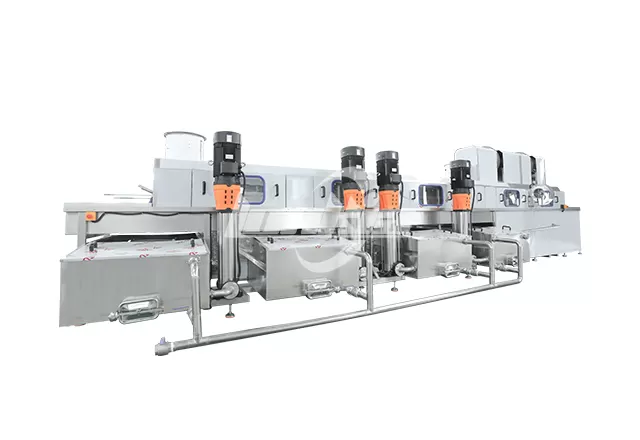
For egg processing plants, when selecting an egg tray washing machine, higher production capacity isn't necessarily better. Different plants vary in terms of egg tray sizes, daily washing volumes, production rhythms, and factory layouts. If the equipment specifications do not match actual production conditions, issues such as unstable conveying, insufficient cleaning coverage, or excessive space requirements may arise. Therefore, when purchasing an egg tray washing machine, configuring the equipment based on actual production conditions is more important than simply focusing on equipment specifications.
Determining Egg Tray Specifications and Cleaning Requirements
Egg tray dimensions and structure are the first parameters that need to be confirmed when customizing equipment. Different plastic egg trays may vary in length, width, height, and groove structure, all of which affect the conveying method and spray coverage.
Egg tray washing machines typically require adjustments to conveyor width, operating speed, and nozzle angles based on egg tray dimensions to ensure the high-pressure water stream covers the surfaces, edges, and grooves of the egg trays. For egg trays with significant amounts of egg residue, eggshell fragments, and other contaminants, the pre-wash, main wash, and rinse stages must be appropriately configured based on the actual degree of contamination.
Match Cleaning Capacity to Actual Output
Equipment capacity is another key factor in a customized solution. Lonkia's egg tray washers have a reference capacity of 200–3,000 units per hour, and specific configurations can be adjusted according to the customer's production needs.
When determining production capacity, one should not merely calculate the number of egg trays that need to be washed daily; it is also necessary to consider actual working hours, production peaks, and the operating speeds of upstream and downstream equipment. For example, if egg trays need to be continuously supplied to subsequent packaging or sorting stages, the washer's conveyor speed must be coordinated with the overall production rhythm to avoid material buildup at the front end or waiting times at the back end.
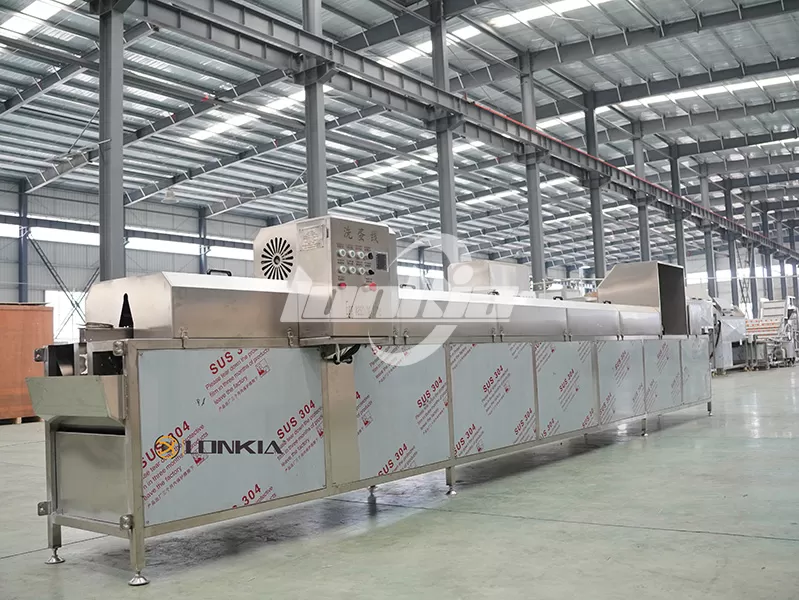
Designing Equipment Layout Based on Factory Layout
The required equipment length and conveyor direction may vary for the same egg tray washer machine when installed in different factories. The feed end, discharge end, conveying method, and overall plastic egg tray washer length can be adjusted to fit the available space on-site.
Before finalizing a solution, customers are advised to provide details on the available factory space, the equipment installation area, the directions in which egg trays enter and exit, and the upstream and downstream equipment to be connected. This allows for advance planning of operational and maintenance space, reducing the need for adjustments after installation.
Configuring the Washing Section Based on Cleaning Performance
The standard egg tray washing process typically includes feeding, pre-wash, main wash, hot water rinse, and discharge; some configurations may also include an air-drying section. Multi-stage washing addresses varying levels of residue, while high-pressure nozzles rinse the surface and grooves of the egg trays from multiple angles.
If customers primarily deal with egg liquid and eggshell residues, the focus should be on optimizing the main wash and spray systems; if there are stricter requirements for residual moisture on the tray surfaces after discharge, a blow-dry system should be considered. This design ensures the equipment configuration better aligns with actual operational needs rather than adding unnecessary features.
Optimizing Configuration Based on Equipment Maintenance Requirements
Customization involves more than just adjusting equipment dimensions; it also includes considerations for future maintenance. Nozzles, conveyor chains, screens, and filtration systems are all components of egg tray washers that require regular inspection. The equipment features a SUS304 stainless steel structure, with key components designed for easy disassembly to facilitate daily cleaning and maintenance.
Therefore, when customizing equipment, it is important to consider whether operators can conveniently inspect nozzles, clean filtration devices, and maintain the conveyor system. A well-designed structure helps the equipment maintain consistent cleaning performance over the long term.
What Information Is Needed to Customize An Egg Tray Washer?
To obtain a more accurate equipment proposal, customers can prepare the following information when requesting a quote:
- Length, width, and height of the egg trays
- Number of egg trays to be washed per hour or per day
- Main residues on the surface of the egg trays
- Whether hot water washing is required
- Whether air drying is required
- Available installation space in the facility
- Feed and discharge directions
- On-site power supply conditions
The more complete this information is, the easier it will be for the equipment manufacturer to determine the conveyor structure, number of washing sections, spray configuration, and equipment dimensions.
Ensuring Equipment Configuration Truly Matches Production Needs
A suitable egg tray washing machine should be designed around the egg trays, production capacity, cleaning requirements, and factory layout. Based on the actual parameters provided by the customer, Lonkia can tailor the conveyor system, washing sections, spray configuration, equipment length, and other aspects to ensure the egg tray washer integrates seamlessly into the existing production process.
For factories currently planning to install egg tray washing equipment, rather than directly comparing the prices of different machines, it is better to first clarify your egg tray specifications, production capacity, and installation conditions. Only after these basic parameters are determined can you obtain an egg tray washing solution that is truly suitable for your production site.