For food processing companies purchasing continuous deep fryers, delivery time is a critical factor that cannot be overlooked in the equipment procurement process. If the equipment needs to be ready for use in conjunction with the launch of a new production line, peak-season orders, or established production schedules, it is not enough to focus solely on continuous fryer price and production capacity; it is also necessary to confirm in advance the time required for equipment manufacturing, testing, and shipping.
Continuous deep fryers typically need to be configured based on the products being processed, production capacity, and production line requirements; therefore, the actual delivery time is not a fixed figure. Clarifying equipment requirements in advance can reduce design revisions and order delays.
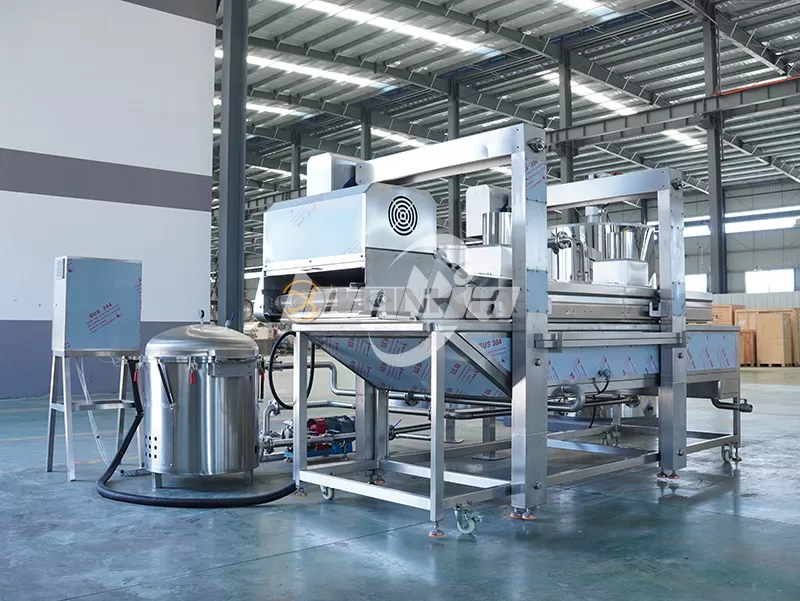
What Factors Affect the Lead Time for Continuous Deep Fryers?
1. Equipment Capacity and Configuration
Different customers have varying capacity requirements for continuous deep fryers and may also have specific requirements regarding heating methods, oil tank structure, conveyor systems, temperature control, and oil filtration. The more clearly the equipment configuration is defined, the easier it is for the manufacturer to quickly complete technical confirmation and schedule production.
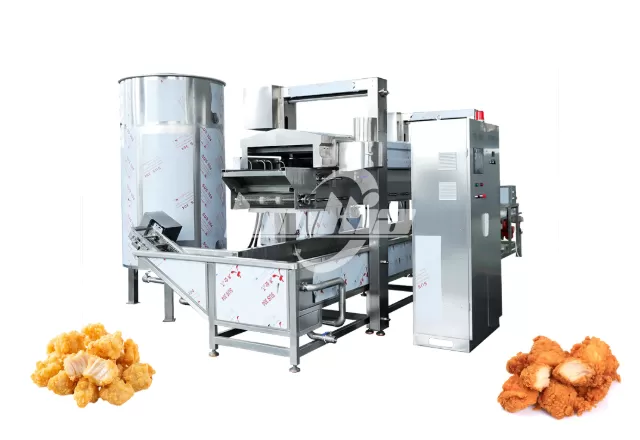
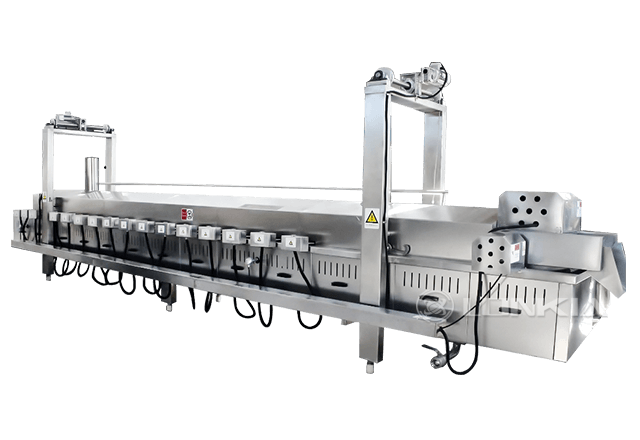
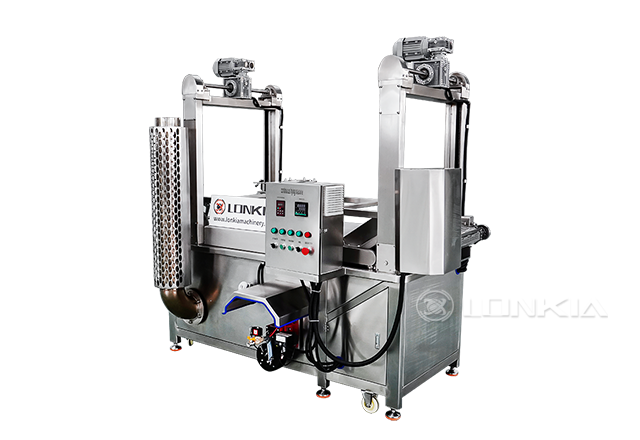
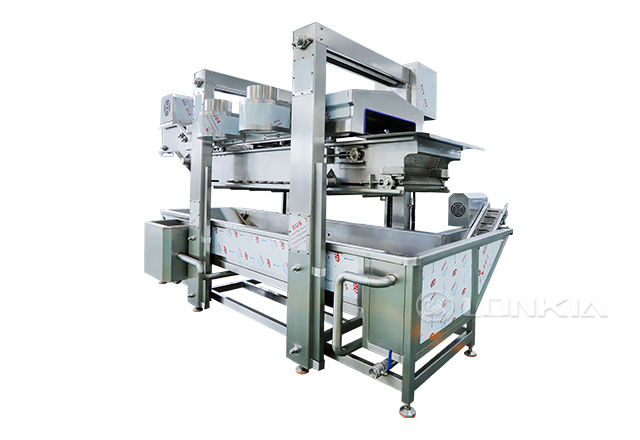
For example, LONKIA continuous fryers can be configured according to different products and production capacities. Some models feature digital temperature control and variable-speed conveyor systems, allowing operators to adjust oil temperature and frying time based on the product.
2. Need for Customization
If the continuous food fryers need to integrate with an existing production line, adjustments may be required for feed height, discharge direction, equipment dimensions, and conveyor connection methods. If customers can provide the factory layout, parameters of upstream and downstream equipment, and installation space during the quotation phase, it will reduce the time required for later design modifications.
3. Production, Commissioning, and Pre-shipment Inspection
After the continuous frying equipment is manufactured, it must undergo assembly, operational checks, and necessary commissioning. The conveyor speed, oil temperature control, and oil circulation status of a continuous fryer all affect the final frying results; therefore, testing and pre-shipment preparations must be factored into the overall delivery schedule.
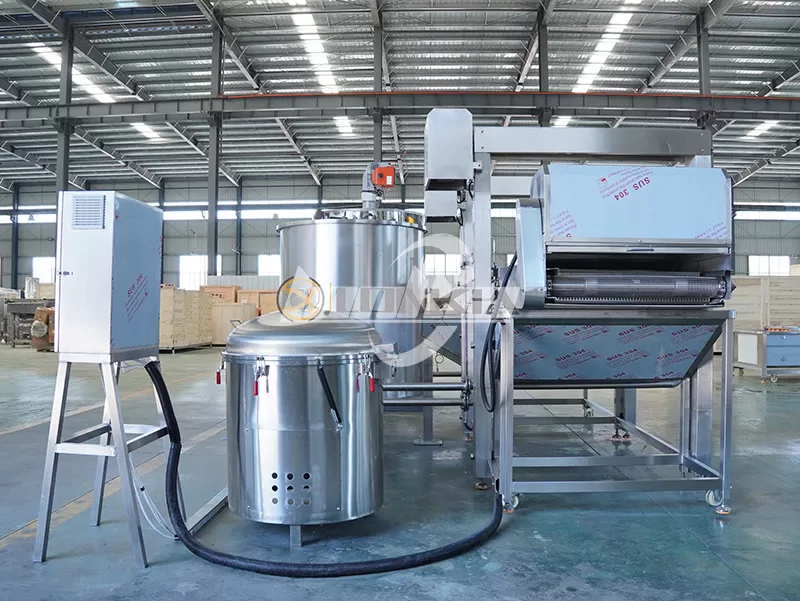
How to Avoid Delays in the Delivery of Continuous Fryers?
Confirm Complete Technical Specifications Before Placing an Order
We recommend that customers confirm the following information before placing an order:
- Characteristics of the products to be processed and raw materials
- Target production capacity
- Frying temperature and time
- Heating method
- Conveyor speed
- Voltage, frequency, and number of phases
- Equipment dimensions and feed/discharge heights
- Oil filtration and circulation methods
- Whether integration with an existing production line is required
The more complete this information is, the easier it will be to finalize the continuous deep fryer design on the first attempt.
Confirm the Full Delivery Cycle in Advance
If the customer has a specific start-up date, they should confirm the production cycle, testing time, packaging time, and shipping time before placing the order. This is particularly important for international purchases, as the completion of equipment production does not mean it has arrived at the customer's facility; shipping time must also be factored in based on the mode of transport and destination.
Summary
The procurement cycle for a continuous deep fryer actually encompasses multiple stages, including technical confirmation, manufacturing, equipment testing, packaging, and transportation. The closer the procurement begins to the planned production start date, the more limited the time available for technical adjustments and transportation.
Therefore, confirm the complete delivery schedule with the supplier early in the procurement process. LONKIA can provide corresponding continuous fryer configuration solutions based on the customer's products, production capacity, and production line layout, helping customers finalize equipment parameters and delivery arrangements in advance.