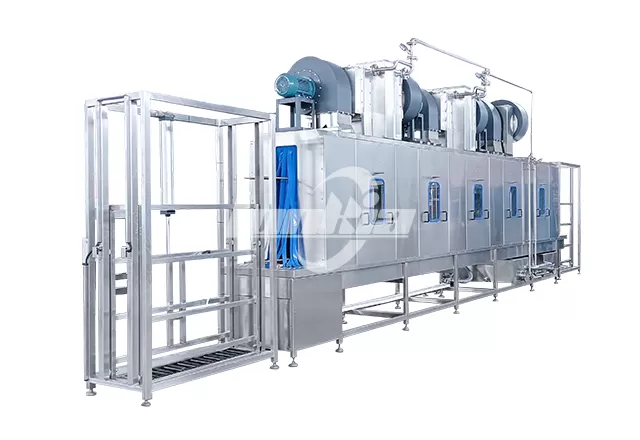
When purchasing an automatic pallet washer, many customers first focus on cleaning capacity, spray pressure, and equipment price, but they often overlook a practical issue: exactly how much space will the equipment require once installed? For food processing plants, logistics centers, and other production environments that require continuous pallet washing, the equipment's footprint includes not only the machine itself but also space for loading, unloading, operation, and maintenance. Proper planning of the installation area can prevent issues such as insufficient passageways or the inability to connect the equipment to upstream and downstream machinery after it arrives at the facility.
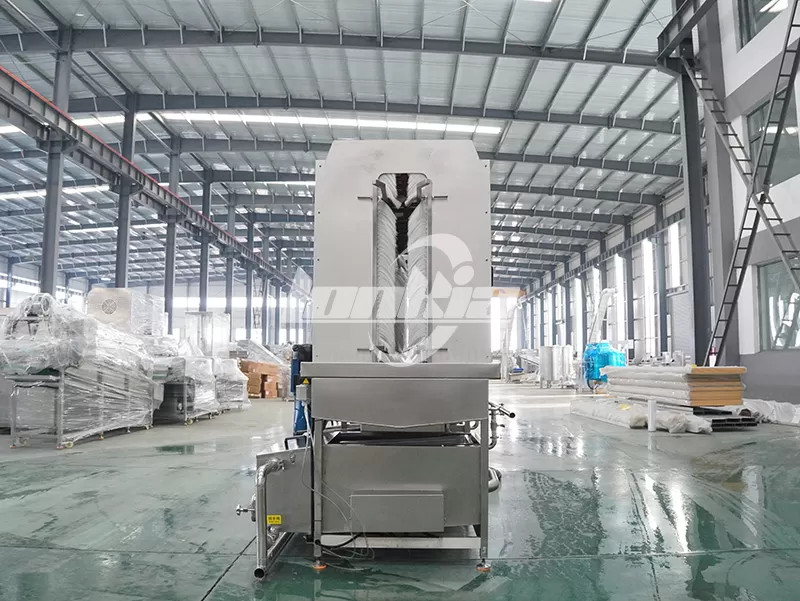
What Determines the Floor Space Required for an Automatic Pallet Washer?
Dimensions of the Machine Itself
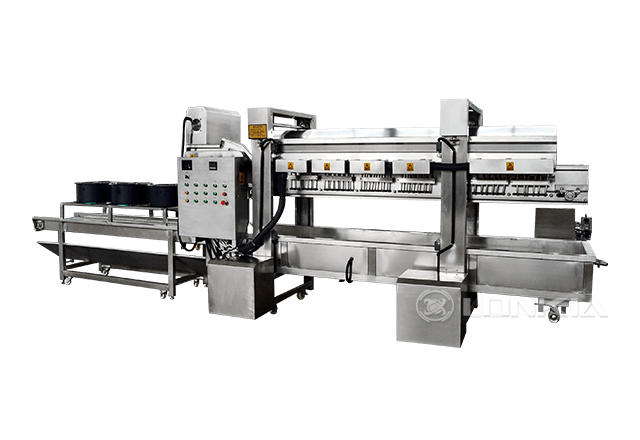
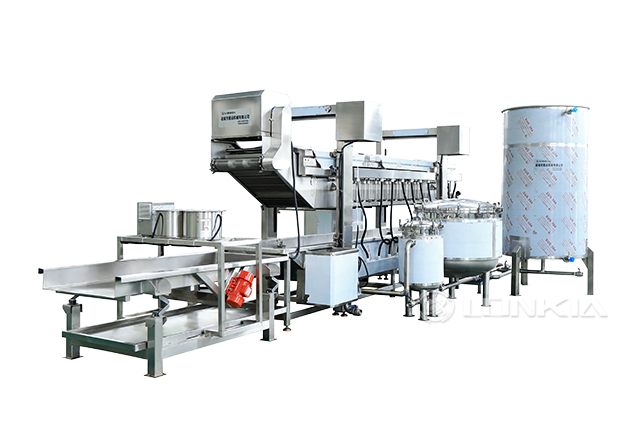
The length, width, and height of the automatic pallet washer form the basis for space planning. Automatic pallet washers typically use a conveyor system to continuously feed pallets into the washing channel, where they sequentially undergo pre-wash, main wash, rinse, and optional drying. Therefore, the machine's length depends on the number of washing zones, the conveyor structure, and the functional configuration.
If the customer already has a defined factory layout, they should confirm the pallet cleaning equipment's external dimensions and final configuration dimensions with the supplier before purchase, rather than relying solely on standard models.
Infeed and Outfeed Space
An automatic pallet washer is not a standalone piece of equipment. Pallets must enter the conveyor system and, after cleaning, proceed to the next process. Therefore, sufficient space for conveyance and operation must be reserved in front of and behind the equipment.
If the industrial pallet washing machine connects to a tray conveyor at the front and to stacking, flipping, or other automated equipment at the rear, consider the height, conveying direction, and interface locations between the equipment simultaneously. LONKIA's pallet washing equipment supports integration with existing automated production lines and can be configured according to actual production line requirements.
Why Is Maintenance Space Equally Important?
Nozzles, Filters, and Conveying Systems
After prolonged operation of the pallet cleaning equipment, the nozzles, filters, and conveyor components require regular inspection and cleaning. The product page also lists these components as key areas for daily maintenance. Therefore, during installation, the equipment must not be placed directly against a wall or other equipment, as this would restrict future inspection and maintenance.
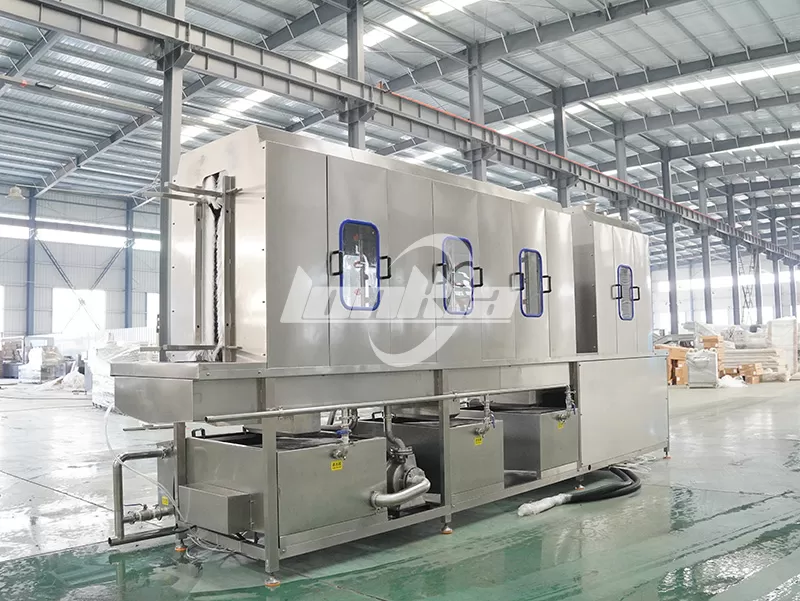
Water Supply and Electrical Connections
Automatic pallet washers also require connections to the water supply, power source, and corresponding drainage system. If the equipment includes heating or other custom features, the locations of the relevant interfaces should be confirmed in advance. It is best to reserve space for piping and maintenance access in the installation area during the design phase.
How to Determine Space Requirements Before Purchasing?
We recommend that customers provide the following information to the pallet washer supplier:
- The length, width, and height of the trays;
- The number of trays to be washed per hour;
- Conveyor or automated equipment to be connected to the front and rear of the machine;
- The available length, width, and height of the facility;
- Water supply, drainage, and power conditions;
- Requirements for maintenance and operational access.
LONKIA can provide customized pallet washing solutions based on tray specifications and production line requirements. The equipment features PLC-based automatic control and completes the washing process via continuous conveying, making it suitable for production environments requiring stable, continuous operation.
Conclusion
When selecting an automatic pallet washer, "whether the machine will fit" is only the first step; more importantly, it must ensure smooth loading, unloading, and integration with the production line after installation, as well as convenient maintenance. Determining the equipment dimensions, conveyor direction, and operational space in advance ensures a smoother installation and helps improve the continuity of the entire tray washing process.
If you are planning a new pallet washing area, we recommend providing tray dimensions, target processing capacity, and factory layout information when requesting a quote. LONKIA can assist in confirming equipment configuration and installation dimensions based on actual production needs, providing customers with a more tailored tray washing solution.