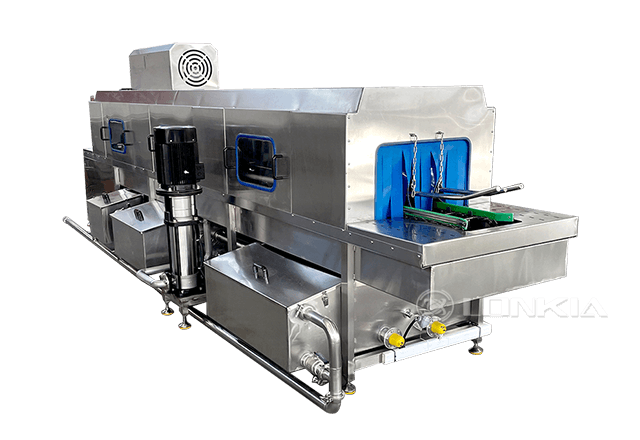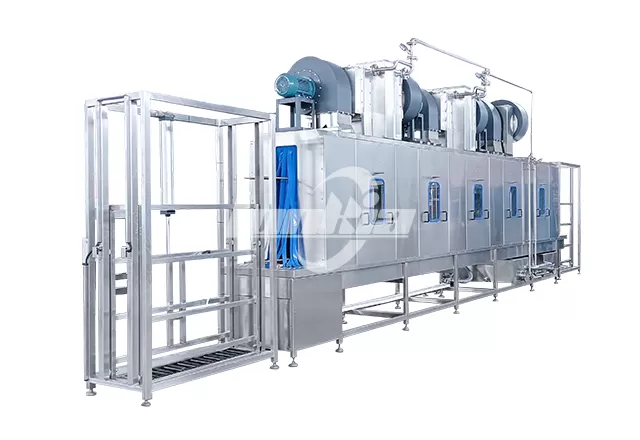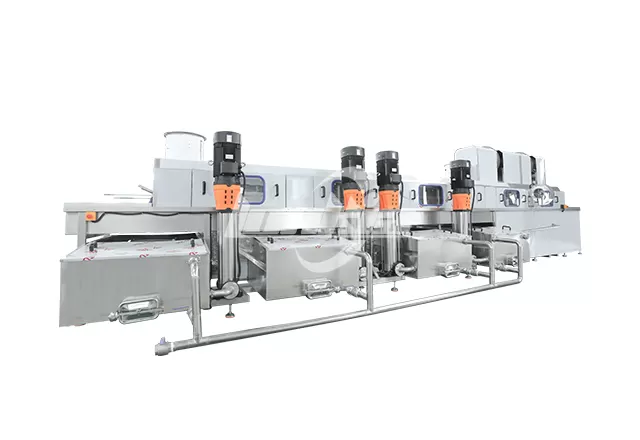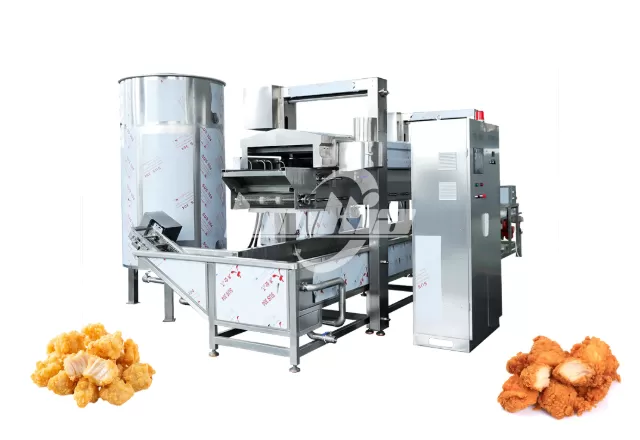
For companies planning to purchase a crate cleaning machine, "How many crates can it actually clean per hour?" is almost always the first question they ask. In reality, there is no one-size-fits-all answer that applies to every factory. The machine's actual cleaning capacity depends not only on its configuration but is also influenced by factors such as crate size, the degree of contamination, and production cycle times.
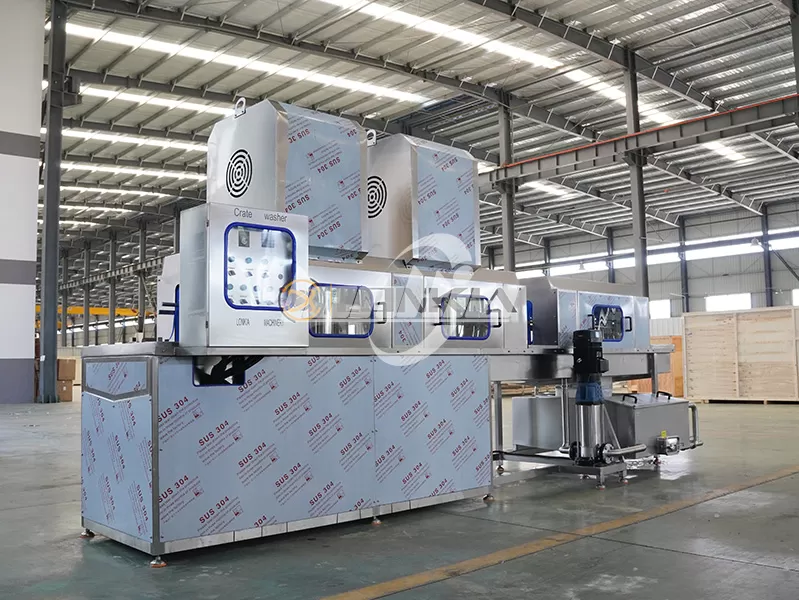
Understanding these influencing factors can help companies select equipment that truly suits their production needs, rather than simply pursuing higher specifications. The crate washing machines provided by LONKIA can typically be customized according to production requirements, with common processing capacities ranging from 100 to 2,000 crates per hour to meet the continuous production demands of various food processing companies.
What Factors Determine the Hourly Washing Capacity?
Container Size and Structure
Plastic containers of different specifications vary in length, height, and perforation patterns. Larger containers take up more space during transport, reducing the number that can enter the washing zone at any given time, thereby affecting actual throughput.
If a company uses multiple container sizes simultaneously, it is recommended to provide dimensional information prior to purchase so that the manufacturer can adjust the guide rail width, spray zones, and conveyor speed to ensure stable operation.
Cleaning Difficulty Affects Operating Speed
If the surfaces of the return crates are only dusty or have minimal residue, the equipment can maintain a relatively fast operating speed.
However, return crates used in industries such as meat processing, seafood processing, and central kitchens typically have grease, proteins, or food residue adhering to them. They require multiple cleaning stages—including pre-wash, main wash, and rinse—to ensure every corner is thoroughly cleaned; consequently, the production cycle time must be adjusted accordingly. A multi-stage high-pressure spray system balances cleaning effectiveness with continuous production efficiency.
The Level of Automation Determines Overall Production Efficiency
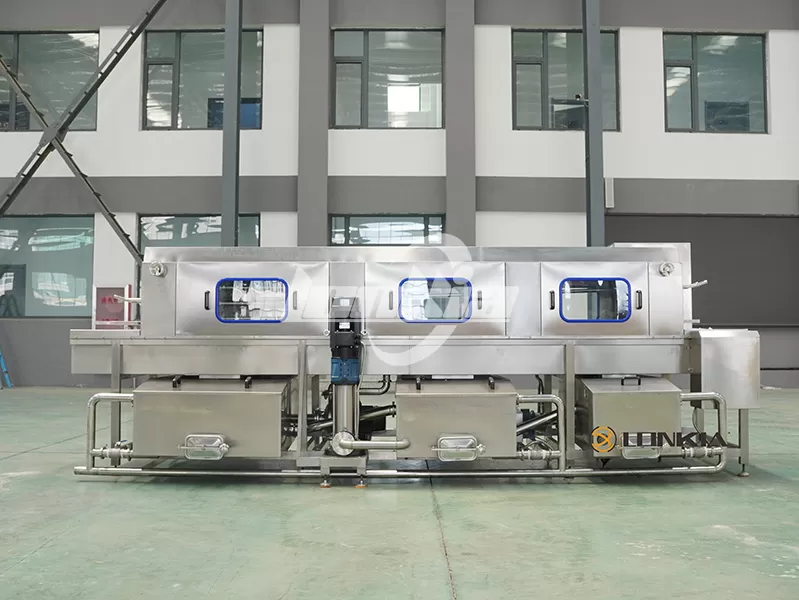
Many customers believe that simply increasing the conveyor speed will boost production capacity. In reality, a complete returnable container washing line includes not only the washing equipment but also stages such as loading, conveying, air drying, and collection.
With PLC-based automatic control, continuous conveying, and automatic rotary designs, the entire cleaning process flows more smoothly, reducing manual waiting time and ensuring continuous, stable equipment operation. Some automatic rotary designs even allow a single operator to handle both loading and unloading, significantly improving overall production efficiency.
How to Choose the Right Production Capacity for Your Needs?
Before purchasing a crate cleaning machine, we recommend first clarifying the following questions:
- How many return crates need to be washed daily?
- How long will the equipment run each day continuously?
- Are the return crates all the same size?
- Is an air-drying or oven-drying process required?
- Are there plans to expand production capacity in the future?
Only by considering all this information can you select washing machine for crates that meets current production needs while offering room for future expansion, thereby avoiding frequent upgrades down the line.
A Reliable Machine Is More Important Than Simply Pursuing High Capacity
For food processing companies, stable and consistent cleaning performance is far more valuable than momentary high capacity. A well-designed crate cleaning machine should feature stable conveyor systems, multi-stage high-pressure spraying, water recirculation and filtration, and intelligent control—ensuring cleaning quality while enabling continuous, efficient operation.
LONKIA can provide customized solutions based on a customer's crate dimensions, production cycle, and factory layout, helping businesses achieve higher production efficiency and more stable equipment operation while ensuring effective cleaning results.