For investors planning to enter the potato chips processing industry, the primary concern is often not the potato chips plant machine price, but rather how much profit the equipment can generate and how long it will take to recoup the investment.
In fact, the profitability of automatic potato chips making machine depends not only on sales volume, but even more so on the equipment's production efficiency, product consistency, raw material utilization, and long-term operating costs. Choosing the right production line can directly impact a factory's operating profits for years to come.
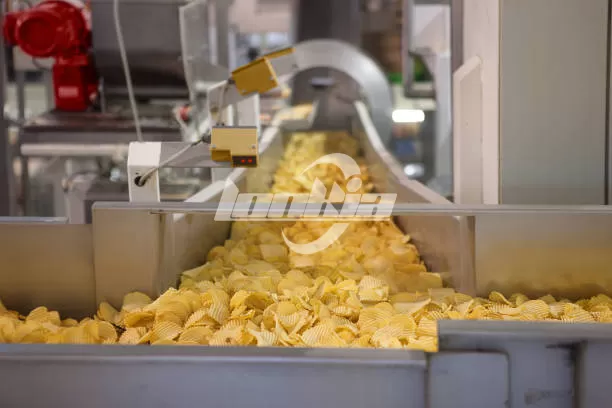
The Key to Profit Growth: Stable and Continuous Production Capacity
Traditional production methods typically rely heavily on manual labor, which not only limits efficiency but also makes product quality prone to fluctuations.
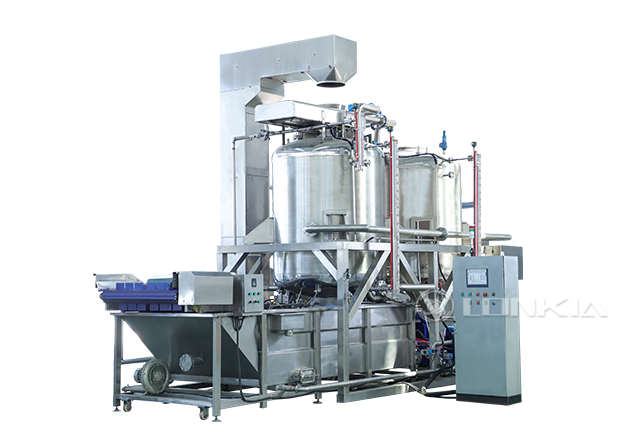
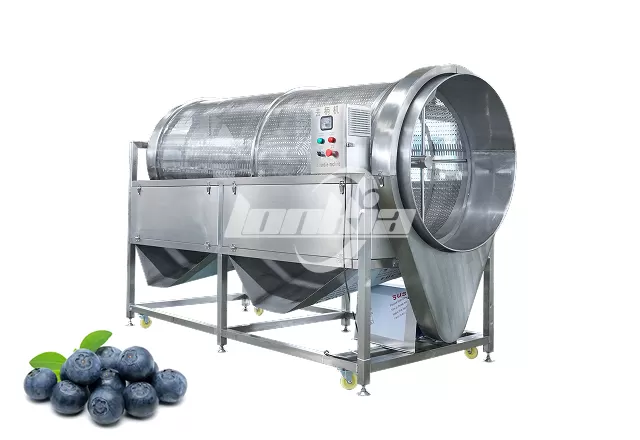
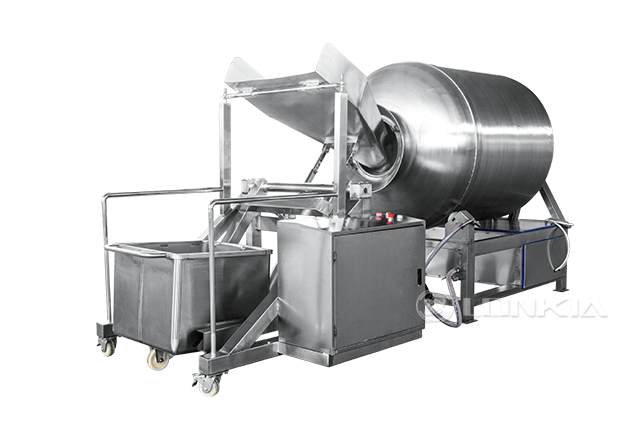
Automatic potato chips processing lines achieve continuous production by integrating processes such as washing, peeling, slicing, blanching, dehydrating, frying, oil-draining, and seasoning into a complete production workflow. The equipment operates stably for extended periods, reducing production downtime and manual intervention, thereby increasing output per unit of time. Automated production lines can significantly improve production efficiency and minimize the impact of human factors on product quality.
For food processing companies, higher production capacity means more orders can be fulfilled in the same amount of time, laying the groundwork for profit growth.
Improving Product Consistency and Reducing Unnecessary Waste
Many customers encounter similar issues during production:
- Uneven potato chip thickness
- Inconsistent color
- Excessively high oil content
- Increased breakage rate in finished products
These issues directly impact product sales and profits.
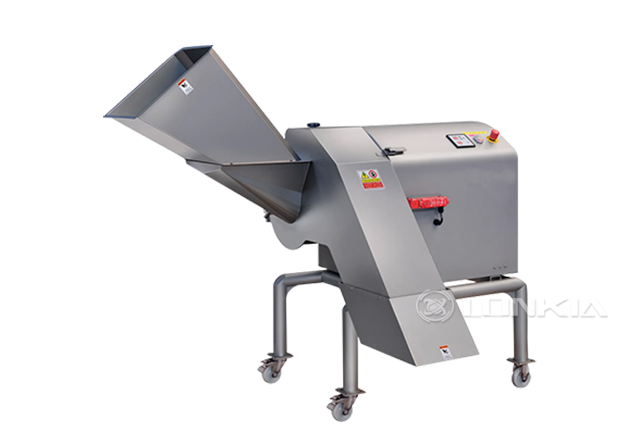
Automatic potato chips making machines utilize precise slicing systems and continuous frying systems to maintain consistent slice thickness and frying temperatures, ensuring that each batch of products has a relatively uniform texture and appearance. Uniform production standards reduce the defect rate and rework rate, thereby minimizing raw material waste.
For potato chips manufacturing plants operating over the long term, reducing waste is often more important than simply increasing output.
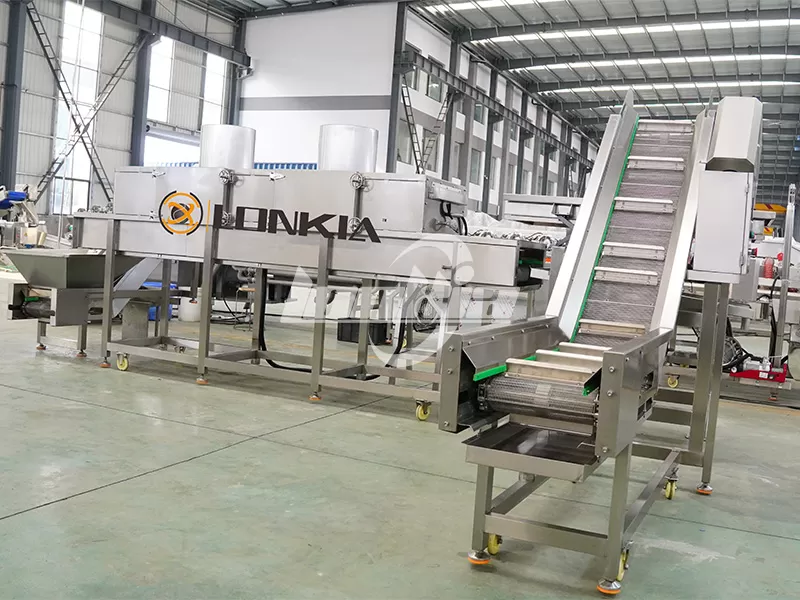
Reducing Labor Costs and Improving Production Efficiency
As labor costs continue to rise, an increasing number of food processing companies are turning to automated equipment.
A complete automated potato chip production line connects all processing stages via a conveyor system, significantly reducing manual handling and repetitive tasks. Compared to traditional methods, automated production reduces staffing requirements while improving production pace and management efficiency.
This means companies can allocate more resources to market development, product innovation, and brand building, rather than bearing the long-term burden of ever-increasing labor expenses.
Equipment Configuration Determines Long-Term Returns
Many customers focus solely on the initial potato chips plant machine price when making a purchase, overlooking the impact of equipment configuration on future returns.
High-quality automatic potato chips making machines are typically equipped with:
- High-precision slicing system
- Continuous frying system
- Oil recirculation and filtration system
- Automatic temperature control system
- Food-grade stainless steel construction
While these features increase the initial investment, they enhance equipment stability, reduce failure rates, and lower oil consumption and maintenance costs, offering greater economic value from a long-term operational perspective.
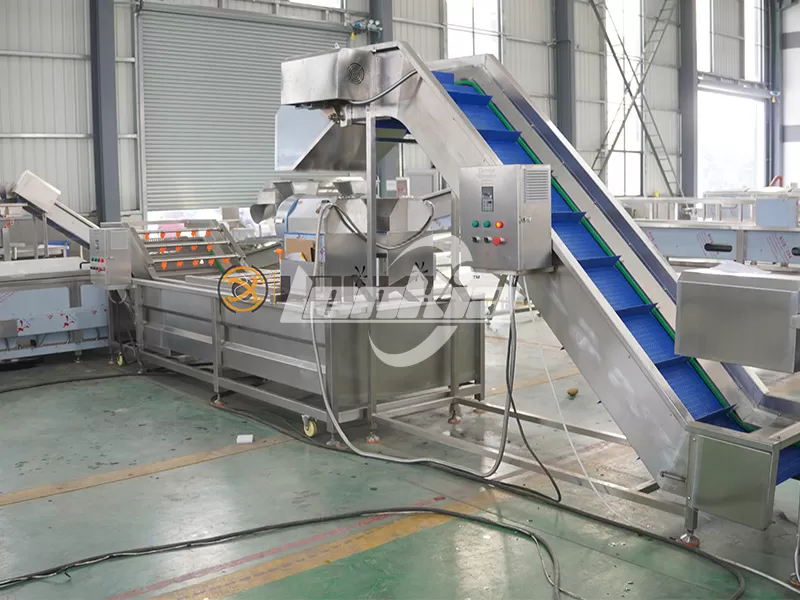
Why Do Automated Machines Deliver a Better Return on Investment?
Compared to traditional production methods, the advantages of automatic potato chips making machine extend beyond increased output to include long-term operational cost control.
Automated production can:
- Reduce labor costs
- Minimize raw material waste
- Improve product consistency
- Lower rework rates
- Shorten production cycles
- Enhance equipment utilization
These factors work together to ensure the potato chips processing line continues to generate value over the long term. The payback period for many automated potato chip production projects is typically significantly shorter than customers expect.
How to Choose More Profitable Automatic Potato Chips Making Machine?
When purchasing potato chips making equipment, you should not focus solely on price but should pay close attention to:
- Equipment materials and manufacturing processes
- Level of automation control
- Frying system design
- Equipment stability
- Ease of maintenance
- Technical support and after-sales service
Take the Lonkia automated potato chips production line as an example. The entire potato chips processing line features a food-grade stainless steel structure and can be optimized according to actual process requirements, helping customers improve production efficiency while ensuring product quality and providing stable production support for future market expansion.
Conclusion
There is no fixed answer to how much profit automatic potato chips making machine can generate. The key factor that truly determines profit levels lies in whether the equipment can consistently and stably produce high-quality products while effectively controlling operating costs.
For food processing companies seeking long-term growth, a well-designed and stable automated potato chips production line not only increases output but also helps establish a consistent product quality system, thereby securing greater profit margins in the highly competitive snack market.