For companies investing in a potato chip processing project for the first time, finding a suitable potato chips production line for sale is not simply a matter of selecting a few pieces of equipment, but rather planning a processing solution capable of long-term, stable operation. From the raw materials entering the production line to the packaging of the finished product, every step of the process must be properly coordinated. Only by carefully planning the equipment configuration in the early stages can subsequent production run more smoothly, and product quality be more easily maintained at a consistent level.
Define Production Goals Before Determining Production Line Configuration
Before purchasing fully automatic potato chips making machine, it is advisable to first clarify the requirements for the final product, such as potato chip thickness, texture, production cycle, and packaging method. These factors will all influence the equipment configuration plan.
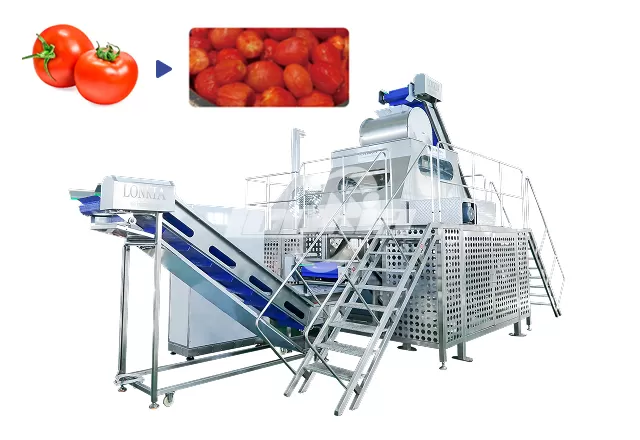
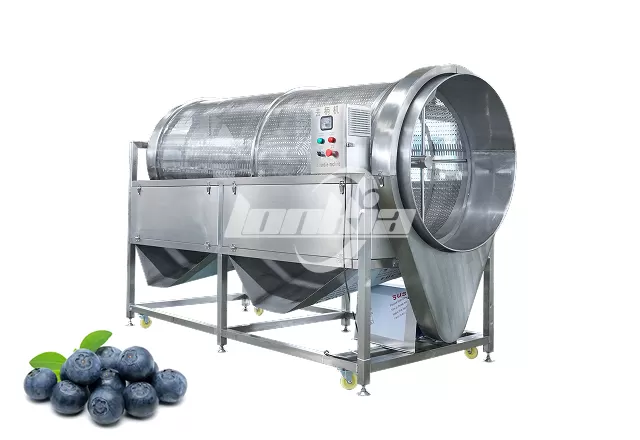
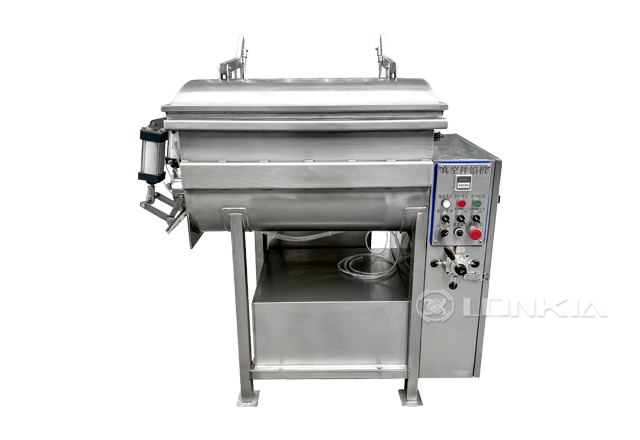
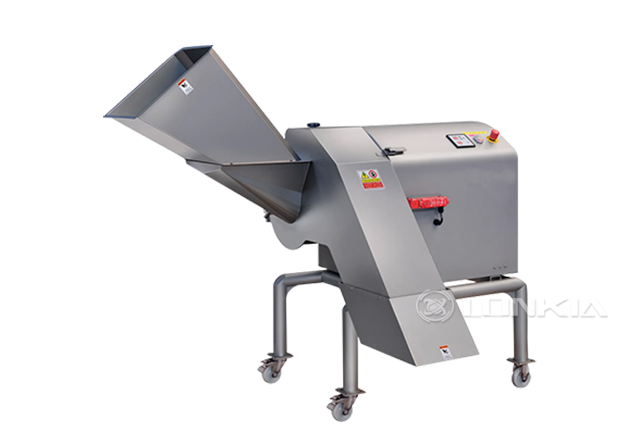
A complete potato chip production line for sale typically includes a washing and peeling machine, a slicer, blanching equipment, a dehydrator, a continuous fryer, a oil-draining machine, a seasoning machine, and packaging equipment. Rather than focusing on the specifications of individual machines, prioritize whether the entire production line can operate continuously and whether the various machines can work together seamlessly, as this directly impacts subsequent production efficiency.
Focus on the Performance of Key Equipment
In a potato chips manufacturing plant, the stability of core equipment performance is crucial.
For example, the slicer determines the consistency of chip thickness; the continuous fryer determines the frying color, oil content, and product texture; the seasoning machine affects the uniformity of seasoning; and the conveyor system determines the smooth operation of the entire line. If these pieces of equipment are properly configured, they can maintain stable processing results even during prolonged continuous production.
Therefore, when selecting a production line, it is essential to focus on the equipment materials, control methods, temperature control accuracy, and the ability of the equipment to work in tandem.
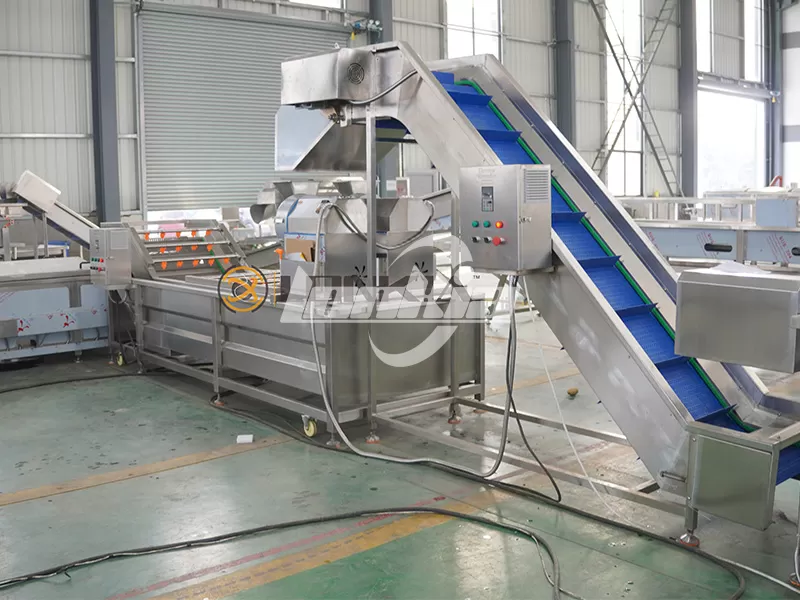
Automated Design Reduces Operational Complexity
Modern potato chip production places greater emphasis on the coordinated operation of the entire potato chips production line for sale. Automated conveying, centralized control, and continuous processing can reduce manual handling, improve equipment utilization, and lower the risk of downtime caused by human error.
Production solutions like those provided by Lonkia allow for equipment combinations tailored to actual processing workflows, ensuring smoother transitions between processes. At the same time, they reserve interfaces for future additions of packaging equipment or upgrades to specific processes, giving the production line greater scalability.
Confirm These Details Before Installation
Many project delays are not caused by equipment manufacturing but by discrepancies between on-site conditions and the design plan discovered during the installation phase. Therefore, before equipment is shipped, the factory layout, power specifications, water source locations, and equipment placement space should be confirmed in advance, while ensuring necessary maintenance access is reserved.
For an entire potato chips production line for sale, a reasonable installation layout not only facilitates daily operations but also aids in future maintenance and equipment repairs, reducing production downtime.
Choose a Production Line That Supports Long-Term Project Growth
Building a potato chips production line is a long-term investment. A mature potato chip production line for sale must not only offer stable processing capacity but also address equipment maintenance, future upgrades, and technical support. Rather than focusing solely on procurement costs, selecting a complete production line solution with a well-designed layout, stable operation, and easy maintenance is more effective in improving product quality and production efficiency, providing a reliable foundation for the company's future growth.