When building a French fries processing plant, production capacity is one of the top concerns for customers. The production capacity of the automatic French fries production line not only determines the equipment investment but also directly impacts subsequent production efficiency, raw material utilization, and market supply capacity. If production capacity is planned improperly, it may result in equipment failing to meet order demands or underutilization of equipment.
Therefore, before purchasing a French fries production line, companies need to select an appropriate equipment configuration plan based on product positioning, market demand, raw material supply, and future development plans. A complete frozen French fries production process typically includes potato washing and peeling, cutting, blanching, dehydration, frying, oil drainage, cooling, quick-freezing, and packaging. The capacity of the equipment at each stage must be properly aligned.
Determining Production Line Requirements Based on Product Type
Before selecting the production capacity for a French fries production line, it is first necessary to clarify the type of product to be manufactured. Different products have different requirements for equipment configuration and production processes.
If the primary focus is on fresh-cut french fries, the production process typically emphasizes potato washing, cutting, freshness preservation, and rapid supply capabilities, making it suitable for supplying customers such as restaurants, hotels, and central kitchens.
If producing semi-frozen or frozen french fries, additional equipment such as blanching, frying, cooling, and IQF freezing is required to ensure the product maintains consistent quality after storage and transportation. A complete frozen french fry processing line generally includes washing and peeling, cutting, blanching, dehydration, frying, oil drainage, cooling, freezing, and packaging.
Different product types directly impact the number of equipment units required and the design of the entire line's production capacity.
Planning French Fry Production Line Capacity Based on Market Demand
When purchasing frozen French fries making machine, it is essential to consider daily production hours, order volume, and future market growth.
For example:
- If the primary market is local foodservice establishments and a stable supply to multiple customers is required, continuous production equipment is a suitable choice;
- If the plan is to enter the fast-food chain supply system, where long-term, stable product output must be guaranteed, processing equipment with higher compatibility is necessary;
- If there are future plans to expand the sales region, the potential for production line upgrades must be considered in advance.
Lonkia designs optimal French fries processing equipment configurations based on the customer's raw material characteristics, product specifications, and market demand, ensuring coordinated operation across all production stages.
Focus on the Impact of Key Equipment on Production Capacity
The output of a French fries processing plant is not determined by a single piece of equipment but by the entire production process as a whole. For example:
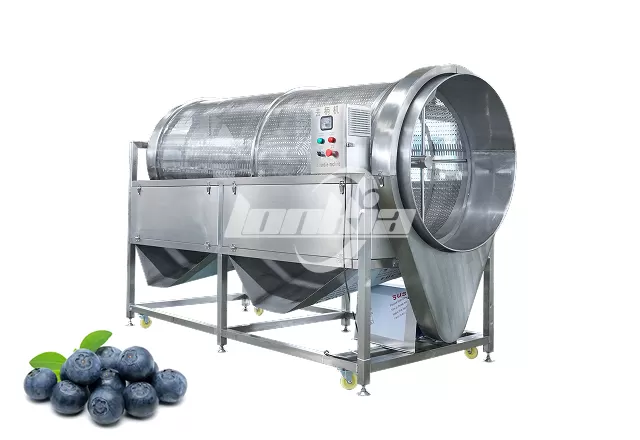
- The potato washing and peeling machine affects raw material processing speed; if the upstream supply is insufficient, it will reduce the operational efficiency of the entire production line.
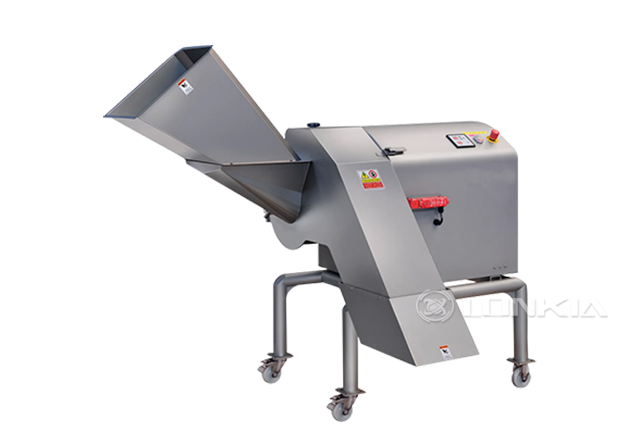
- The French fry cutter determines product specifications and cutting speed. Different customers may require various sizes, such as 7×7 mm or 9×9 mm, so the blade configuration must be selected based on product requirements.
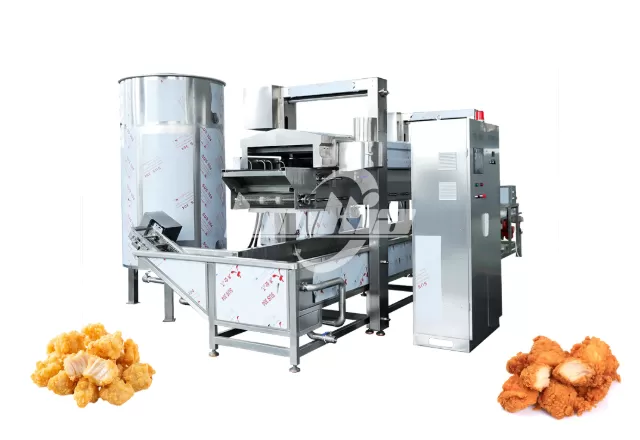
- The continuous fryer is one of the core pieces of equipment affecting production stability; it must ensure uniform temperature control to achieve consistent results for each batch of French fries.
- The IQF freezer determines the processing capacity for frozen products and must be matched to the frying and conveying speeds of the upstream processes.
Therefore, when planning production capacity, it is essential to consider all equipment comprehensively rather than simply increasing the processing speed of a single machine.
Do Not Overlook Future Expansion Needs
For customers planning a French fry processing project, the French fries processing plant must not only meet current demands but also account for future growth.
A well-designed equipment layout facilitates the addition of processing equipment later on, thereby increasing production capacity. For example, reserving space for conveyors, equipment interfaces, and production areas during the initial construction phase can reduce adjustment costs during future expansions.
Selecting a manufacturer with project experience can help clients with holistic design—from product planning and equipment configuration to production line layout—thereby avoiding production disruptions caused by insufficient capacity planning.
How to Determine the Most Suitable Production Capacity for Your French Fries Production Line?
When selecting the production capacity for a French fries processing plant, we recommend that clients focus on the following questions:
- How many French fries are expected to be produced daily?
- Will the production primarily consist of fresh-cut or frozen French fries?
- Are the target customers foodservice establishments or food retail channels?
- Is the supply of raw potatoes stable?
- Are there plans to expand market reach in the future?
Only by analyzing these factors in light of actual project requirements can a more appropriate equipment solution be selected.
A suitable French fries production line must not only meet current production requirements but also ensure long-term operational stability. Through scientific capacity planning and rational equipment configuration, companies can establish a more efficient French fries processing system, providing reliable support for future market expansion.