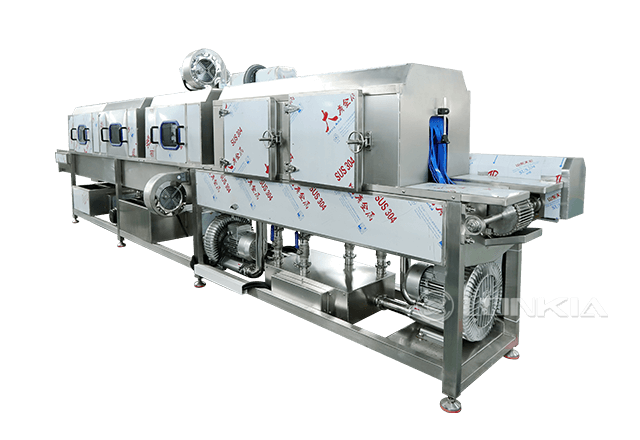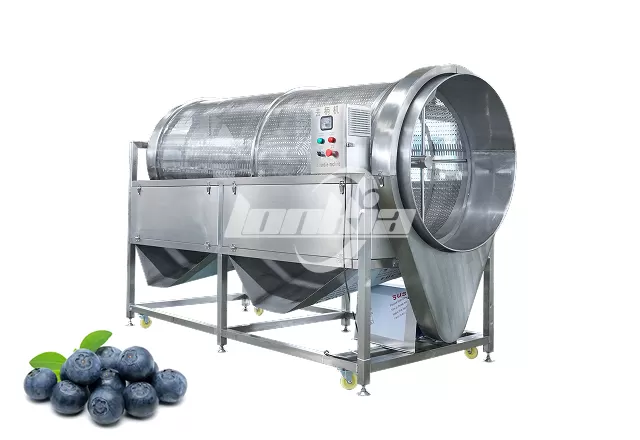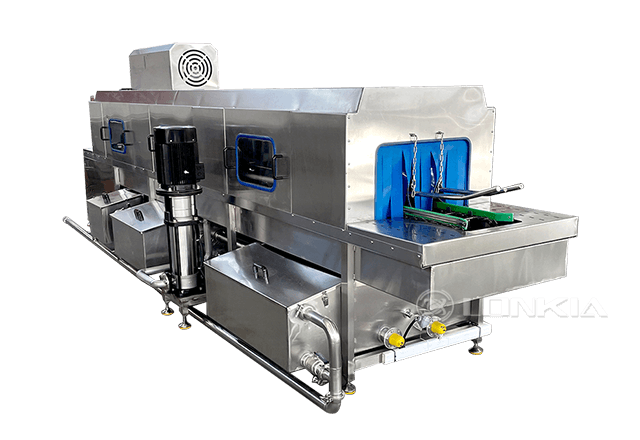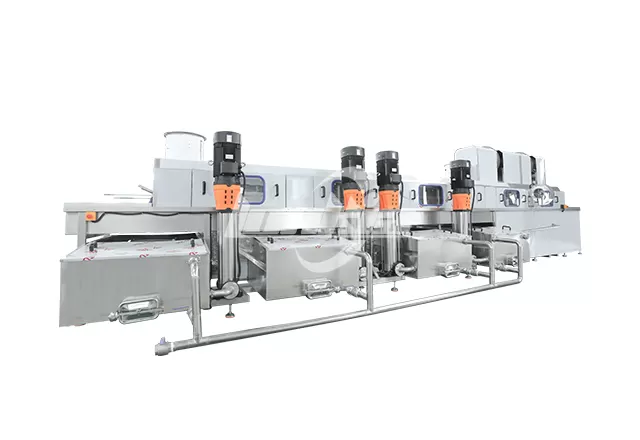
When purchasing an egg tray washer, production capacity is one of the key parameters customers focus on most. Since the volume of plastic egg trays reused varies from factory to factory, it is crucial to select washing equipment with the appropriate processing capacity. If the equipment's capacity is insufficient, it will disrupt subsequent packaging processes; conversely, if the capacity is excessively high, it will result in unnecessary investment costs.
The actual processing capacity of an egg tray washer is typically designed based on tray size, conveyor speed, cleaning method, and equipment configuration. Common models can be configured to meet various output requirements—ranging from several thousand egg trays per hour to higher throughput—to accommodate the needs of continuous egg processing.
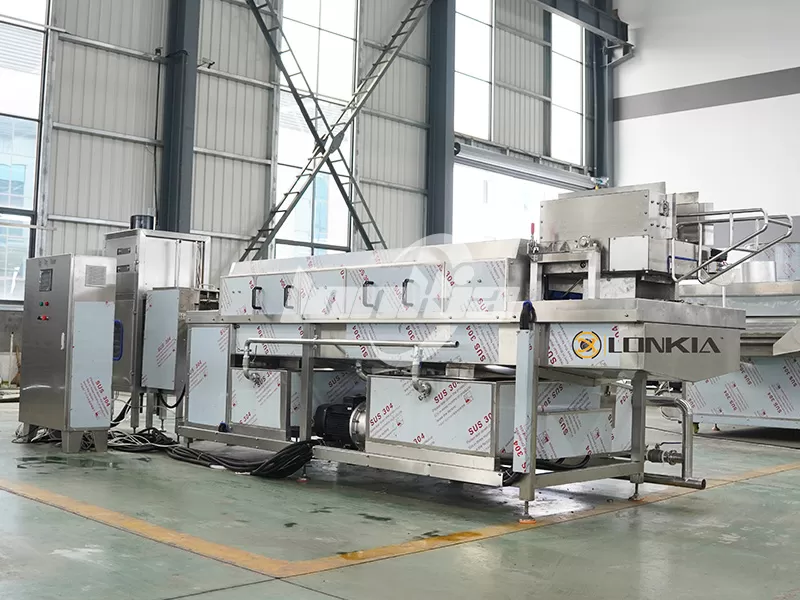
What Determines the Hourly Production Capacity of an Egg Tray Washer?
Many customers believe that the production capacity of an egg tray washer depends solely on the machine's size, but in reality, the equipment's throughput is determined by a combination of factors.
1. Conveyor System Speed
Egg tray washers typically use a continuous conveying method, feeding egg trays into the washing zone via chain plates or conveyor belts. The faster the conveying speed, the more egg trays pass through the washing zone per unit of time.
However, faster is not always better. If the conveying speed is too high, the egg trays will not have sufficient contact time with the water flow, which may affect cleaning effectiveness. Therefore, the operating speed must be adjusted appropriately based on the degree of contamination of the egg trays.
2. Egg Tray Dimensions and Arrangement
Plastic egg trays of different specifications affect the number of trays the equipment can process in a single batch. For example, a 30-egg plastic tray differs in length and width from trays of other specifications and requires a corresponding conveyor structure.
When designing an egg tray washing machine, it is necessary to confirm the tray dimensions, arrangement, and feed/discharge methods to ensure the equipment operates stably and achieves its designed production capacity.
3. Number and Structure of Cleaning Zones
Egg tray washer machines typically include multiple cleaning stages, such as pre-rinsing, high-pressure spraying, recirculating washing, and final rinsing. The more appropriately designed the cleaning zones are in terms of length, the longer the egg trays can remain in each zone, allowing the equipment to maintain stable output while ensuring effective cleaning.
Lonkia designs egg tray washing equipment based on each customer's specific production needs. By optimally configuring the spray system, conveyor system, and cleaning structure, we help customers achieve a stable and continuous egg tray processing workflow.
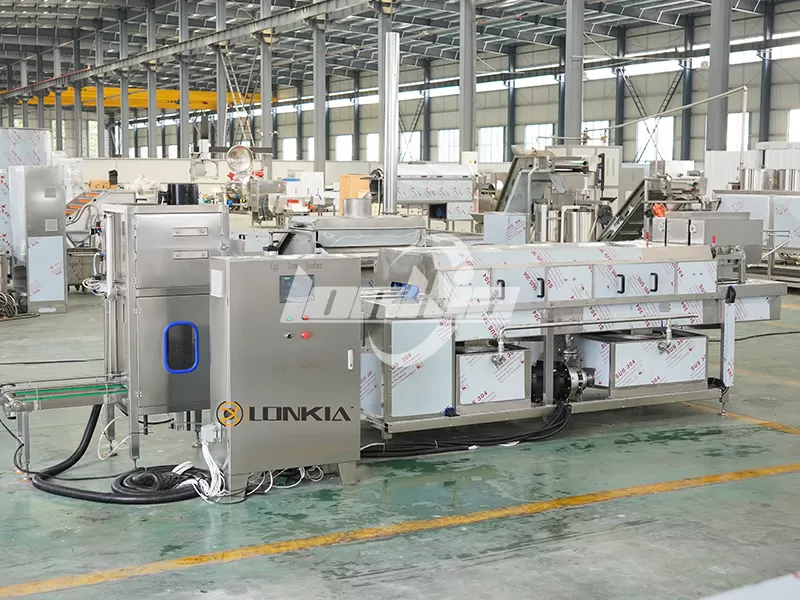
How to Determine the Appropriate Production Capacity for an Egg Tray Washer Based on Your Needs?
When selecting plastic egg tray washer, customers need to perform calculations based on their actual production pace.
For example:
- How many egg trays need to be washed per day;
- Whether egg trays need to be fed continuously into the packaging line;
- Whether automatic loading, de-stacking, and stacking devices are required;
- Whether spin-drying or air-drying is needed after washing.
If the egg tray washer is to be integrated into an automated production line, its capacity should align with that of the upstream and downstream equipment to avoid delays or bottlenecks.
Advantages of an Egg Tray Washer with Drying and Stacking Functions
For businesses that use plastic egg trays continuously, simply washing them is not sufficient to meet production needs. Washed egg trays typically require rapid removal of surface moisture and must be organized in specific quantities.
Egg tray washers equipped with a drying system can reduce residual moisture through spin-drying or other drying methods, making the egg trays more suitable for subsequent use. At the same time, the automatic stacking device neatly arranges the washed egg trays, reducing manual sorting work and improving overall production efficiency.
What Should Be Confirmed with the Manufacturer Before Purchasing an Egg Tray Washer?
To obtain an accurate quote and equipment proposal, customers typically need to provide the following information:
- The number of egg trays to be processed per hour;
- The dimensions and specifications of the plastic egg trays;
- The degree of contamination on the egg trays;
- Whether automatic de-stacking and stacking functions are required;
- Whether a drying system is required;
- On-site conditions such as water, electricity, and steam supply.
This information helps manufacturers match the appropriate equipment configuration, rather than simply recommending a machine based on throughput alone.
Summary
The hourly processing capacity of an egg tray washer is not a fixed number; it is determined by a combination of equipment design, egg tray specifications, conveyor speed, and cleaning configuration. For companies seeking to improve egg tray turnover efficiency, selecting equipment with a capacity that matches their specific production needs is more important than simply pursuing higher throughput.
A properly configured egg tray washing machine must not only ensure effective cleaning but also integrate seamlessly with functions such as destacking, drying, and stacking to achieve a stable and efficient egg tray processing workflow. Through professional equipment solution design, we can help customers establish a smoother egg tray washing process.