In the modern food processing industry, fruit and vegetable washing has become a critical step that significantly impacts product quality. Different types of fruits and vegetables vary significantly in surface structure, moisture content, and the nature of contaminants adhering to them; therefore, they require different washing methods from fruit and vegetable washing machines.
When purchasing fruit and vegetable washing equipment, many processing plants often focus solely on production capacity while neglecting the compatibility between the equipment and the product. If the washing method is inappropriate, it can easily lead to product damage, residual dirt and sand, and reduced efficiency in subsequent processing stages. Selecting washing equipment suited to specific products not only improves cleanliness but also enhances the stability of the entire production line.
Lonkia provides tailored washing solutions based on the characteristics of different fruits and vegetables, helping customers achieve more stable and efficient processing workflows.
Leafy Greens Are Better Suited for Gentle Bubble Washing
Leafy greens such as lettuce, spinach, and Chinese cabbage have a soft structure, and their leaves are susceptible to compression and friction. Excessive cleaning force can easily cause leaf damage, affecting subsequent packaging and sales.
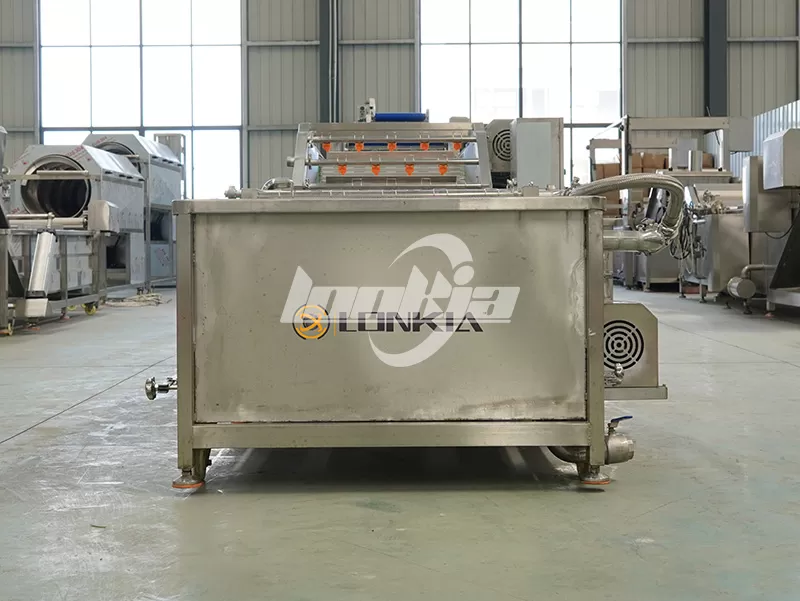
Bubble type fruit and vegetable washing machines are widely used in leafy green processing. The equipment uses a bottom bubble system to create a circulating, tumbling water flow, allowing the vegetables to move slowly in the water and achieve gentle cleaning.
Leafy vegetable washing equipment typically features the following characteristics:
- Uniform bubble agitation to minimize leaf damage
- High-pressure spray for secondary rinsing
- Continuous conveyor structure to improve processing efficiency
- Water recirculation system to maintain consistent cleaning performance
- SUS304 stainless steel construction for easy cleaning and maintenance
For fresh-cut vegetable processing plants, salad production lines, and central kitchens, consistent cleaning results for leafy vegetables are particularly critical.
Root and Tuber Vegetables Require Stronger Cleaning Capabilities
Root vegetables such as potatoes, carrots, ginger, and sweet potatoes often have significant amounts of soil adhering to their surfaces, requiring equipment with greater agitation and rinsing capabilities.
Conventional washing methods struggle to thoroughly remove soil and debris from crevices, whereas continuous brush roller type fruit and vegetable washing machines combine bubble agitation with high-pressure spraying to improve overall cleaning efficiency. Some models can also be equipped with brush mechanisms to further enhance cleaning performance.
When selecting equipment for root and tuber products, key considerations include:
- Water circulation intensity
- Spray system coverage
- Conveyor belt stability
- Continuous processing capability
- Ease of cleaning and maintenance
A stable equipment structure not only improves cleanliness but also facilitates smoother subsequent processes such as peeling and cutting.
Fruit Washing Prioritizes Product Appearance Protection
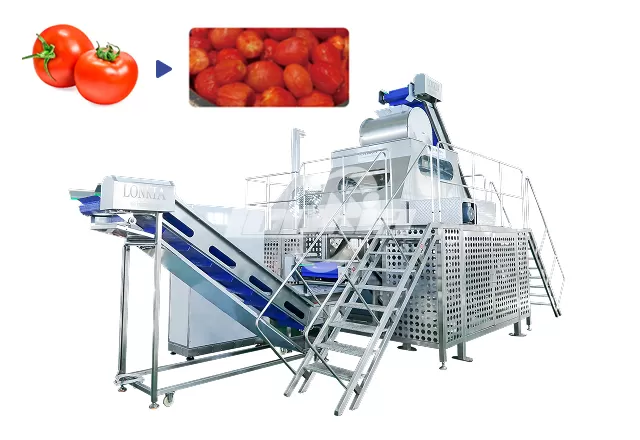
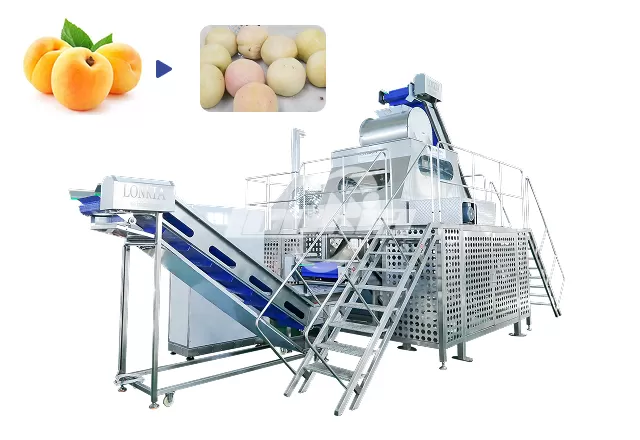
For fruits such as apples, grapes, tomatoes, and strawberries, surface integrity is a top priority during the washing process. Fresh-eating fruits, in particular, are highly sensitive to bruising and scratches.
Therefore, when selecting a fruit and vegetable washing machine, special attention must be paid to the equipment's operational stability and gentle cleaning capabilities. Bubble agitation washing reduces collisions between fruits while using circulating water to remove surface impurities.
Fruit washing equipment typically requires:
- Flexible conveyor structure
- Adjustable bubble intensity
- Uniform spray system
- Stable conveyor speed
- Design to minimize product collisions
For fruit processing companies, effective cleaning not only improves product quality but also reduces the burden of manual sorting in subsequent stages.
Different Cleaning Configurations Suit Different Processing Methods
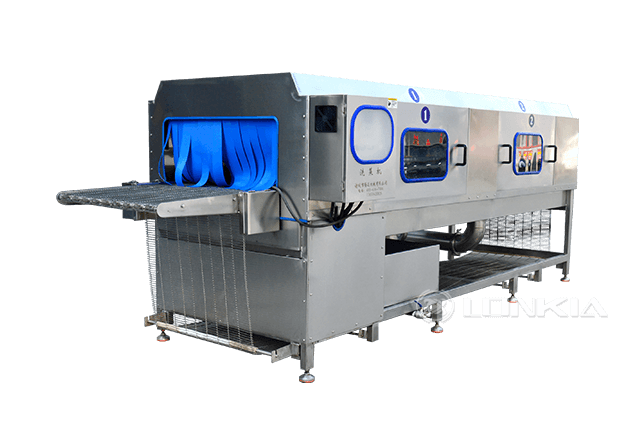
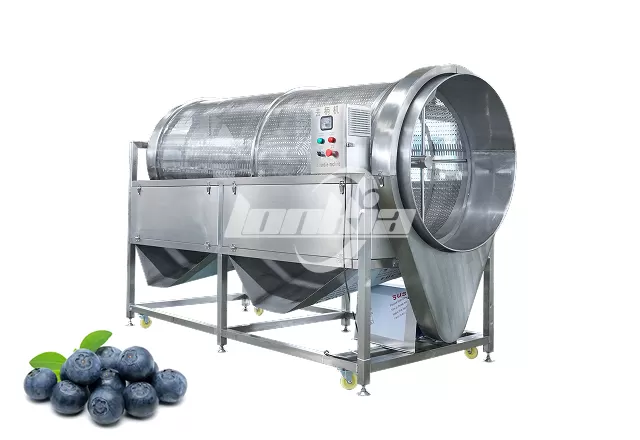
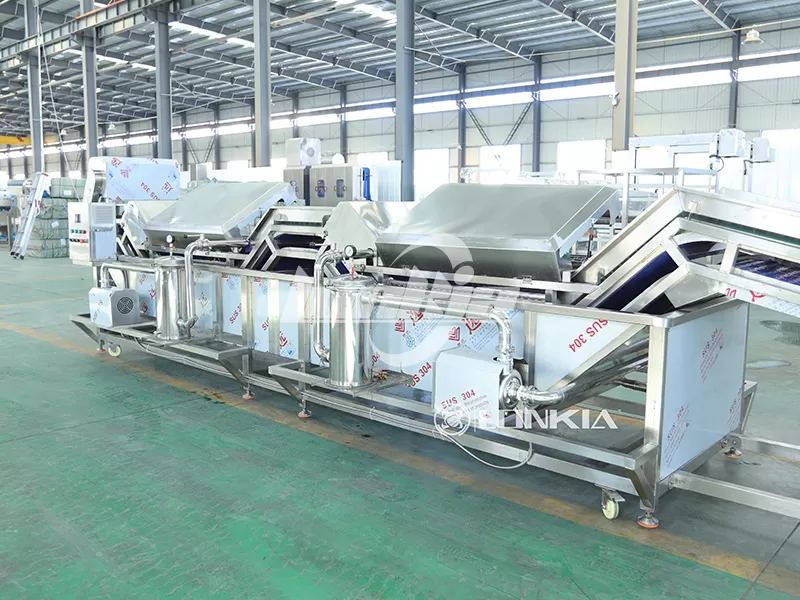
Currently, fruit and vegetable washer machines on the market primarily include bubble washers, spray washers, and tunnel-type continuous washing equipment, with different configurations suited for different products.
Common Equipment Applications:
Bubble Washing Machines
Suitable for:
- Leafy vegetables
- Fruits
- Fragile products
Features:
- Gentle cleaning
- Even tumbling
- Low product damage rate
Spray Washing Machines
Suitable for:
- Products with minimal surface soil
- Simple rinsing processes
Features:
- Fast cleaning speed
- Simple structure
- Easy to maintain
Continuous Tunnel Washing Equipment
Suitable for:
- Continuous assembly line processing
- High-volume production needs
Features:
- High degree of automation
- Stable operation
- Easy to integrate into the entire production line
When selecting fruit and vegetable washing equipment, companies should conduct a comprehensive evaluation based on their product characteristics and production processes.
The Right Washing Equipment can Improve Overall processing efficiency
For modern food processing companies, a stable washing system has become a crucial component in enhancing product competitiveness. High-quality fruit and vegetable washing machines can effectively reduce manual labor, improve product consistency, and alleviate the pressure of subsequent processing.
Lonkia specializes in the manufacture of fruit and vegetable processing equipment and can provide customized washing solutions tailored to clients' specific product requirements, including bubble tumbling, high-pressure spraying, continuous conveying, and complete line integration. Our proven equipment design and stable operational performance help clients achieve more efficient fruit and vegetable processing workflows.