Corn can be processed into various products, such as corn kernels, vacuum-packed corn, and canned corn. Although the raw material is the same, differences in finished product specifications, processing methods, and packaging formats result in varying configuration requirements for corn processing machines.
A well-designed corn processing line is not simply a matter of connecting all the equipment together; rather, it involves determining the processing workflow based on the final product and then selecting the appropriate equipment. This approach not only avoids duplication of equipment functions but also ensures a smooth and stable transition between each process step.
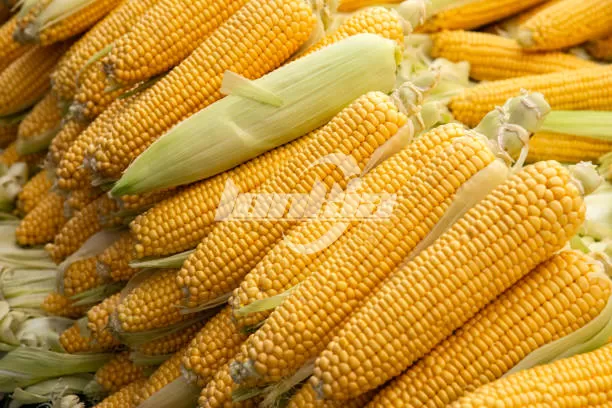
Determining the Core Processing Flow Based on Product Type
Corn Kernel Processing
If the final product is corn kernels, the front end of the line typically requires processes such as dehusking, sorting, cutting, and washing. The corn husk remover removes the outer husks and silks; the corn sorting machine eliminates substandard raw materials; and the corn cob cutter cuts the corn cobs to create suitable feed conditions for subsequent processing.
After cleaning in the bubble washing machine, blanching, cooling, and quick-freezing equipment can be added as required to prepare the corn kernels for subsequent packaging or freezing processes.
Vacuum-Packaged Corn
Vacuum-packaged corn demands higher standards for the integrity and size consistency of the corn cobs. Therefore, equipment configuration must prioritize the husking, sorting, trimming, and washing stages.
After washing, the corn is blanched in a vegetable blanching machine, then cooled and dried to remove surface moisture, before proceeding to the vacuum packaging machine for packaging. If the product requires a further extended shelf life, a retort sterilizer can be added after packaging to perform sterilization.
Canned Corn and Other Packaged Products
For canned corn or other corn products requiring heat treatment, the configuration of downstream equipment will vary. The front-end process still relies on dehusking, sorting, cutting, and washing as a foundation, but subsequent steps require selecting appropriate packaging and sterilization equipment based on the packaging containers, product specifications, and heat treatment requirements.
Therefore, when determining the configuration of the corn processing line, the final product should be clearly defined first.
Which Corn Processing Machine Can Be Adjusted Based on the Product?
Washing and Blanching Equipment
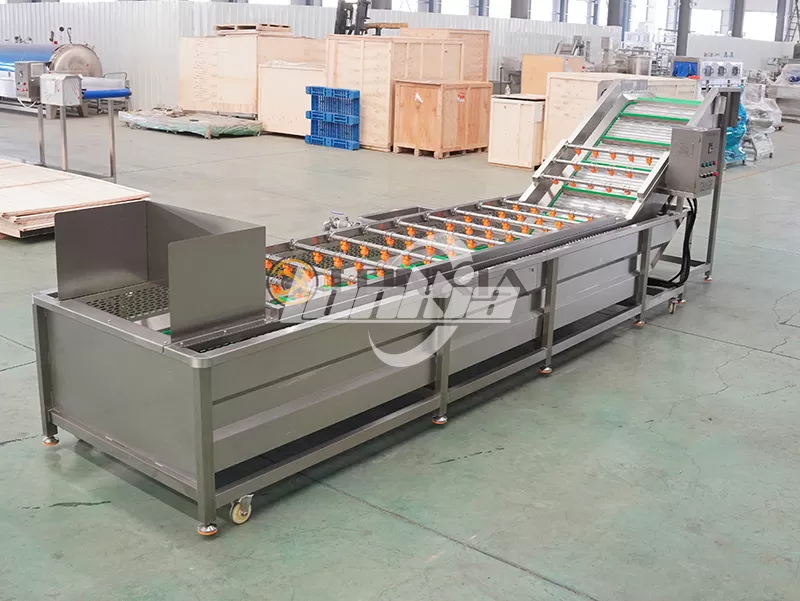
Different products have different requirements for cleanliness and heat-treatment duration. The bubble washing machine removes surface impurities from the corn through bubble agitation and spray washing; the blanching machine requires adjustments to processing temperature and time based on product specifications.
Quick-Freezing Equipment
If producing frozen corn, the quick freezer is a critical downstream processing unit. Its specifications must be determined based on the product form and actual processing capacity to ensure that the corn can enter the quick-freezing stage consistently after blanching and cooling.
Packaging and Sterilization Equipment
The packaging method directly influences the configuration of the sweet corn processing line's back end. Vacuum-packed, bagged, and canned products require different packaging equipment, while the decision to include a retort sterilizer depends on the product's shelf-life requirements and heat treatment process.
What Information Is Needed When Customizing a Corn Processing Machine?
Before designing a sweet corn processing line, we recommend that customers first determine the following parameters:
- Whether the final product will be corn kernels, whole ears of corn, or another form;
- The length, diameter, and maturity of the raw corn;
- The target processing capacity;
- Whether blanching, cooling, and quick-freezing are required;
- Whether the finished product will be vacuum-packed, bagged, or canned;
- Whether post-packaging sterilization is required.
This information helps equipment suppliers determine equipment quantity and specifications, as well as coordination between each process step.
LONKIA Provides Tailored Corn Processing Solutions
LONKIA can configure its corn processing machines specifically based on the type of corn product, processing workflow, and production requirements. From front-end dehusking, sorting, and washing to back-end quick-freezing, packaging, and sterilization, equipment is combined according to actual process needs to help customers establish a more efficient continuous processing workflow.
For customers planning a corn processing project, it is generally more sensible to first determine the product, then the process, and finally the equipment, rather than directly selecting a complete set of fixed equipment. By correctly matching each process step, unnecessary equipment configurations can be reduced, and the entire corn processing line can be better adapted to actual production.