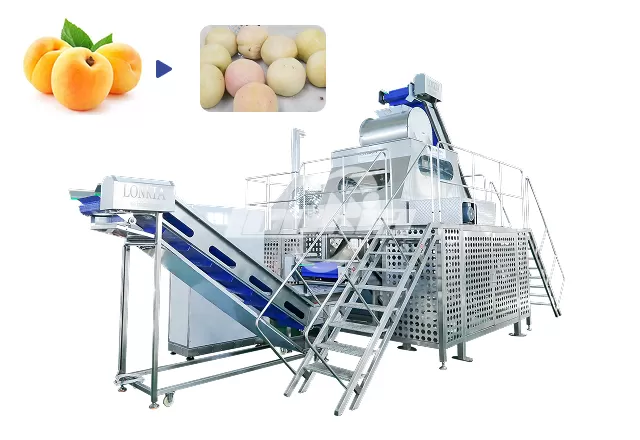
In meat processing, steaming, heating, and browning often directly affect the product's doneness, texture, and appearance. When production shifts from batch processing to continuous production, traditional processing methods may struggle to maintain consistent processing times and results. In such cases, determining whether an industrial tunnel oven is suitable for your production line requires evaluating multiple factors, including the product, output, processing methods, and upstream and downstream equipment.
When Is an Industrial Tunnel Oven Necessary?
An industrial tunnel oven is not an essential piece of equipment for all meat processing projects. However, for production lines that require continuous product conveyance and aim to maintain stable control over steaming times and processing conditions, tunnel-style equipment offers greater practical value.
Meat Products Suitable for Continuous Processing
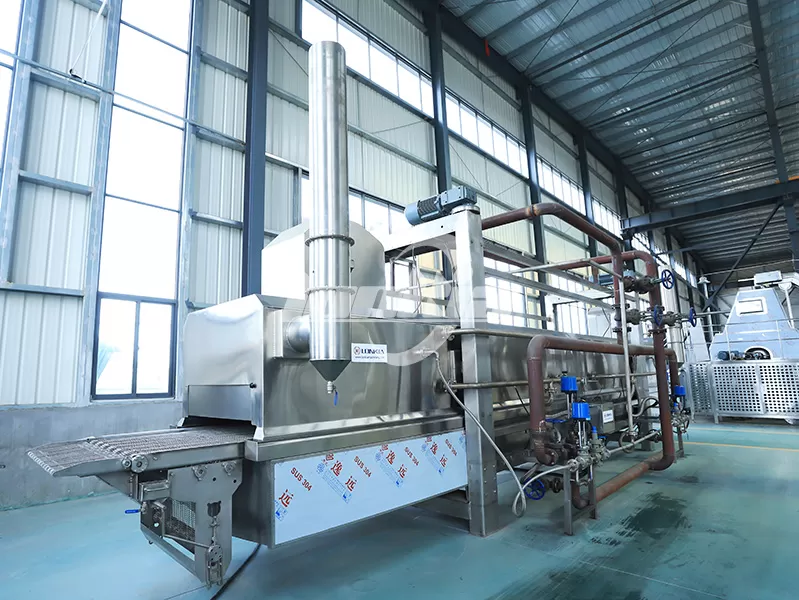
If your product lineup includes sausages, chicken products, chicken nuggets, beef, meat patties, and similar items that require continuous steam heating, a steam tunnel machine can be directly connected to upstream and downstream equipment, allowing products to enter the processing area continuously via a conveyor belt. The equipment heats the products uniformly with steam, while the conveyor speed can be adjusted according to product specifications.
High Requirements for Processing Consistency
If production frequently encounters issues such as inconsistent doneness or unstable processing times, special attention must be paid to steam distribution and conveyor control. Tunnel steamer equipment uses a steam injection and distribution system to rapidly apply steam to the products and maintains a relatively stable processing cycle through continuous conveying.
3 Key Factors for Determining Whether Equipment Is Suitable for Your Plant
1. Do the Product Specifications Match?
The size, weight, and shape of different meat products affect heating time. When purchasing an industrial tunnel oven, you should provide the equipment manufacturer with the product type, unit weight, dimensions, and desired processing results—rather than just a product name.
These parameters help determine the conveying method, processing time, and internal process settings of the industrial tunnel oven.
2. Does Production Capacity Match?
Industrial tunnel ovens must be coordinated in terms of production capacity with upstream equipment (such as forming and filling machines) and downstream equipment (such as cooling and packaging machines). If the upstream process continuously feeds products while the tunnel oven's processing capacity is insufficient, a production bottleneck will occur.
Therefore, when selecting a steam tunnel machine, one must not only consider the equipment's theoretical parameters but also configure it based on the hourly output of the entire meat tunnel steaming and baking line.
3. Is Flexible Adjustment of Processing Conditions Required?
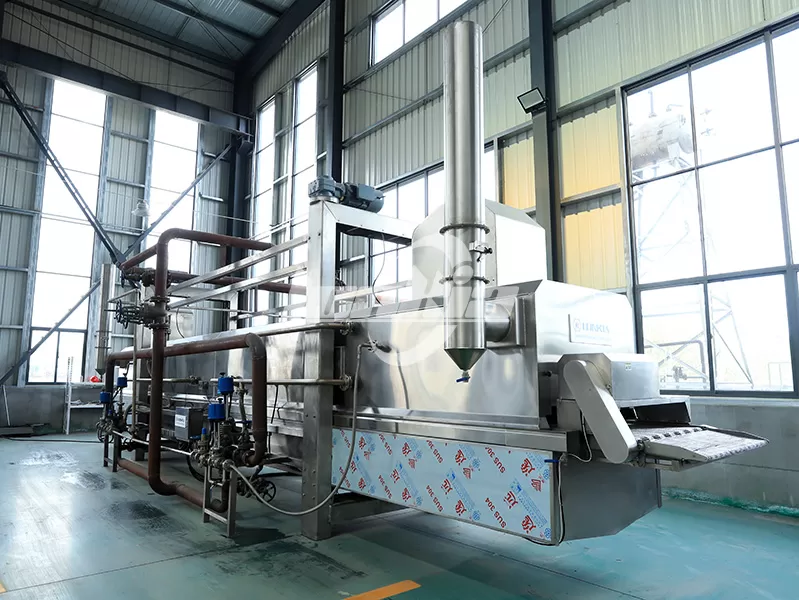
Different products often require different cooking times and processing conditions. Lonkia industrial tunnel ovens feature a relatively independent dual-zone control system, allowing separate adjustment of cooking and baking conditions in different zones; simultaneously, the conveyor speed can be adjusted according to product specifications, thereby altering the product's dwell time inside the equipment.
How Do Industrial Tunnel Ovens Integrate into Meat Processing Production Lines?
For continuous production lines, industrial tunnel ovens are best configured as an integral process step rather than used in isolation. After undergoing preliminary processing, products enter the conveyor system, where they undergo steam heating, cooking, or the appropriate baking and browning treatment inside the tunnel before proceeding to subsequent cooling or packaging stages.
The equipment also incorporates a combination of horizontal and vertical airflow designs to improve baking and browning results.
What Information Should You Provide to the Manufacturer Before Purchasing?
To obtain a more accurate industrial tunnel oven solution, it is recommended to prepare the following information:
- Product name and specific specifications
- Weight and dimensions of a single product
- Target hourly output
- Whether steaming, heating, or simultaneous browning is required
- Estimated processing time or existing process parameters
- Upstream and downstream connecting equipment
- Available floor space at the factory site and conveyor direction
The more complete this information is, the easier it will be for the manufacturer to determine the equipment configuration based on actual production needs, rather than simply quoting a generic model.
Conclusion
If your meat processing production line requires continuous conveying, stable steam heating, adjustable processing times, and process control in different zones, an industrial tunnel oven is worth including in your equipment plan. Lonkia can provide tailored tunnel steam processing solutions based on product specifications, target output, and production line processes, helping customers move beyond individual machine configurations to consider the overall compatibility of the entire production line.
For customers planning a meat products production line, rather than comparing equipment prices in isolation, it is better to first determine the product, output, and processing requirements before selecting an industrial tunnel oven that truly suits the production process.