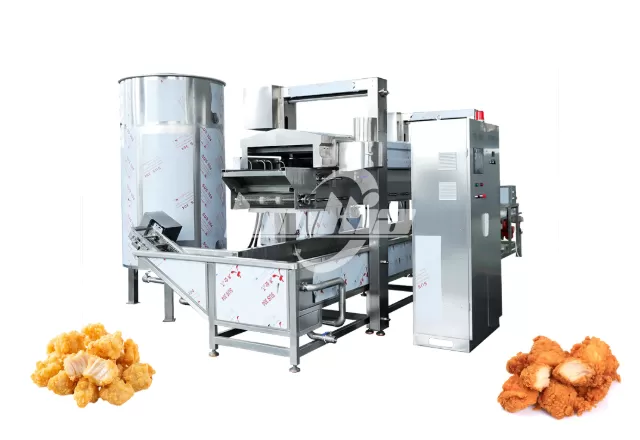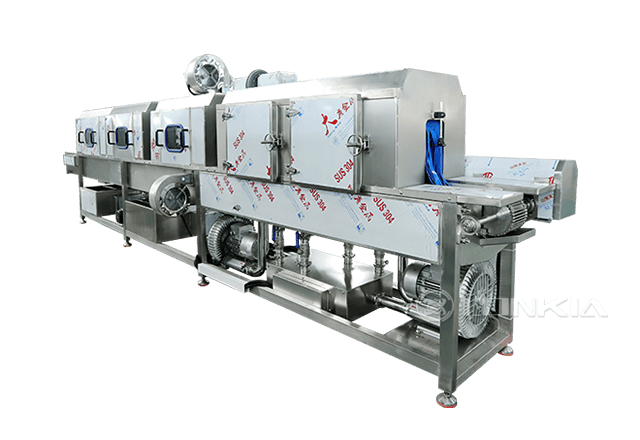
In the food processing industry, plastic crates, pallets, and shipping containers are subject to frequent reuse. If not cleaned thoroughly, residual grease, bloodstains, food debris, and microorganisms can compromise subsequent production processes. As a result, an increasing number of food companies are adopting industrial crate washers to replace traditional cleaning methods, achieving more consistent cleaning results through automated washing and disinfection systems.
For companies purchasing this equipment, a suitable container washer must not only ensure thorough cleaning but also address disinfection capabilities, cleaning processes, equipment design, and long-term operational reliability.
Why Do Food Processing Companies Need an Industrial Crate Washer with Disinfection Capabilities?
Food crates are commonly used in the processing of meat, vegetables, seafood, dairy products, and cold-chain transportation. During prolonged use, various types of contaminants—such as grease, protein residues, soil, and food debris—easily adhere to the surface of the crates.
Conventional cleaning methods often remove only visible surface stains, but their effectiveness may be inconsistent for residues hidden in the crevices of the crates. An industrial crate washer with disinfection capabilities adds a disinfection step to the cleaning process, enabling the crates to meet higher hygiene standards.
For food companies, the value of the disinfection function is primarily reflected in:
- Reducing contaminant residues on the surface of the crates;
- Improving the consistency of cleaning standards;
- Reducing variations caused by manual operations;
- Meeting hygiene management requirements during food production.
How Does Crate Washer Achieve Cleaning and Disinfection?
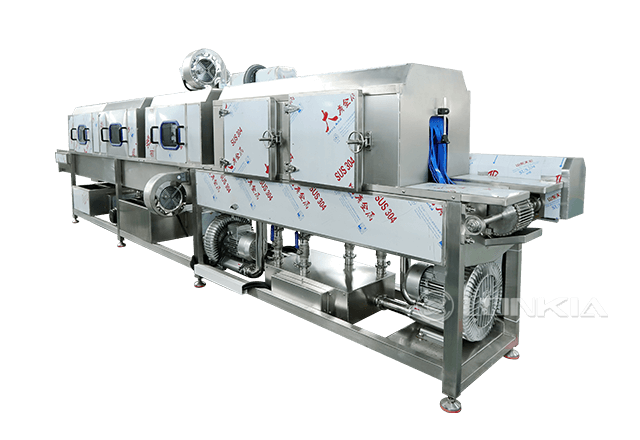
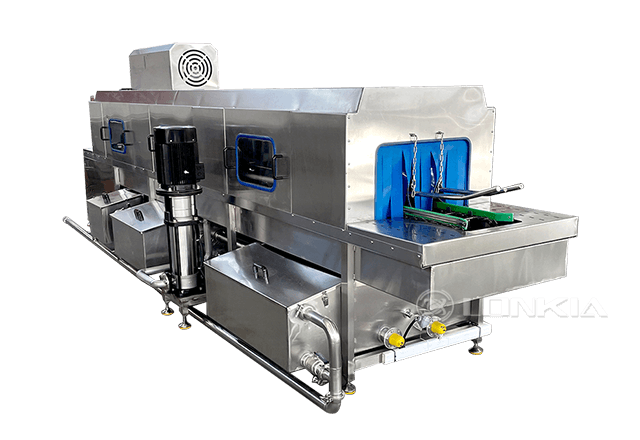
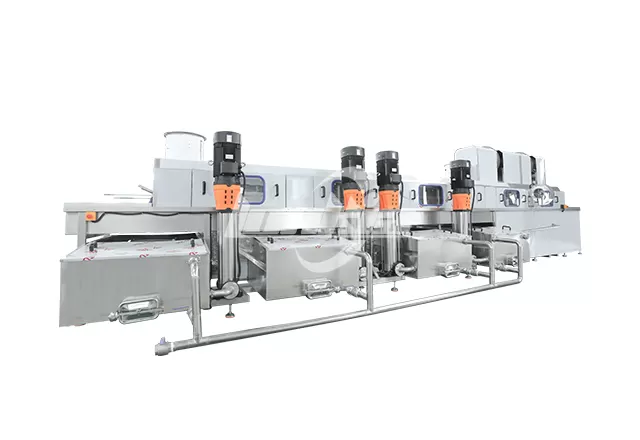
The Lonkia industrial crate washer employs a continuous cleaning design, processing crates through multiple functional zones. The equipment typically consists of a feed conveyor system, a pre-wash zone, a high-pressure wash zone, a rinse zone, and a disinfection section, with functionality configurable according to customer needs.
- Pre-wash System Removes Surface Contaminants: After entering the equipment, the crates first pass through the pre-wash zone. This stage primarily removes loose contaminants—such as soil and debris—adhering to the crate surfaces, preparing them for subsequent deep cleaning.
- High-Pressure Spray System Removes Stubborn Residues: The equipment is equipped with multiple sets of spray nozzles that rinse the crates from various directions. The high-pressure water jets penetrate deep into the crates, effectively removing grease, food residues, and adhered contaminants, thereby enhancing the overall cleaning effectiveness.
- Disinfection System Enhances Hygiene Standards: After cleaning is complete, the crates enter the disinfection stage. Using hot water or a configured disinfection method, the crates undergo further treatment to make them more suitable for repeated use in food production environments.
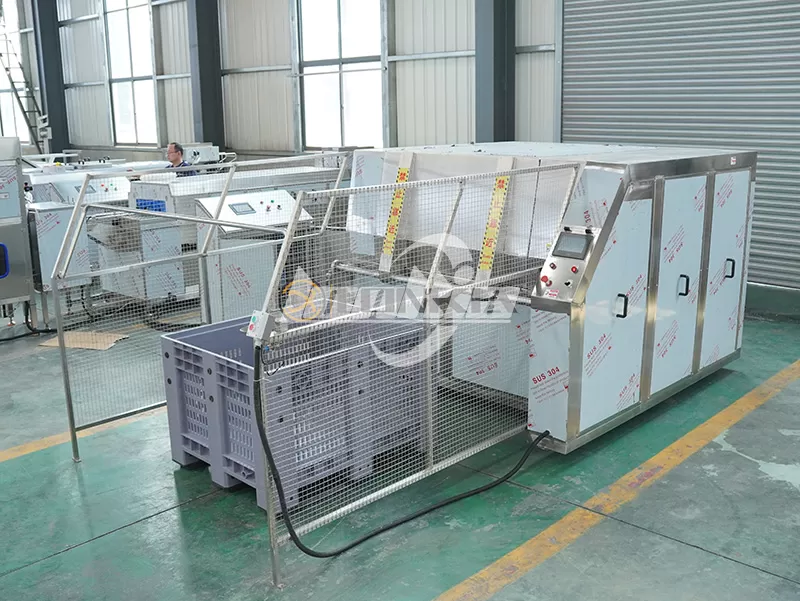
What Specifications Should You Consider When Selecting an Industrial Crate Washer?
Different food companies have varying requirements for crate washing; therefore, when purchasing, you should not focus solely on the crate washer price but also ensure that the machine's specifications meet actual production needs.
1. Does the cleaning capacity match production needs?
Companies need to select the appropriate equipment based on the number of returnable crates used daily. The container cleaning machine's processing capacity should align with the production pace to avoid issues where insufficient cleaning speed impacts production.
2. Is the spray system design reasonable?
The number of nozzles, their installation positions, and spray directions directly affect cleaning effectiveness. A well-designed spray system can cover multiple areas of the returnable crates, improving cleaning thoroughness.
3. Are the equipment materials and structure suitable for the food industry?
Food processing environments place high demands on equipment hygiene and durability. A stainless steel structure is not only easy to clean but also meets the requirements for long-term use. Lonkia provides stable, reliable food processing equipment and offers appropriate configurations based on customers' crate specifications and production requirements.
Conclusion
The cleaning of food crates is a critical step in the food processing workflow. An industrial crate washer equipped with cleaning and disinfection functions can help businesses address issues such as low efficiency in manual cleaning and inconsistent cleaning standards.
When selecting equipment, businesses should focus on the cleaning process, disinfection methods, spray system, equipment structure, and how well the equipment aligns with their specific production needs. By properly configuring cleaning equipment, businesses can establish a more stable and efficient crate handling process, providing reliable assurance for food production.