With the growth of the frozen food market, an increasing number of potato farming enterprises are expanding their operations from raw material supply to value-added processing. Companies with a stable supply of potatoes can, after purchasing automatic French fry maker, further process their raw materials into products such as frozen French fries and snack fries, thereby increasing the added value of their products.
Entering the potato processing sector requires selecting an appropriate processing solution based on the characteristics of the raw materials, product demand, and production goals. As the core equipment, automatic French fry makers must meet long-term operational requirements in terms of processing efficiency, product quality, and production stability.
Why Do Potato Growers Need Automatic French Fry Machines?
Traditional potato sales primarily focus on supplying raw materials, and product value is easily affected by market prices. By installing equipment for making French fries, mature potatoes can be processed into standardized food products, thereby expanding sales channels.
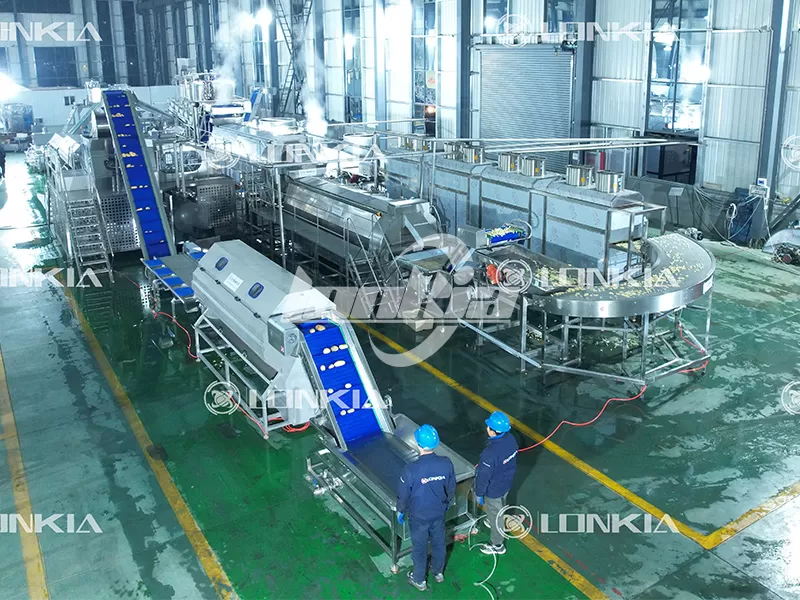
Automatic French fries production line can complete a continuous process from potato handling to finished product processing, including multiple stages such as washing, peeling, cutting into strips, blanching, dehydration, frying, and freezing. The entire processing process is precisely controlled by the equipment, ensuring consistent French fry size, color, and texture.
For businesses with a stable supply of potatoes, automatic French fry maker is not only a processing device but also a vital production tool that bridges the gap between farming and food manufacturing.
How to Choose the Right Automatic French Fry Machine?
When selecting equipment, three key factors should be considered:
1. Select Machine Based on the Characteristics of the Potato
Different potato varieties vary in starch content, moisture content, and processing characteristics. A suitable French fries processing machine must adjust processing parameters based on the characteristics of the raw material.
For example, the cutting system must ensure uniform cut sizes and minimize breakage during processing; the blanching system must properly control temperature and time to preserve the fries' internal structure; and the dehydration equipment affects the subsequent frying results.
Therefore, before purchasing French fries making equipment, you should provide the manufacturer with information on the potato variety, raw material size, and target product to determine the most suitable equipment solution.
2. Determine the Production Process Based on the Target Product
Different markets have different requirements for French fries.
If producing frozen French fries, you need to focus on:
- Whether the cut specifications meet market demand;
- Whether the blanching and pre-processing procedures are stable;
- Whether the frying system can maintain consistent product color;
- Whether the freezing equipment can rapidly complete the cooling process.
If producing crispy snack-style french fries, the focus should be on optimizing the cutting method, frying parameters, and subsequent seasoning and packaging processes.
Lonkia offers comprehensive potato processing equipment solutions and can design reasonable production workflows based on a client's product positioning, helping businesses upgrade their operations from raw potato processing to finished product manufacturing.
What Key Equipment Is Included in French Fries Production Line?
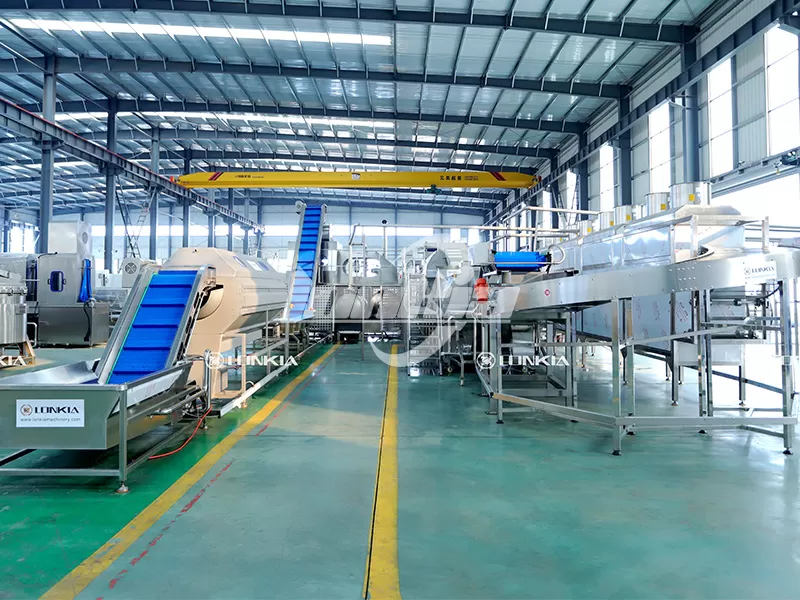
A complete automated French fry production line typically consists of multiple functional units:
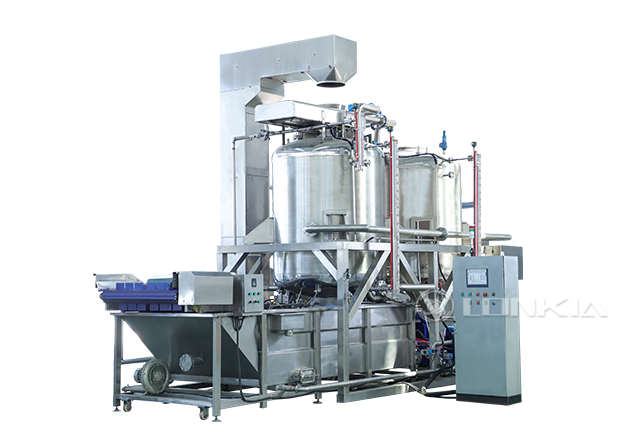
- Potato washing equipment: Removes soil and impurities to provide clean raw material for subsequent processing.
- Potato peeling equipment: Removes the skin through a stable processing method to improve product appearance.
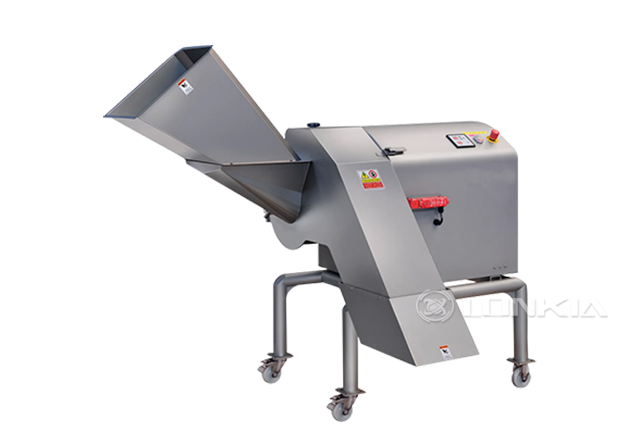
- French fry cutter: Uses a specialized blade system to cut potatoes into uniformly sized French fries.
- Blanching equipment: Improves the color and texture of the French fries, preparing them for subsequent frying.
- Dehydration equipment: Reduces surface moisture to enhance stability during the frying process.
- Continuous frying equipment: Precisely controls oil temperature and processing time to ensure consistent product quality.
- Quick-Freezing Equipment: Rapidly lowers product temperature to preserve the quality of frozen french fries.
By appropriately configuring this equipment for making French fries, a continuous processing workflow can be established, enhancing the stability of the production process.
What Questions Should Be Clarified Before Purchasing Automatic French Fry Machine?
To avoid selecting incompatible automatic French fry maker, it is recommended to confirm the following information before purchasing:
- Planned hourly processing capacity in kilograms of potatoes;
- Target product specifications and dimensions;
- Potato varieties and raw material conditions;
- Whether frozen products need to be produced;
- Subsequent packaging methods;
- The facility's existing production conditions.
This information helps equipment manufacturers provide more accurate configuration recommendations rather than simply recommending standard equipment.
Summary
Automatic French fry makers involve multiple processing stages, and each piece of equipment must work seamlessly with the others. Professional manufacturers must not only supply equipment but also provide comprehensive solutions tailored to the customer’s raw materials, product requirements, and production processes.
Lonkia specializes in the research and development of food processing equipment and can provide integrated configurations for potato washing, cutting, frying, freezing, and related processes, helping potato enterprises establish a stable processing system and achieve a transition from raw material supply to food manufacturing.
For companies planning to enter the field of value-added potato processing, selecting the right equipment for making French fries is a crucial step toward enhancing product value and establishing stable production capacity. With proper equipment planning, high-quality potatoes can be transformed into more competitive food products.