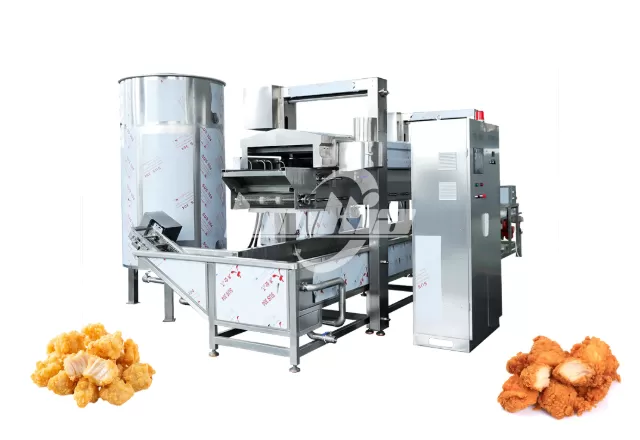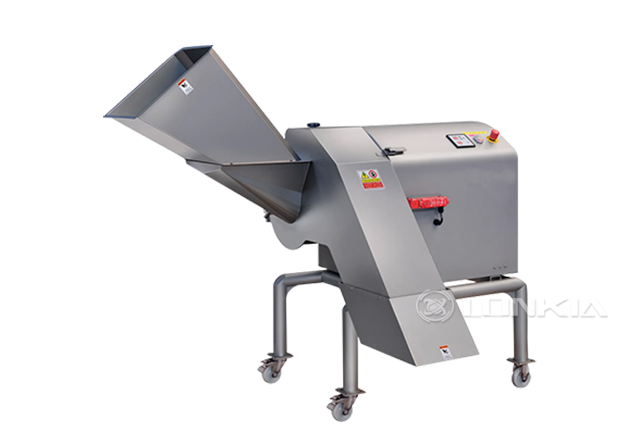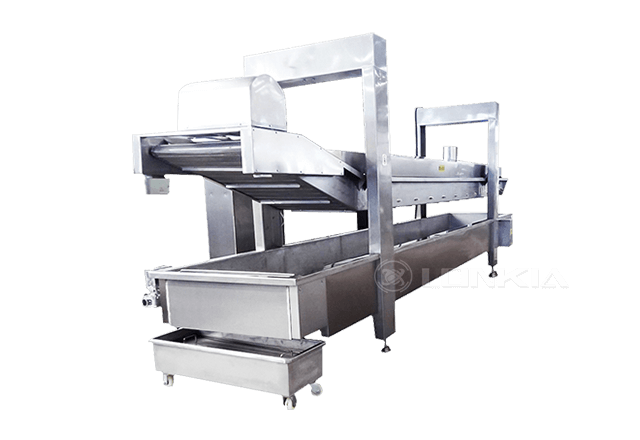
When purchasing industrial fryers, many buyers focus on the industrial deep fryer price. However, what truly impacts long-term profitability is often not the initial purchase cost, but whether the equipment's configuration can enhance production stability, reduce operating costs, and ensure product quality. While industrial fryers from different manufacturers may look similar, differences in configuration directly affect equipment performance and the user experience down the line. Continuous industrial fryers can typically be configured with different features based on product characteristics, so understanding which configurations are worth investing in is particularly important for managing budgets and maximizing return on investment.
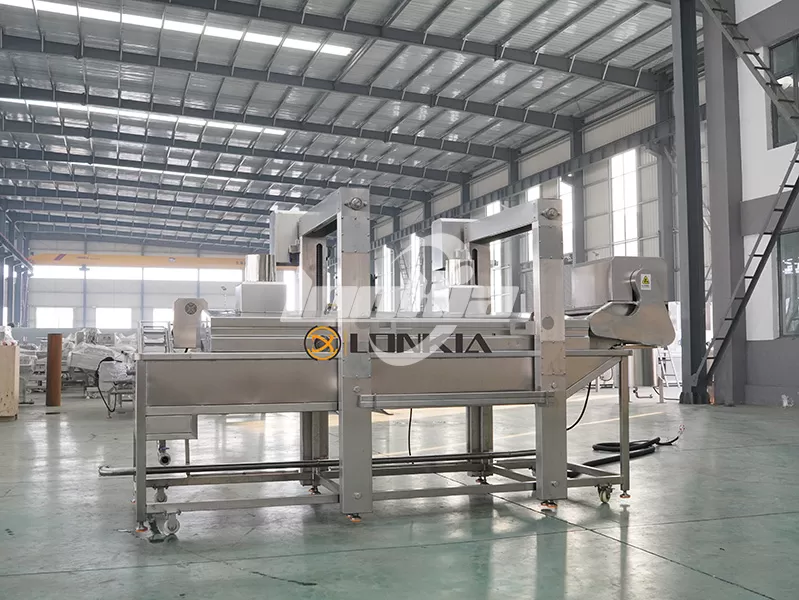
Temperature Control System: The Key to Product Consistency
Stable oil temperature is a critical factor affecting frying quality. High-quality industrial fryers typically employ intelligent temperature control systems that monitor oil temperature fluctuations in real time and automatically adjust heating power to maintain a stable temperature throughout the frying zone.
For continuously produced items such as potato chips, French fries, nuts, and meat products, precise temperature control not only minimizes color variations but also prevents product charring caused by localized overheating, thereby improving the consistency of the finished goods. At the same time, stable temperatures reduce energy waste caused by oil temperature fluctuations.
Automatic Filtration System: A Key Feature for Reducing Cooking Oil Costs
When requesting quotes, many customers focus solely on the industrial deep fryer price while overlooking the fact that cooking oil is one of the major long-term production costs.
A continuous filtration system removes oil sludge and impurities during production, slowing the rate of oil degradation, keeping the oil clean, and extending the service life of the frying oil. At the same time, filtered oil delivers better frying results, reducing black spots and impurities on the product surface and improving the product's visual quality. Therefore, an automatic filtration system is typically one of the configurations worth prioritizing.
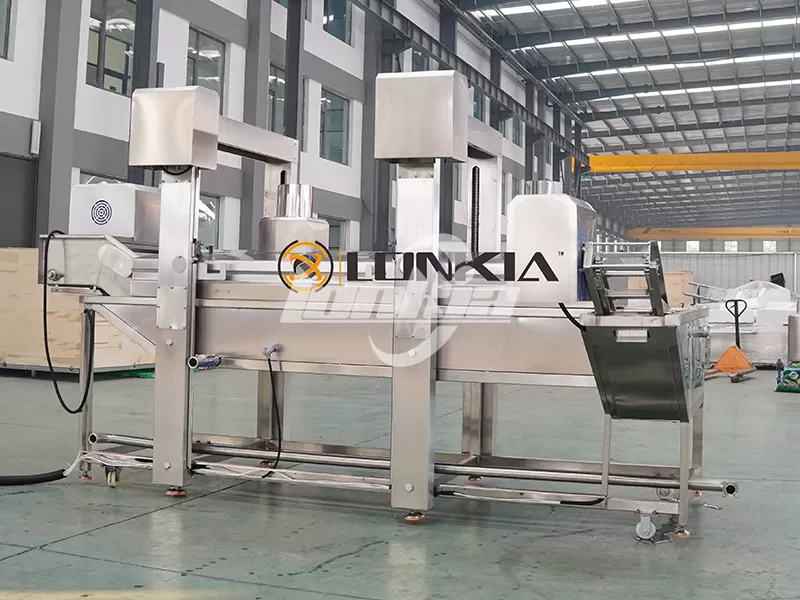
Double-Layer Mesh Belt Structure: Enhancing Stable Product Conveyance
For foods that tend to float or roll, such as potato chips, banana chips, and meat patties, the double-layer mesh belt design effectively secures the products in place, ensuring stable movement during the frying process.
Compared to conventional conveying methods, the double-layer mesh belt reduces issues such as product overlapping, deformation, or uneven heating, resulting in a more uniform frying color and minimizing quality fluctuations caused by product floating. This configuration offers significant value to food processing companies seeking stable production.
Variable-Frequency Conveyor System: Adapting to Different Product Processes
Different foods require different frying times, so the ability to adjust the conveyor speed directly impacts the equipment's versatility.
With a variable-frequency speed control system, operators can flexibly adjust the conveyor speed based on product thickness, moisture content, and process requirements, enabling the processing of multiple products without frequent equipment changes. This not only improves equipment utilization but also opens up more possibilities for companies to develop new products in the future.
Easy-to-Clean Design: Reducing Downtime for Maintenance
Continuous food fryers come into contact with large amounts of oil and food residue daily. If cleaning is inconvenient, it increases the maintenance workload and affects the equipment's continuous operation.
Currently, well-established industrial fryers typically feature a lift-out design, making components such as the mesh belt and oil tank easier to access and clean. The food-grade 304 stainless steel body is not only corrosion-resistant but also facilitates daily maintenance, helping to extend the equipment's service life. For companies engaged in long-term continuous production, this design effectively reduces downtime and improves production efficiency.
How to Determine Which Configurations Are Worth Investing In?
When purchasing an industrial deep fryer machine, it is not recommended to focus solely on the quoted price; instead, you should comprehensively evaluate the equipment configuration by considering product type, daily output, and future production plans. Temperature control, automatic filtration, dual-layer conveyor belts, variable-frequency conveyance, and easy-to-maintain designs are all key features that directly impact production efficiency and product quality.
Lonkia's continuous industrial fryers can be optimized to meet specific food processing needs, helping customers achieve higher equipment utilization and lower long-term operating costs while ensuring stable production. Choosing a configuration that truly meets production needs offers greater long-term value than simply pursuing a low purchase price.