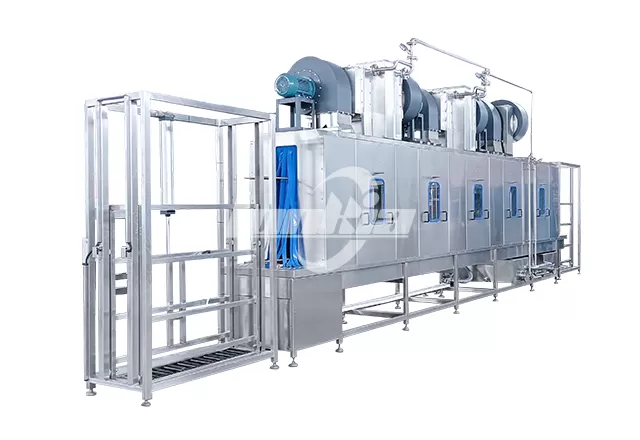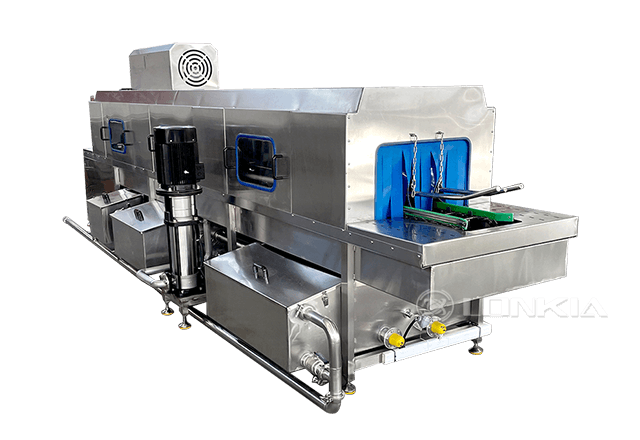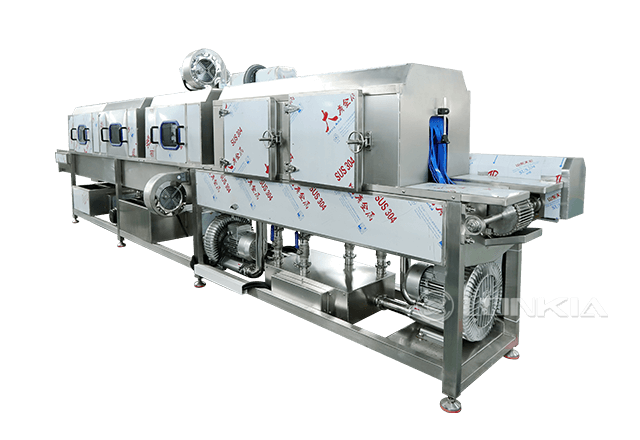
In industries such as food processing, central kitchens, and logistics distribution, hand carts are frequently used for transportation, but they are also major carriers of contamination and bacterial residue. If not cleaned properly, this not only affects production efficiency but also poses hygiene risks. So, is investing in a trolley cleaning machine really worth it? This article will provide a comprehensive analysis to help you make an informed decision.
Core Issues with Traditional Cleaning Methods
Many factories still rely on manual rinsing, but this approach has clear shortcomings:
- Incomplete cleaning, especially of the bottom, wheels, and internal structures
- High and unstable labor costs
- Lengthy cleaning times that disrupt production schedules
- Difficulty meeting standardized hygiene requirements
These issues are precisely the core pain points that customers focus on when upgrading their equipment.
How Trolley Cleaning Machines Solve These Problems?
Modern trolley washer machines utilize automated systems to implement standardized cleaning processes, typically including:
- Pre-rinse: Quickly removes surface debris
- Main cleaning: High-pressure hot water and multi-angle spraying for thorough decontamination
- Rinse: Removes residual cleaning agents
- Drying: Air-drying or hot-air treatment
The multi-angle nozzle design covers the bottom, sides, and internal structures of the trolleys, minimizing cleaning blind spots and ensuring consistent, thorough results
At the same time, the high-pressure spray system washes all surfaces, ensuring every corner is covered.
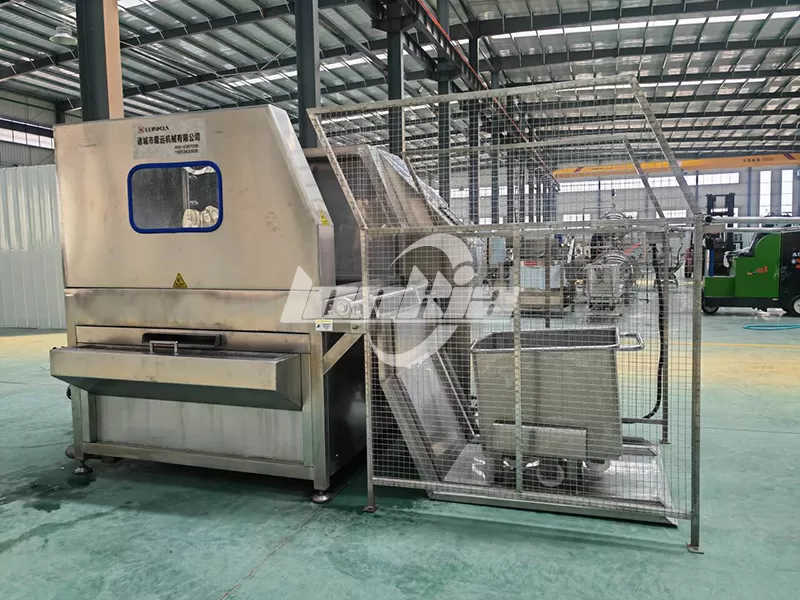
Core Value Provided by the Equipment
1. Significantly Reduces Labor Costs
Automated operation reduces manual involvement; a single trolley washing machine can replace multiple workers, substantially lowering long-term labor costs.
2. Improves Cleaning Efficiency
The equipment enables continuous cleaning, processing multiple trolleys per hour to meet high-intensity production demands.
3. More Consistent Cleaning Results
Compared to manual operations, the machine uses program-controlled processes to maintain uniform standards and eliminate human error.
4. Improved Overall Hygiene Standards
The combination of high-temperature water, detergents, and a disinfection system effectively removes grease, bacteria, and residues, reducing the risk of contamination
Is the Return on Investment Worth It?
In the short term, the initial investment in the machine is indeed higher than manual cleaning. However, from a long-term operational perspective:
- Labor costs continue to rise
- Cleaning efficiency directly impacts production capacity
- Hygiene issues can lead to greater losses
Therefore, a trolley cleaning machine is actually a long-term investment that "reduces risk and improves efficiency," rather than merely an equipment expense.
What to Consider When Selecting a Trolley Washing Machine?
To ensure a return on investment, we recommend focusing on the following:
- Does the spray system provide multi-angle coverage?
- Does it feature a recirculating water and filtration system?
- Does it support trolleys of different sizes?
- Does it include disinfection and drying functions?
- Is the design easy to maintain?
These factors directly determine the trolley cleaning machine's performance and lifespan.
Why Are More and More Companies Choosing Automated Cleaning Equipment?
As food safety standards continue to rise, an increasing number of companies are adopting automated trolley cleaning machine to replace manual operations.
Equipment suppliers like Lonkia are now able to provide structurally stable, thorough-cleaning, and customizable trolley cleaning machine solutions, helping companies improve overall production efficiency while ensuring hygiene standards.
Conclusion: Is It Worth the Investment?
If your facility faces the following challenges:
- Low cleaning efficiency
- High labor costs
- Strict hygiene requirements
Then, a trolley cleaning machine is not only a worthwhile investment but also a crucial step toward improving your production system.
Its core value lies not merely in being a cleaning device but in serving as a key component that continuously reduces costs, boosts efficiency, and ensures quality for your business.