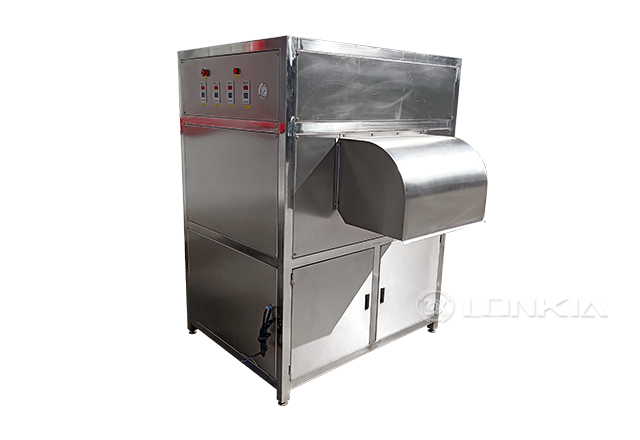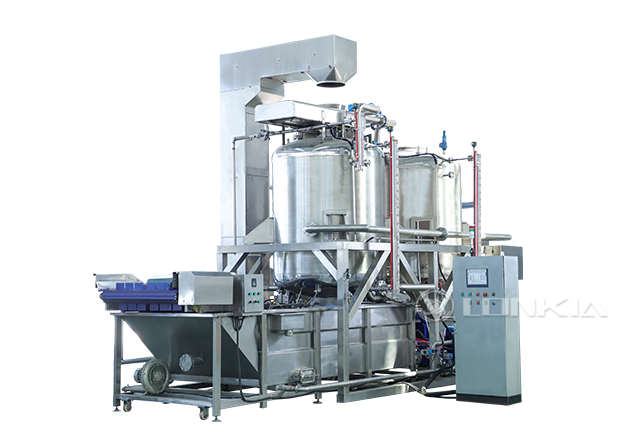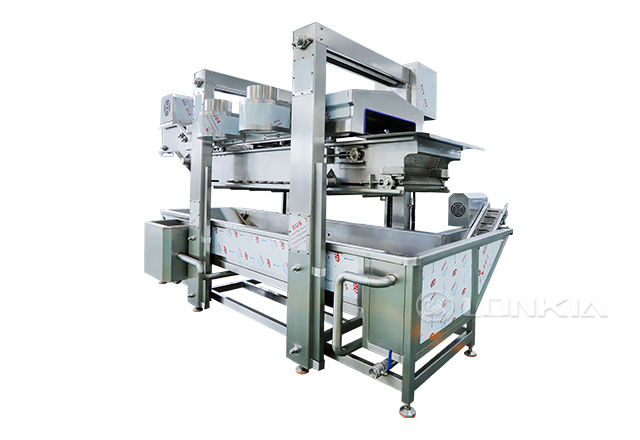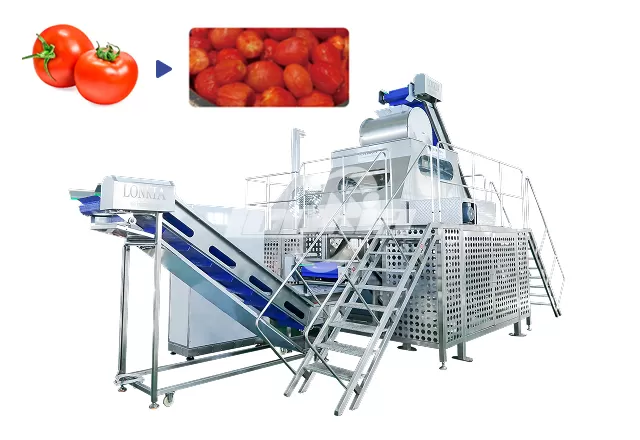
With the growth of the ready-to-cook meal, condiment, frozen food, and central kitchen industries, the demand for onion processing continues to rise, as onions are a common ingredient. For food processing companies, selecting the right onion processing machine is crucial not only for production efficiency but also directly impacts product quality, equipment operating costs, and long-term maintenance and management. Therefore, it is essential to understand the key selection criteria before purchasing equipment.
Why Are More and More Plants Choosing Onion Processing Machines?
During the onion processing, consistency in dice size, production efficiency, and continuous operation capabilities are often the primary concerns for businesses. Traditional manual cutting is prone to inconsistencies in size, whereas professional onion processing machines enable continuous and stable production, ensuring that every batch maintains the same cutting quality.
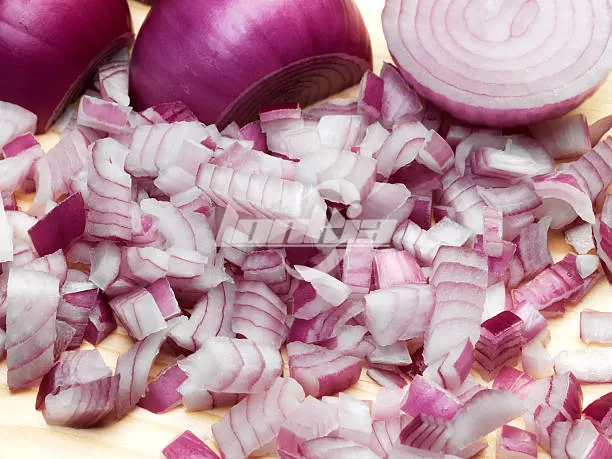
For companies that need to process onion dice, onion granules, or onion flakes on a long-term basis, automated equipment can improve production efficiency while reducing the impact of human factors on product quality.
What Factors Should Be Considered Before Purchasing Onion Processing Machine?
1. Determine Production Capacity Requirements
Different food processing plants have varying requirements for onion throughput.
Before purchasing onion processing machine, it is recommended to confirm:
- The number of kilograms of onions that need to be processed per hour
- The actual daily production duration
- Whether there are plans for future expansion
- Whether the machine needs to integrate with existing production lines
Matching capacity appropriately can prevent waste of equipment resources and ensure that future production needs are met.
2. Confirm Product Cutting Specifications
Different food products have varying requirements for onion cutting sizes.
For example:
- Seasoning production typically requires finer particles
- Frozen vegetables require uniform onion dice
- Central kitchens may require multiple cutting sizes
Therefore, whether the onion processing equipment supports blade set replacement and cutting size adjustment is a key consideration during procurement.
Equipment Design Determines Long-Term Usability
Does Stainless Steel Meet Food-processing Requirements?
Since food processing equipment is constantly exposed to moisture and raw materials, the main body is typically constructed from 304 stainless steel.
High-quality stainless steel construction offers the following advantages:
- Stable corrosion resistance
- Easy daily cleaning
- Compliance with food processing hygiene standards
- Longer service life
Is It Easy to Maintain and Clean?
Many companies focus solely on onion processing machine price during procurement while overlooking long-term maintenance costs.
We recommend focusing on the following:
- Whether the blade assembly is easy to disassemble
- Whether the conveyor components are easy to clean
- Whether the electrical system is easy to inspect and repair
- Whether daily maintenance is simple
Equipment that is easy to maintain can effectively reduce downtime and improve overall production efficiency.
How to Choose a Complete Onion Processing Solution?
For continuous production enterprises, purchasing a dicing machine alone often fails to meet requirements.
A complete onion processing line workflow typically includes:
- Raw material conveying
- Onion peeling
- Washing and processing
- Dicing
- Conveying and collection
A fully integrated line design reduces material transfer steps, improving production continuity and product consistency.
Lonkia can provide tailored onion processing solutions based on customers' product specifications, production capacity requirements, and workshop layouts, helping businesses achieve more stable and efficient production processes.
Supplier Services Are Equally Important
In addition to the equipment itself, the supplier's technical support capabilities are a critical factor in the procurement process.
When selecting equipment, companies are advised to verify:
- Whether installation guidance is provided
- Whether operator training is provided
- Whether spare parts support is available
- Whether the supplier has experience in full-line planning
Comprehensive after-sales service helps companies shorten the time-to-production cycle and reduce operational risks.
Conclusion
Purchasing an onion processing machine is not merely about acquiring a piece of equipment; it is about establishing stable and efficient onion processing capabilities for the enterprise. Production capacity, cutting quality, equipment design, ease of maintenance, and the supplier's service level are all critical factors that influence the final operational performance.
For companies planning to build an onion dicing production line or upgrade existing processing equipment, conducting a thorough evaluation in advance can effectively improve the return on investment. If you are seeking professional onion processing solutions, please contact Lonkia for more detailed equipment configuration recommendations.