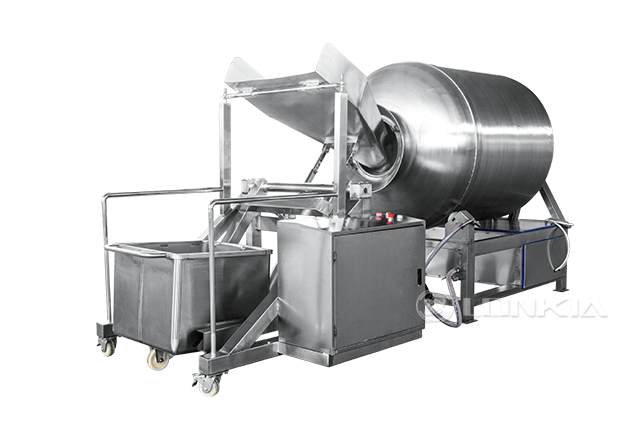
In potato processing, texture is everything. Whether producing French fries, potato wedges, or frozen potato products, achieving the ideal balance between crispy exterior and fluffy interior starts long before frying. The critical first step is blanching.
A potato blanching machine plays a decisive role in preparing potatoes for frying by controlling moisture, starch behavior, and surface structure. This article explains why blanching is essential and how industrial blanching machines help processors deliver consistent, high-quality fried potato products.
Why Potatoes Must Be Blanched Before Frying
Raw potatoes contain enzymes, sugars, and surface starch that negatively affect frying performance. Without proper blanching, processors often face:
Uneven browning
Excess oil absorption
Soft or soggy texture
Inconsistent color after frying
Blanching stabilizes the potato structure and prepares it for optimal frying results.
What Is Potato Blanching?
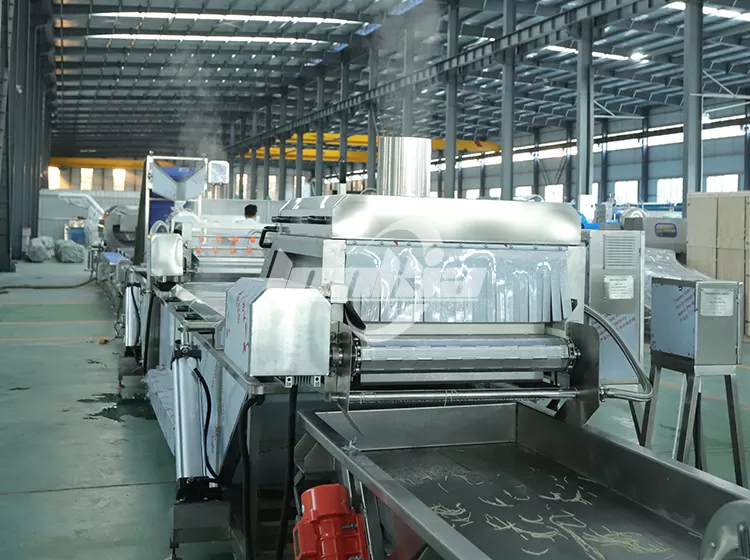
Potato blanching is a controlled heat treatment where sliced, diced, or cut potatoes are exposed to hot water or steam for a precise time, followed by cooling. Unlike cooking, blanching is designed to modify internal and surface characteristics without fully cooking the product.
Main objectives of potato blanching
Enzyme deactivation
Sugar reduction
Partial gelatinization of surface starch
Texture stabilization
Improved frying performance
How Potato Blanching Improves Frying Quality
1. Controls Sugar Levels for Better Color
Excess reducing sugars cause dark or uneven color during frying. Blanching helps:
Leach out excess sugars
Promote uniform golden color
Prevent over-browning
This is essential for commercial French fry production.
2. Optimizes Texture Before Frying
A potato blanching machine ensures:
Firm exterior structure
Soft, fluffy interior after frying
Reduced surface damage during handling
Proper blanching prevents fries from breaking, sticking, or deforming during frying.
3. Reduces Oil Absorption
Blanching partially gelatinizes surface starch, creating a protective layer that:
Limits oil penetration
Produces a crisp outer texture
Improves mouthfeel
Lower oil absorption also supports healthier finished products.
4. Ensures Consistency at High Volume
Manual blanching leads to uneven results. An industrial potato blanching machine provides:
Accurate temperature control
Consistent blanching time
Uniform heat distribution
This guarantees consistent texture and appearance across every batch.
Why Use an Industrial Potato Blanching Machine?
1. Precision Control
Industrial machines offer:
Adjustable temperature ranges
Variable belt speed or batch timing
Stable processing parameters
This precision is critical for different potato varieties and cut sizes.
2. High Throughput and Efficiency
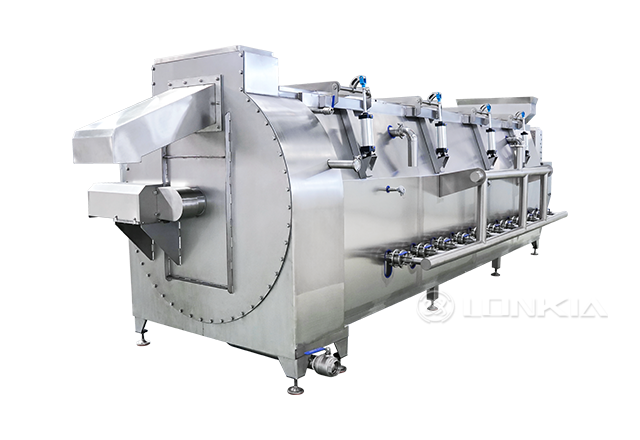
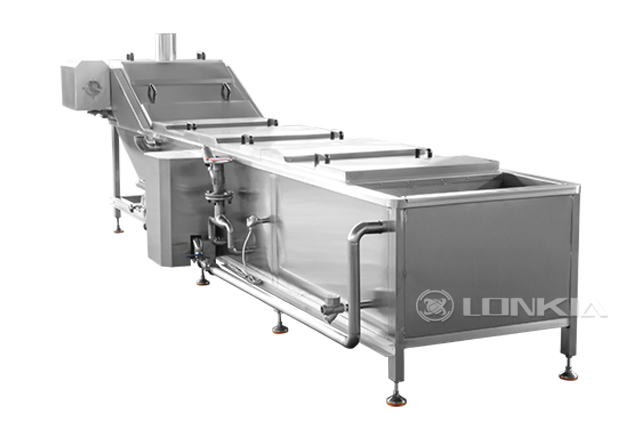
Designed for continuous operation, potato blanching machines:
Handle large production volumes
Reduce labor dependency
Increase processing efficiency
They are ideal for frozen French fry plants and snack food factories.
3. Integration with Frying Lines
Potato blanching machines integrate seamlessly with:
Cutting machines
De-watering systems
Fryers
Freezers
This creates a smooth, automated potato processing line.
4. Energy and Water Optimization
Modern blanching machines feature:
Heat recovery systems
Insulated chambers
Controlled water circulation
These features reduce operating costs while maintaining high performance.
Applications of Potato Blanching Machines
Potato blanching machines are widely used for:
French fries
Potato wedges
Hash browns
Diced and sliced potatoes
Frozen and par-fried products
They support both hot water blanching and steam blanching, depending on production requirements.
Conclusion
A perfect fried potato product begins with precise preparation. Potato blanching machines are essential for controlling texture, color, and frying performance—ensuring that every batch meets commercial quality standards.
By investing in a reliable industrial blanching machine, processors gain:
Superior texture control
Consistent frying results
Reduced oil absorption
Higher production efficiency
For manufacturers focused on quality, efficiency, and scalability, potato blanching machines are not optional—they are fundamental.