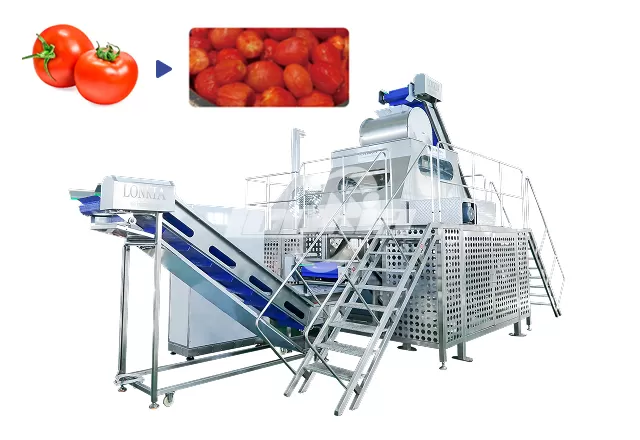
During continuous operation, tomato grading machines may be affected by tomato juice, stems, dust, and other residues. If cleaning is not thorough or key components are not inspected regularly, problems such as poor conveying, inconsistent sorting results, and equipment downtime may occur. Establishing standardized cleaning and maintenance procedures helps maintain equipment performance, reduce unplanned downtime, and extend the service life of key components.
Which Parts Should Be Focused on During the Daily Cleaning of Tomato Grading Machines?
1. Cleaning Conveyor and Grading Components
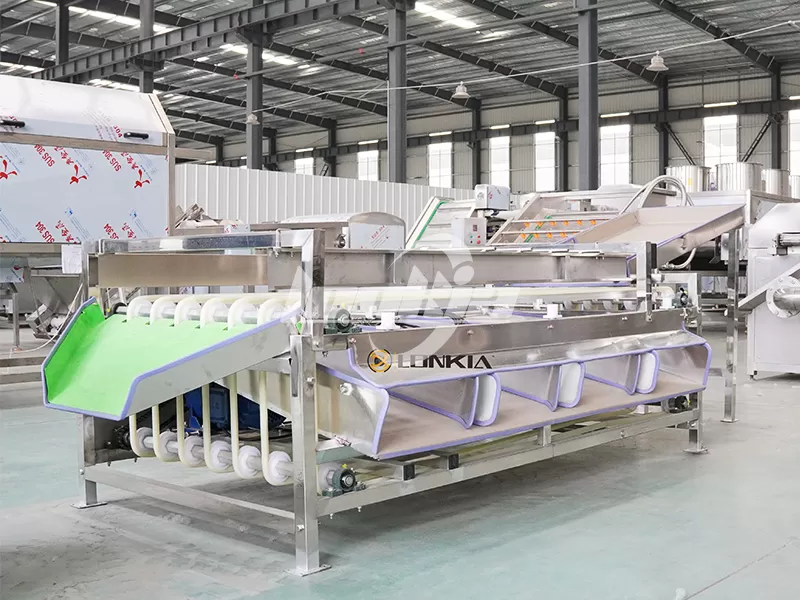
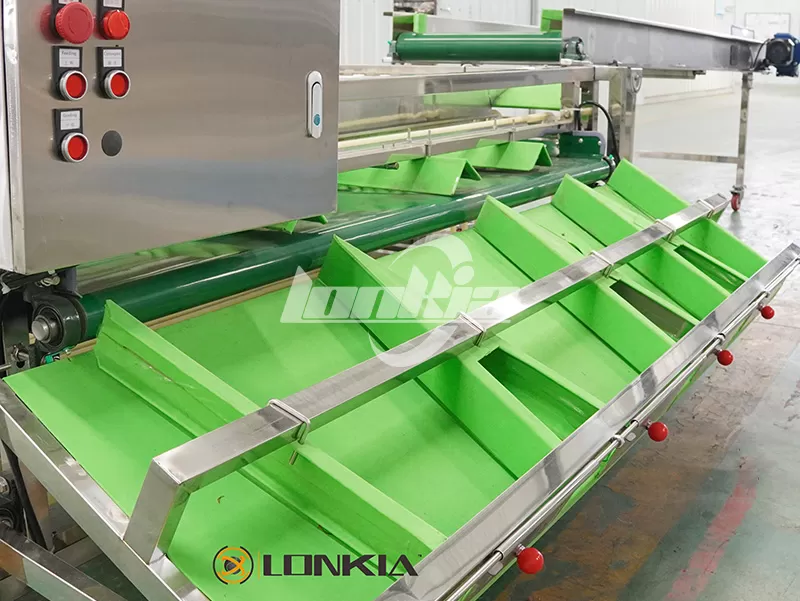
Conveyor belts, rollers, grading channels, and discharge outlets are key areas for daily cleaning. Residue from tomato surfaces, stems, or juice may adhere to these areas, affecting product conveyance and the grading process.
After each production run, remove residues according to the tomato grading machine manual and check for blockages in the grading gaps, transfer points, and discharge channels. For removable parts, disassemble, clean, and reassemble them as specified to prevent operational issues caused by improper installation.
2. Pay Attention to Electrical and Drive Components
Motors, bearings, chains, gears, and control systems also require regular inspection. Before cleaning, shut down the vegetable grading machine and disconnect the power supply to prevent accidental startup. Electrical components must not be washed directly with high-pressure water; follow the manufacturer's instructions for specific cleaning methods.
How to Perform Regular Maintenance on a Tomato Grader?
1. Inspect Parts Prone to Wear
Prolonged operation may lead to conveyor belt slack, roller wear, bearing malfunctions, or loose drive components. Operators should regularly inspect the condition of these parts, checking for unusual noises, vibrations, misalignment, and abnormal heat.
If grading results are found to be gradually deviating from set standards, check the grading spacing, drive condition, and parameter settings rather than simply increasing the operating speed.
2. Inspect the Control System and Operating Parameters
For tomato grading machines equipped with automatic control or vision recognition systems, check whether the sensors, camera devices, and related control parameters are functioning normally. When cleaning relevant areas, take care to avoid scratching the lenses or interfering with sensor positioning.
After each adjustment to the grading parameters, it is recommended to conduct tests using tomatoes of different sizes, record the sorting results for each grade, and confirm that the equipment meets actual production requirements.
How to Reduce Downtime Caused by Maintenance?
1. Establish Cleaning and Inspection Records
Companies can develop daily cleaning, periodic inspection, and wear-and-tear part replacement schedules based on production frequency and equipment operating instructions. Recording the status of cleaning, any abnormalities, maintenance details, and the timing of part replacements helps identify recurring issues.
2. Consider Maintenance Ease During Procurement
When selecting a tomato grading machine, it is important to consider not only processing capacity and grading performance but also whether the equipment is easy to clean, whether key components are easily accessible for inspection, and whether wear-prone parts can be replaced conveniently. A well-designed structure enables operators to perform daily maintenance more efficiently.
LONKIA can assist in evaluating equipment configurations and maintenance requirements based on your product specifications, grading requirements, and production processes, helping you plan a grading solution better suited to your actual production needs.
How to Maintain Long-Term, Stable Grading Results?
The stable operation of a tomato grader depends on standardized operation, timely cleaning, and regular maintenance. We recommend that companies confirm grading parameters before starting formal production and continuously monitor conveyor status, equipment noise, and sorting results during operation.
If you are in the market for a tomato grading machine or wish to improve the cleaning and maintenance processes for your existing equipment, please provide LONKIA with the tomato specifications, target grading grades, and expected processing capacity so we can further evaluate suitable equipment and maintenance solutions.