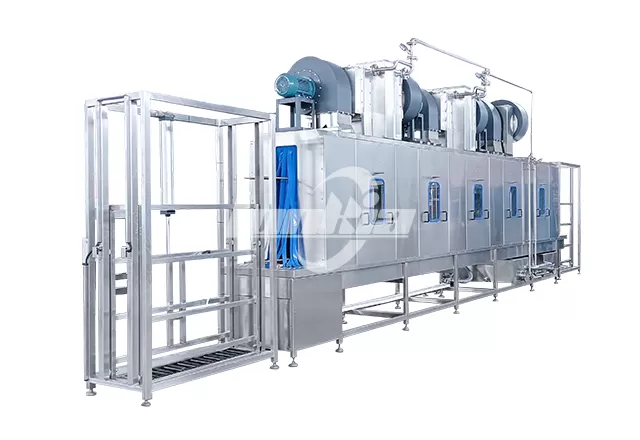
During poultry farming, transportation, and slaughter processing, chicken cages are constantly exposed to contaminants such as feces, feathers, and feed residues. Rinsing with water alone may not thoroughly remove adhered dirt and can also complicate subsequent sanitation procedures. Therefore, selecting the appropriate chicken cage washing machine and properly organizing the cleaning and disinfection processes are crucial steps in improving cage turnover efficiency and maintaining hygiene standards.
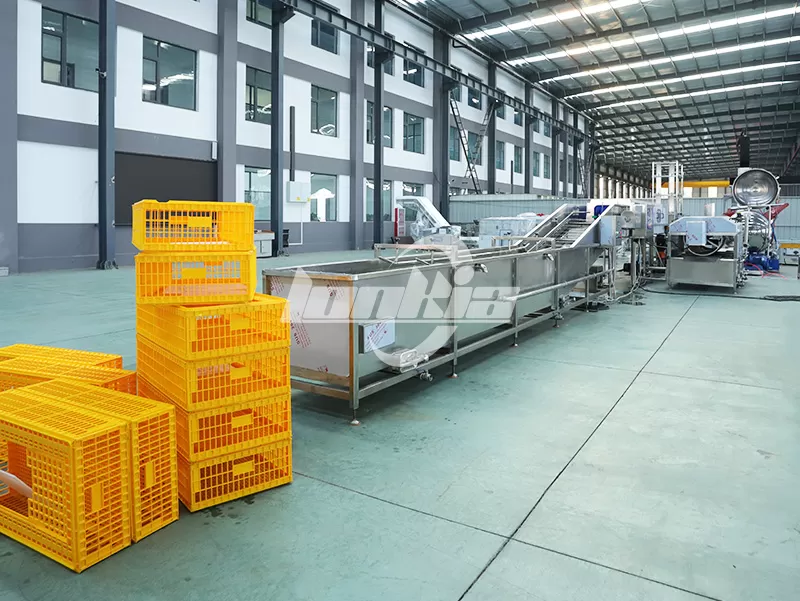
What Is the Difference Between Cleaning and Disinfecting Chicken Cages?
1. Cleaning: Removing Surface Contaminants
The primary purpose of cleaning is to remove feces, feathers, and other residues from the surface of chicken cages. For areas prone to dirt accumulation—such as the mesh, base, and joints—a proper nozzle layout and sufficient rinsing time are necessary to enhance the effectiveness of contaminant removal.
2. Disinfection: Reducing Microbial Risk
Disinfection is the process of reducing target microorganisms under appropriate conditions. Even if the surface of a chicken cage appears clean, one cannot judge the effectiveness of disinfection based on appearance alone. Disinfection effectiveness depends on the quality of the preliminary cleaning, the type of disinfectant, its concentration, contact time, and actual operating conditions.
Therefore, cleaning and disinfection are not interchangeable. For farms and processing facilities with specific hygiene requirements, corresponding disinfection steps should be incorporated based on actual processes.
How Does the Chicken Cage Washing Machine Improve Cleaning Effectiveness?
1. Synergy Between Pre-wash, Main Wash, and Rinse
A well-designed chicken cage washing system typically consists of three stages:
- Pre-wash stage: Removes loose feces, feathers, and other surface residues to reduce the burden on subsequent cleaning stages.
- Main wash stage: Focuses on removing adhered dirt through high-pressure spraying and optimal nozzle placement. Appropriate cleaning agents may be used as needed based on process requirements.
- Rinse Stage: Washes away residual dirt and detergent, improves the final cleanliness of the cages, and prepares them for subsequent sanitization.
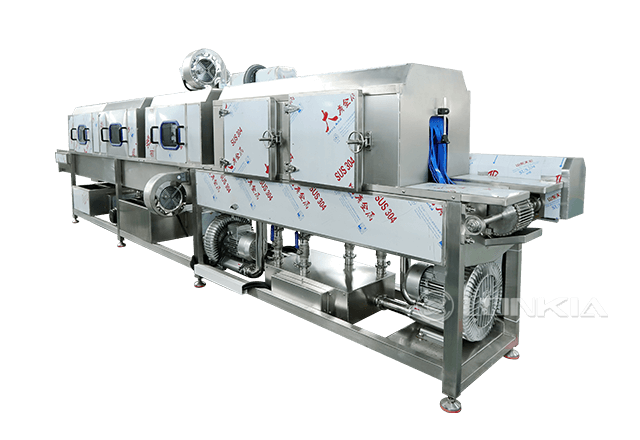
LONKIA chicken cage washing machine features a multi-angle spray design capable of cleaning different surfaces of the cages. Specific cleaning parameters can be determined based on the cage structure, degree of contamination, and the customer's actual processing requirements.
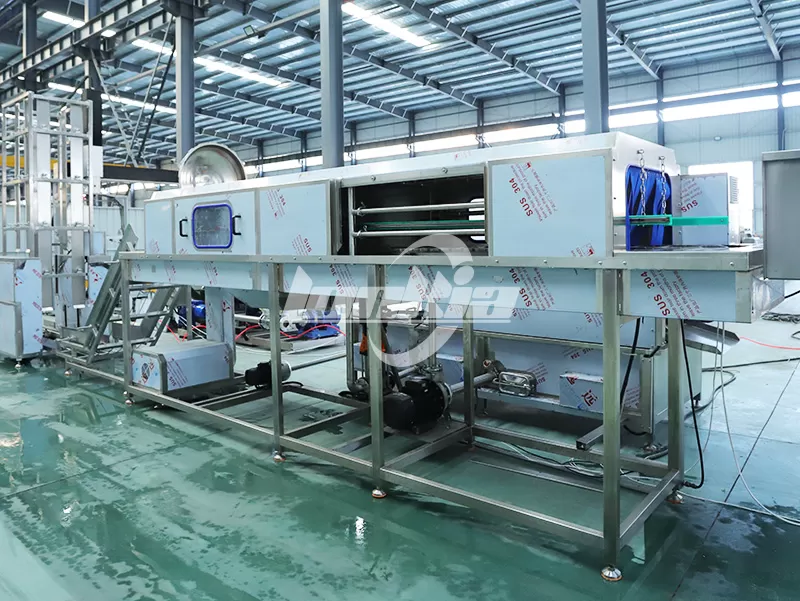
2. How Does the Recirculating Water System Help Control Water Costs?
Under normal cleaning conditions, water consumption per chicken cage is approximately 2–4 L; actual figures may vary depending on the degree of soiling and cleaning requirements.
The chicken cage washing machine utilizes a recirculating water system, allowing relatively clean water from the latter stages to flow back to the front end for use in earlier cleaning stages. By optimally distributing water flow across different stages, the system reduces the continuous demand for fresh water.
However, a recirculating water system does not eliminate the need for water replenishment or replacement. Filtration, drainage, and water quality management remain critical to prevent the continuous accumulation of contaminants that could compromise cleaning effectiveness.
Does a Chicken Crate Washer Require a Separate Disinfection Step?
This depends on the cage's usage scenario, hygiene standards, and intended subsequent use. If cleaned cages need to be immediately reused for the next round of transportation or rearing, the need for a separate disinfection process should be evaluated in conjunction with on-site hygiene management requirements.
When configuring the system, key points to verify include:
- Whether the disinfection method is suitable for the cage material and actual operating environment;
- Whether the disinfectant concentration and contact time comply with product instructions and relevant requirements;
- Whether the disinfection process requires additional rinsing or drying;
- Whether the chicken crate washer's throughput capacity is compatible with the subsequent disinfection process.
It is important to note that standard high-pressure washing is not equivalent to effective disinfection. If hot water or chemical disinfection methods are used, relevant process parameters must be verified; disinfection effectiveness should not be judged solely by water temperature or visual appearance.
How to Select the Right Chicken Cage Washing Equipment?
Before purchasing a chicken cage washing machine, it is recommended to first clarify the cage dimensions, hourly processing capacity, primary types of contamination, cleaning requirements, and on-site installation conditions. Then, confirm the equipment's spray layout, recirculating water system, filtration method, and configuration for subsequent processes.
For companies seeking to improve chicken cage cleaning efficiency, control daily water costs, and establish standardized hygiene procedures, LONKIA can provide tailored chicken cage washing equipment solutions based on actual production needs.
When selecting a chicken crate washer, do not focus solely on cleaning speed; instead, test the cleaning effectiveness using actual chicken cages and verify that the transitions between the cleaning, disinfection, and post-treatment stages are well-coordinated. This ensures the equipment better adapts to daily production needs.