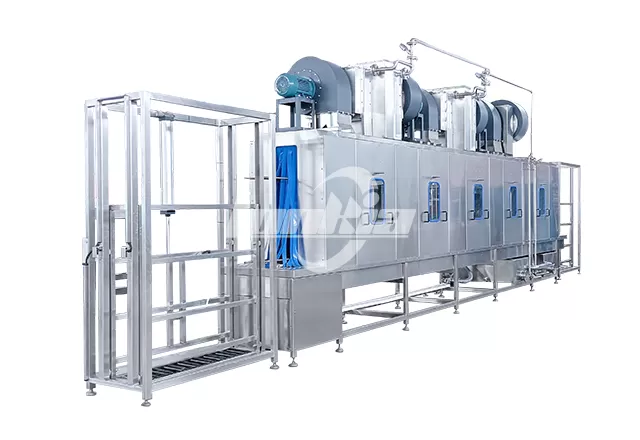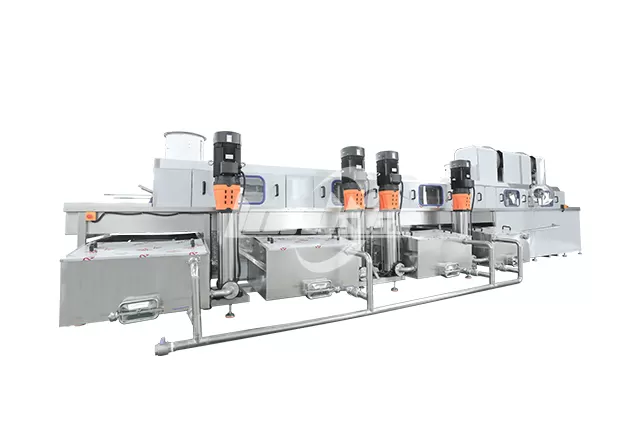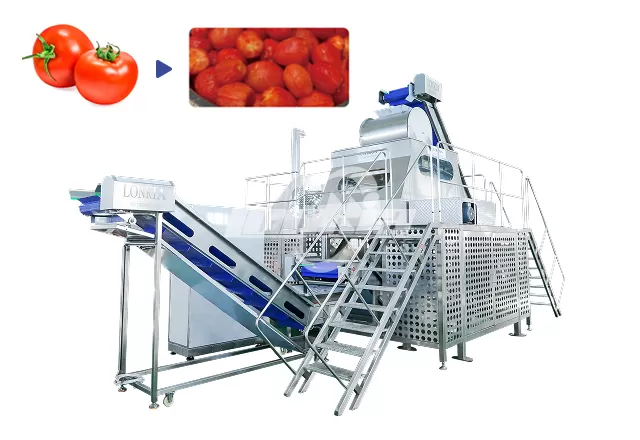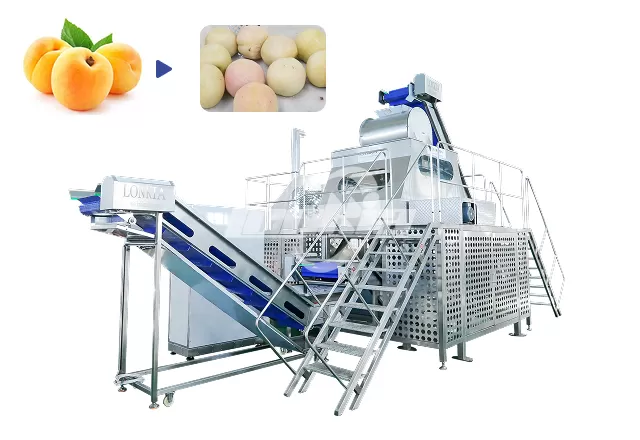
For companies planning to build a vegetable wash line, factory space is a key factor to prioritize when selecting equipment and designing the layout. An industrial vegetable washing production line typically includes a raw material sorting station, a bubble washer, a spray washer, a vibrating drainer, and conveyor systems. Different processing materials, processing capacities, and washing processes all affect equipment dimensions and the overall layout.
Without proper early planning, issues such as difficult equipment installation, poor material conveyance, or insufficient space for operation and maintenance may arise. So, how much floor space is required to install a vegetable wash line? And what details should be considered during the planning process?
What Factors Determine the Floor Space Required for a Vegetable Wash Line?
1. Production Line Processing Capacity
Processing capacity is a key factor affecting the size and layout of fruit and vegetable processing equipment. As hourly processing volume increases, the size of washing tanks, conveyor belt width, and number of equipment units may need to be adjusted accordingly. Therefore, before determining the required facility space, the target processing capacity should be clearly defined, and the production capacities of equipment across each process step should be ensured to be mutually compatible.
2. Vegetable Types and Cleaning Processes
Different leafy vegetables have varying requirements for cleaning methods. Produce such as parsley, spinach, and lettuce may require multi-stage bubble washing, spray rinsing, and vibrating draining. The more washing steps involved, the more equipment and connecting conveyor structures will be required, which in turn affects the overall length of the vegetable wash line.
3. Equipment Configuration and Level of Automation
A complete washing system may include inspection stations, bubble washers, spray washers, vibrating drainers, and handling equipment. The inclusion of conveyor systems, filtration systems, and other auxiliary equipment will also alter the floor space required for the vegetable wash line.
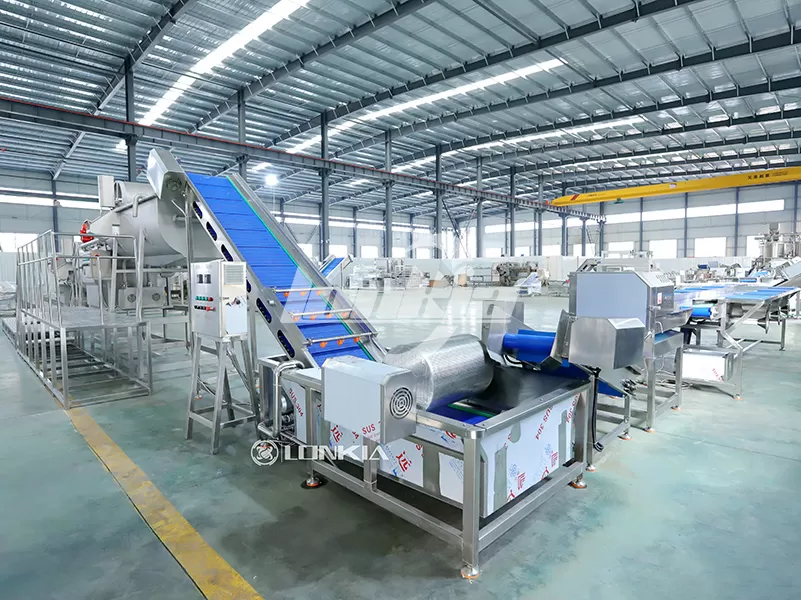
How to Reasonably Plan the Equipment Layout for a Vegetable Washing Line?
1. Arrange Equipment Sequence According to the Processing Flow
It is recommended to plan the equipment sequence in the following order: raw material intake, manual inspection, preliminary washing, spray rinsing, vibrating draining, and product discharge. A well-designed sequence of processes can reduce repetitive material handling and prevent interference between different processing stages.
2. Allow for Necessary Operating and Maintenance Space
Facility planning should not focus solely on the length and width of the machines themselves. Space should also be reserved around the equipment for operating aisles, maintenance areas, and cleaning zones—particularly around components requiring regular maintenance, such as washing tanks, filtration units, and conveyor systems.
3. Confirm Material Inlet and Outlet Directions and Auxiliary Facilities
Before finalizing fruit and vegetable processing equipment placement, consider the directions of raw material inlet and finished product outlet, as well as water supply, drainage, and power connections. For production lines that need to connect to subsequent vegetable-cutting, blanching, or packaging equipment, confirm the connection points and conveyor heights in advance.
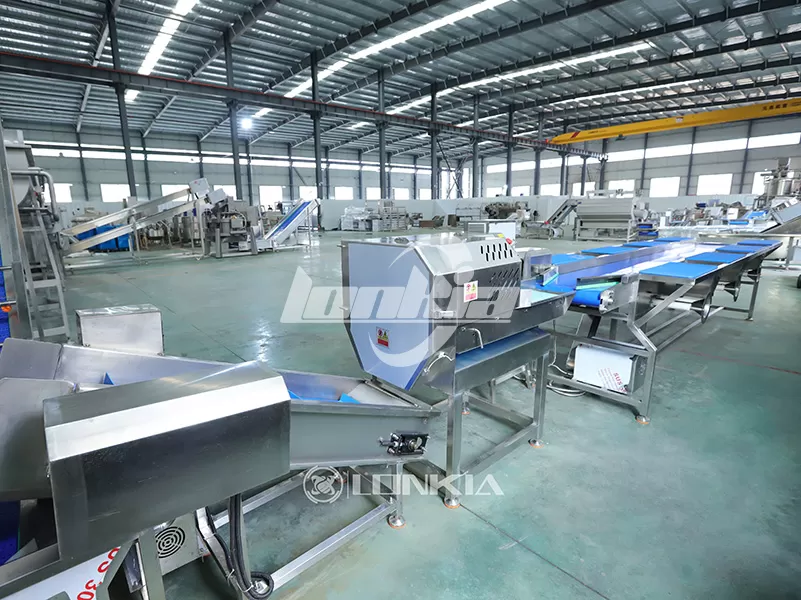
Common Layout Styles for Vegetable Washing Lines
1. Linear Layout
In a linear layout, fruit and vegetable processing equipment is arranged sequentially according to the processing order. Materials enter at one end, pass through each washing stage, and exit at the other end. This method facilitates continuous processing and is suitable for facilities where the length of the production hall and the directions of material entry and exit are relatively well-defined.
2. Customized Layout
When the length of the production hall is limited, or when existing equipment and building structures restrict installation locations, the arrangement of equipment, conveying direction, and connection structures can be adjusted based on on-site conditions. Specific solutions must be determined based on equipment dimensions and the actual processing workflow.
What Information Should Be Provided to the Equipment Supplier Before Installation?
To ensure the accuracy of the design proposal, customers are advised to prepare the following information in advance:
- Processed Materials: Vegetable names, photos of raw materials, and key processing characteristics.
- Target Production Capacity: Planned vegetable weight to be processed per hour.
- Facility Dimensions: Length, width, and height of the available area.
- Process Requirements: Required washing, rinsing, and draining processes.
- Equipment Specifications: Voltage, frequency, number of phases, and water supply and drainage conditions.
- Layout Information: Factory floor plan, equipment inlet and outlet locations, and information on existing production equipment.
This information helps the supplier determine equipment configuration, overall dimensions, and production line layout, and further provides corresponding technical solutions and quotations.
LONKIA Customized Vegetable Washing Production Lines
Since the types of materials, processing capacities, and facility conditions vary across different processing plants, vegetable wash lines should not be selected based solely on fixed equipment dimensions. LONKIA can reasonably configure inspection tables, bubble washers, spray washers, vibrating drainers, and supporting conveyor equipment according to the customer's processing needs, designing a washing solution that matches actual production conditions.
If you are planning a vegetable processing project, please provide your target processing capacity, the types of produce to be processed, and a floor plan of your facility. LONKIA will assist you in determining the equipment configuration, production line dimensions, and layout based on your specific needs, helping you make thorough preparations before purchasing equipment.