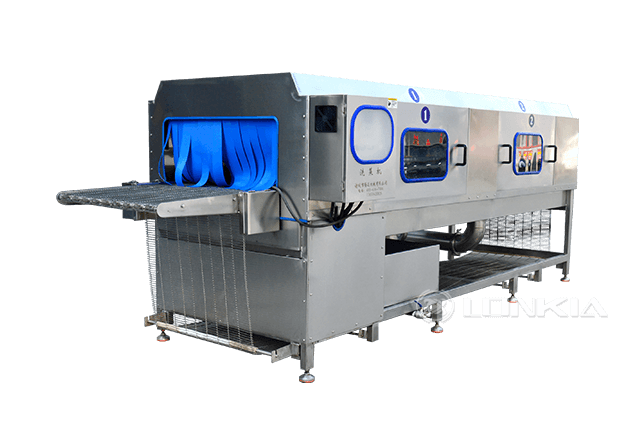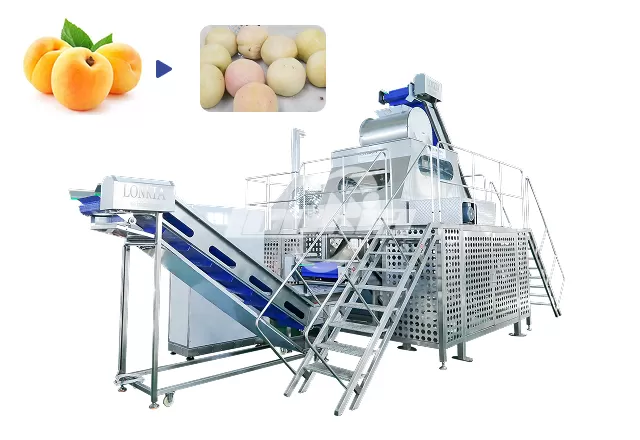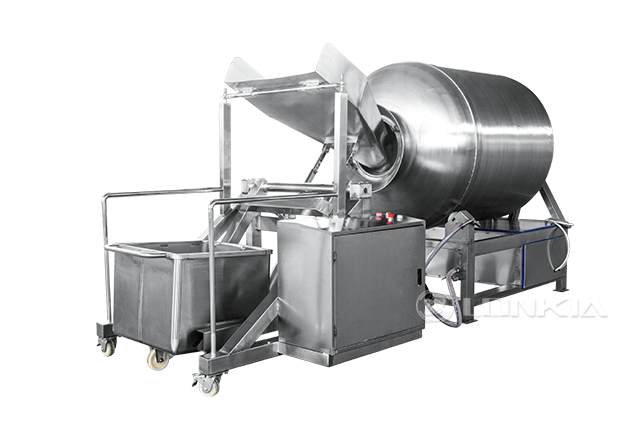
In the deep processing of vegetables, fruits, and other foods, blanching is a crucial pretreatment step. When purchasing equipment, many food processing companies focus on one key question: What products can a vegetable blanching machine actually process? Can it meet the production needs of different raw materials?
A vegetable blanching machine primarily uses hot water or steam to briefly heat the product, thereby deactivating enzymes, enhancing color, stabilizing texture, and reducing microbial content. For manufacturers of frozen vegetables, canned foods, dehydrated foods, and prepared foods, blanching equipment helps enhance the stability of subsequent processing steps.
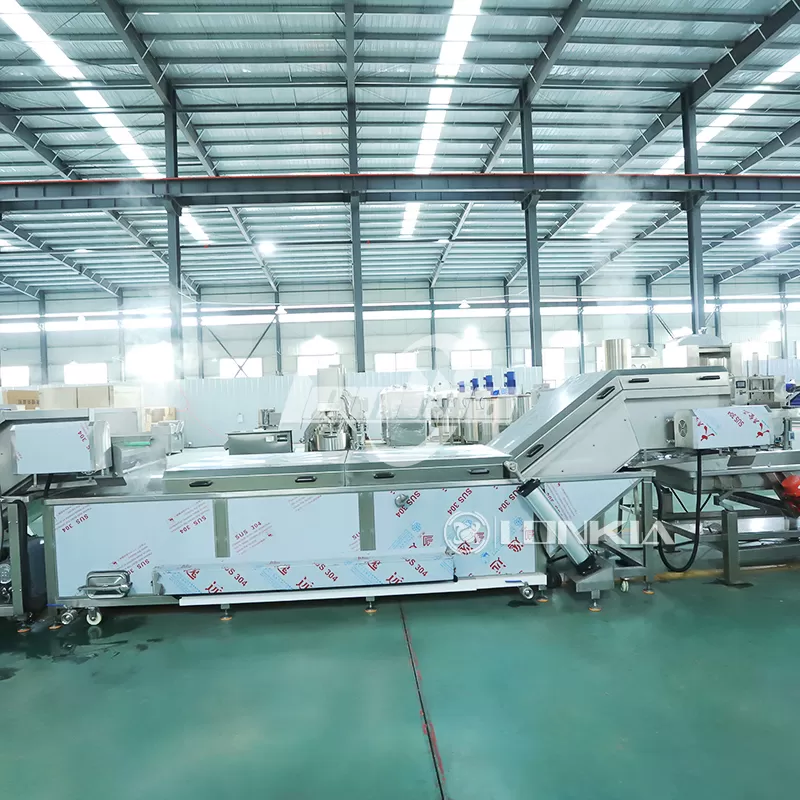
The Lonkia vegetable blanching machine features a precise temperature and time control system that allows operating parameters to be adjusted according to the processing characteristics of different products, enabling the equipment to adapt to a wide range of food processing needs.
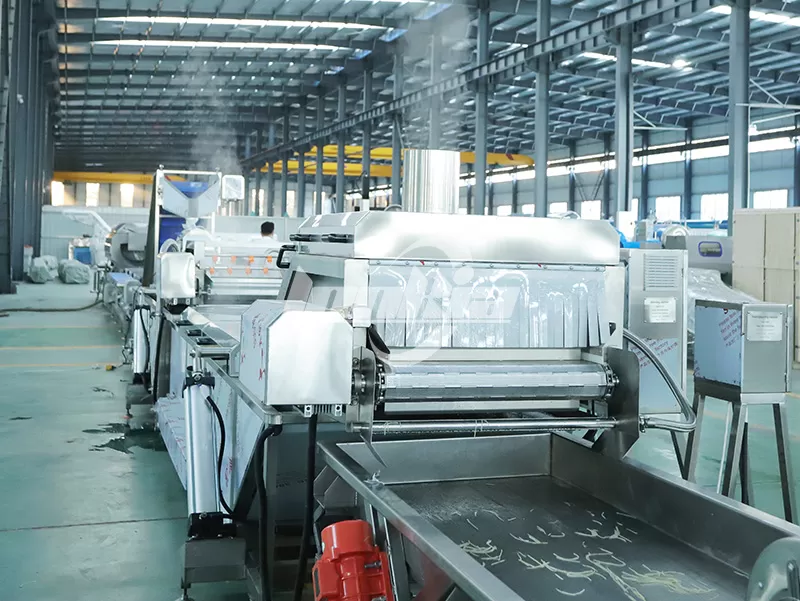
Which Vegetables Are Suitable for a Vegetable Blanching Machine?
Vegetables are one of the most common applications for the vegetable blanching machine. Due to differences in tissue structure, moisture content, and color characteristics, different vegetables have varying requirements for the blanching process.
Common suitable products include:
- Leafy vegetables: Leafy products such as spinach, lettuce, and Chinese greens are prone to color changes and softening during processing. Blanching quickly stabilizes the product's color while improving the results of subsequent freezing or packaging processes.
- Root and tuber vegetables: Products such as carrots, potatoes, and radishes benefit from blanching, which helps adjust their firmness, making them more suitable for subsequent cutting, quick-freezing, or canning.
- Legumes and cruciferous vegetables: Products such as green peas, string beans, broccoli, and cauliflower typically require blanching to reduce enzyme activity and preserve their color and quality after processing.
For food companies that process a variety of vegetables, choosing a vegetable blancher with adjustable parameters can eliminate the need to frequently switch equipment between different products.
Can a Vegetable Blanching Machine Process Fruit?
In addition to vegetables, fruit is also an important application for blanching equipment.
Some fruits require appropriate heat treatment before freezing, canning, or dehydration. For example:
- Apples
- Peaches
- Pears
- Certain berries
During fruit processing, blanching helps reduce oxidation, preserve product color, and improve stability for subsequent processing. For manufacturers of canned fruit, frozen fruit, and dried fruit, a proper blanching process can enhance the quality of the final product.
It is important to note that different fruits vary in sugar content, acidity, and tissue structure; therefore, equipment temperature, conveyor speed, and processing time must be adjusted according to the specific product.
Can a Vegetable Blanching Machine Process Meat and Seafood?
In the modern food processing industry, blanching equipment is not limited to vegetables.
Certain models of blanching machines are also suitable for:
- Chicken products
- Fish products
- Shrimp products
- Shellfish products
In meat and seafood processing, blanching is primarily used for pre-cooking, improving product texture, and meeting the requirements of subsequent processing steps.
Lonkia blanching equipment uses hot water circulation or steam heating to apply heat more evenly to the product, helping processing companies achieve consistent product quality control.
Is Your Product Suitable for a Vegetable Blanching Machine?
When selecting vegetable blanching equipment, customers can consider the following factors:
1. Does the product need to retain its color?
If the product is prone to browning or color loss—such as green vegetables or sliced fruits—blanching is typically a critical process step.
2. Does the product need to be frozen or stored long-term?
The production of frozen vegetables typically requires a blanching step, as heat treatment reduces enzyme activity and improves product stability after freezing.
3. Is continuous processing required?
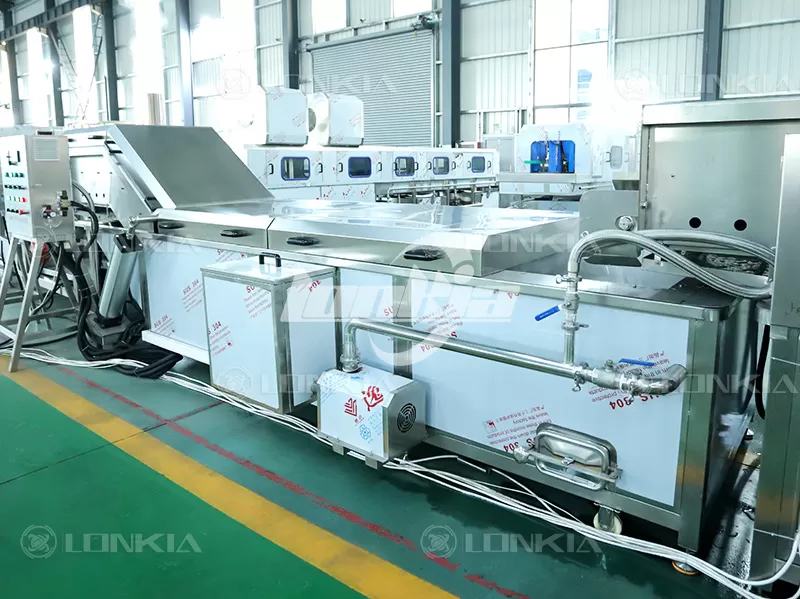
If a factory needs to connect the machine to washers, coolers, quick-freezing equipment, or packaging equipment, a continuous Vegetable Blanching Machine can be more easily integrated into the entire production process.
Summary
Different food ingredients have varying requirements for blanching temperature, time, and conveyor methods. Therefore, when selecting vegetable blanching machine, one should not focus solely on processing capacity but must also consider product type, processing workflow, and future production needs.
As a supplier of food processing equipment, Lonkia specializes in providing solutions for fruit and vegetable processing. We offer blanching equipment tailored to the specific characteristics of our customers' products and their production needs, helping food companies establish more stable processing workflows.