In food processing, bubble washing machines are primarily used to clean fruits, vegetables, and other food ingredients. Proper installation of the equipment not only affects daily operations but also impacts cleaning effectiveness, production line integration, and future maintenance. For food processing companies planning to purchase a bubble washing machine, confirming the installation space, water and electricity supply conditions, drainage location, and material inlet/outlet layout in advance can minimize adjustments required after the equipment arrives at the facility and ensure it is smoothly integrated into production.
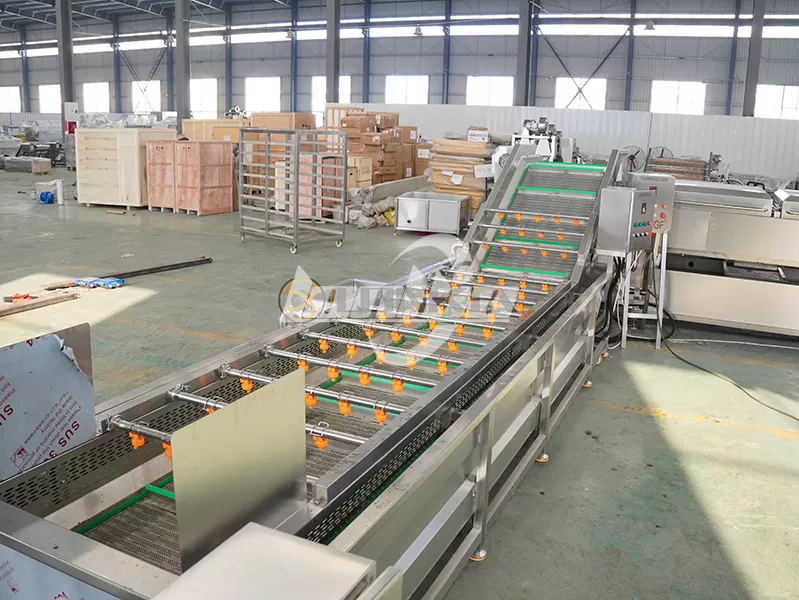
Confirming Equipment Dimensions and Installation Space
Before installing a bubble washing machine, confirm the available space in the facility based on the equipment model. In addition to the fruit and vegetable washing equipment's length, width, and height, consider clearance for operators, feed and discharge locations, and space needed for future maintenance.
Different models of bubble washing machines vary in conveyor belt width, equipment length, and overall structure. Customers should select the appropriate equipment specifications based on hourly processing capacity, material types, and production layout.
Before purchasing, it is recommended to provide the manufacturer with a factory layout diagram and confirm the directions of the equipment's feed and discharge ends to avoid issues such as insufficient space or inconvenient material conveyance after installation.
Check Power Supply and Water Supply Conditions
1. Confirm Power Supply Configuration
The bubble washer requires a stable power supply to operate. Before installation, verify that the local voltage, frequency, and number of phases match the equipment's motor and electrical control system, and inspect the power lines and electrical connection points.
Power requirements vary by equipment configuration; therefore, customers should confirm the actual power requirements in advance based on the final model selected to ensure that power supply conditions meet the equipment's operational needs.
2. Confirm Water Inlet and Drainage Locations
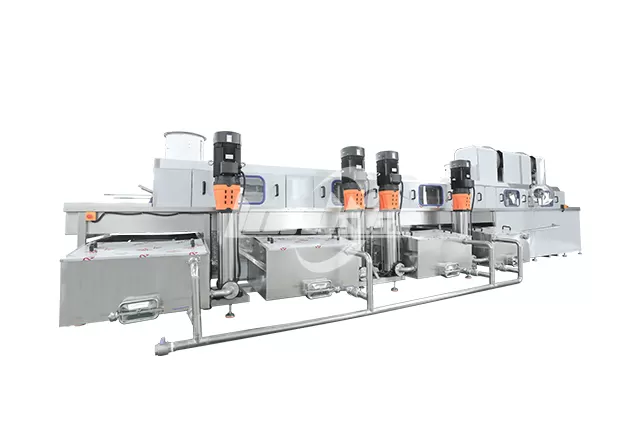
Bubble cleaning machines clean materials through the combined action of water and bubbles; therefore, the locations of the water inlet and drainage lines must be planned in advance. Ensure that the water supply meets the bubble washing equipment's operational requirements, and that the drainage lines facilitate the discharge of wash water and the cleaning of the equipment's interior.
If the bubble washing machine is equipped with a water recirculation system, the installation locations for the recirculation pipes and filtration units must also be confirmed in advance to ensure all components can be properly connected.
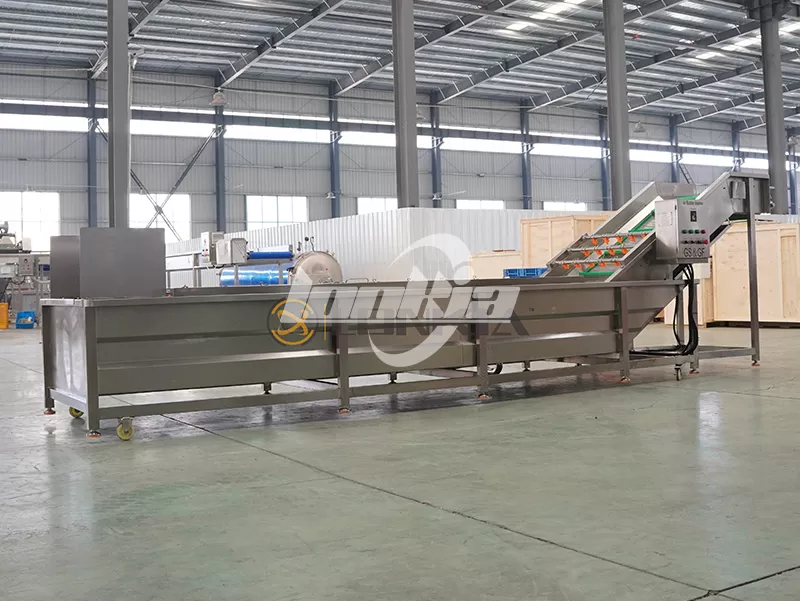
Plan the Feed and Discharge Conveyance Methods
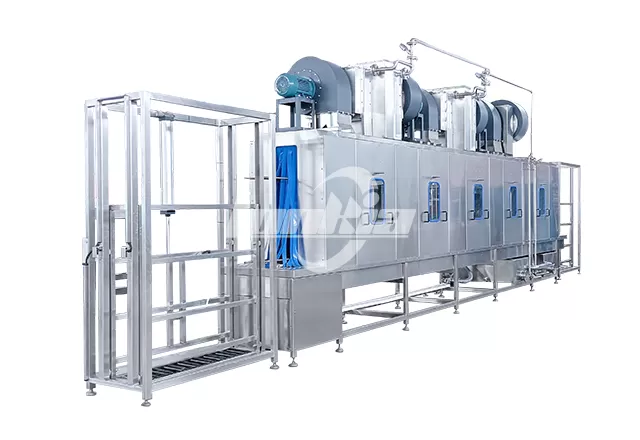
Bubble washers typically need to be used in conjunction with upstream and downstream processing equipment. The feed end can be connected to an elevator or conveyor based on production needs, while the discharge end can be connected to a draining unit, sorter, or cutting equipment.
During installation, pay special attention to the following items:
- Feed Height: Ensure raw materials enter the washing tank smoothly to prevent localized accumulation.
- Discharge Connection: Verify that the discharge height matches that of downstream equipment to minimize manual transfer.
- Conveyor Speed: Adjust the mesh belt speed based on material characteristics to ensure the cleaning time meets process requirements.
LONKIA bubble washing machines utilize SUS304 stainless steel conveyor mesh belts, and the operating speed can be adjusted according to actual processing needs, facilitating the continuous conveyance and cleaning of various materials.
Allowing Space for Operation and Maintenance
After the equipment is installed, it is essential to ensure that operators can easily perform daily inspections and cleaning.
It is recommended to give special consideration to the locations for cleaning the tank, inspecting the mesh belt, maintaining the motor, and servicing the electrical system. Additionally, regularly inspecting the bubble system, filter components, and conveyor structure helps maintain stable equipment operation.
If the bubble washing machine is used to process different materials such as leafy greens, fruits, and root vegetables, cleaning requirements between production batches should also be considered to prevent material residue from affecting subsequent production.
What Information Should Be Confirmed with the Manufacturer Before Installation?
To minimize uncertainties during the installation process, it is recommended that purchasers provide the equipment manufacturer with the following information in advance:
- Factory layout diagram and available installation dimensions.
- Local voltage, frequency, and number of power phases.
- Water inlet piping and drainage locations.
- Processing materials and target hourly throughput.
- Model numbers and connection heights of upstream and downstream processing equipment.
LONKIA can provide recommendations on bubble washing machine selection and equipment layout based on the customer's material characteristics, production requirements, and facility conditions. Planning the installation helps ensure a smooth integration of the equipment into existing production processes and provides reliable support for subsequent continuous production.