For garlic processing companies, manual peeling or a single garlic peeler may meet certain production needs. However, as orders rise, delivery times tighten, or customers demand higher standards for clove integrity and processing efficiency, existing methods can gradually become a production bottleneck. At this point, it is worth carefully evaluating whether to upgrade to a peeled garlic production line.
Signs That Your Current Garlic Processing Equipment Is No Longer Enough
Increasing Orders but Limited Production Capacity
If orders continue to rise while existing equipment requires frequent shutdowns, manual feeding, or transfer operations, actual output may be limited. This is especially true for factories that rely on manual garlic peeling, where production efficiency often depends on the number of workers and their speed. When existing equipment cannot consistently meet daily order demands, it is necessary to reassess the processing solution.
High Labor Requirements and Inconsistent Results
Manual garlic peeling not only requires significant labor hours, but processing speeds and finished product quality may also vary among different operators. If a company aims to improve production continuity and reduce repetitive manual tasks, it may consider upgrading the core peeling process to mechanized processing.
Difficulty Maintaining Consistent Product Quality
For businesses selling peeled garlic cloves or producing garlic slices and garlic paste, residual garlic skins and damaged cloves increase the workload for subsequent sorting. Selecting the right peeling equipment helps improve processing consistency, but testing must still be conducted based on the specific garlic variety and condition of the raw material.
What Should Be Prioritized When Upgrading a Garlic Peeling Production Line?
1. Does the Equipment's Capacity Match Actual Needs?
When selecting peeled garlic production line, do not rely solely on the rated processing capacity; also verify the raw material input, effective operating time, and final yield of qualified garlic cloves. For example, a company planning to process 400 kilograms of fresh garlic per hour should verify that each stage of the entire line can meet this target and allow for time for cleaning, changeovers, and maintenance.
2. Peeling Effectiveness and Clove Integrity
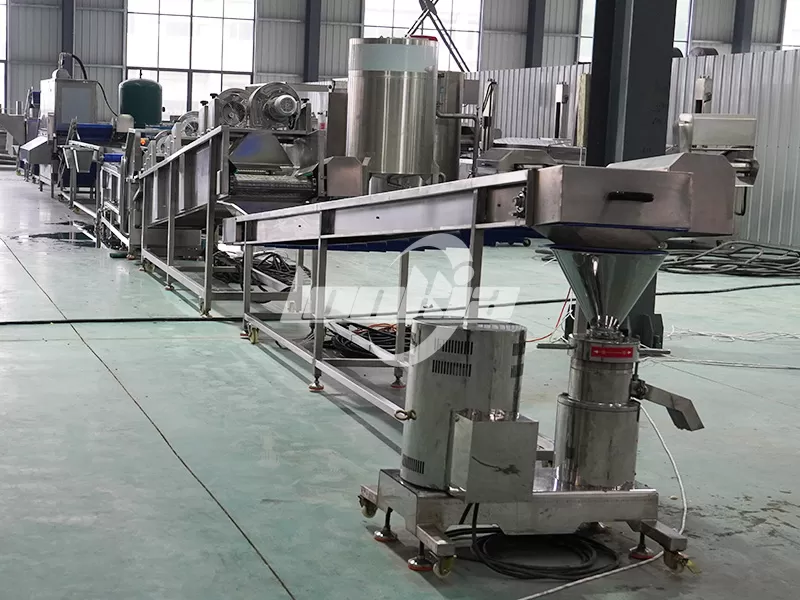
The peeling rate and the extent of clove damage directly impact the quality of the finished product and subsequent sorting operations. The LONKIA peeled garlic production line employs a pneumatic peeling principle, using airflow to separate the garlic skin from the cloves without the need to soak the garlic in water to soften the skin. Before purchasing, it is recommended to conduct tests using actual raw materials to confirm that the peeling effectiveness, clove integrity rate, and actual output meet requirements.
3. Effective Integration of Upstream and Downstream Processes
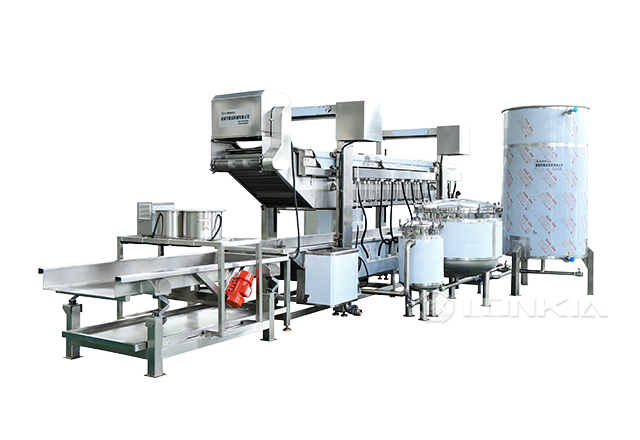
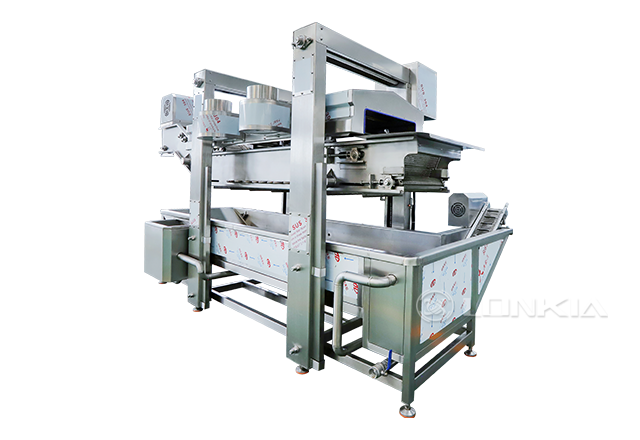
Depending on production goals, the entire garlic processing line can be configured with equipment for clove separation, peeling, washing, conveying, and sorting. If subsequent production of garlic slices, garlic paste, or garlic powder is planned, additional slicing, grinding, or drying equipment must be integrated. A well-planned process sequence helps reduce material backlogs and equipment downtime.
How to Determine Whether an Upgrade Is Worth It?
It is recommended to compare the following metrics before and after the upgrade: labor hours, hourly output of qualified products, raw material loss, equipment downtime, and order fulfillment status. Additionally, factor in equipment procurement, installation, energy consumption, and maintenance costs into the evaluation—rather than simply comparing machine prices.
If mechanization can consistently reduce labor bottlenecks, increase the output of qualified products, and meet future order demands, then the upgrade warrants further evaluation.
What Information Should Be Prepared Before Purchasing?
Before contacting equipment suppliers, it is recommended to clarify the following details:
- Hourly processing capacity for fresh garlic and daily production hours;
- Garlic clove specifications, raw material condition, and desired peeling results;
- Whether washing, sorting, and subsequent further processing are required;
- Available factory space, voltage, frequency, and compressed air supply conditions;
- Budget, delivery time, and after-sales service requirements.
LONKIA can assist in planning garlic processing machine configurations based on raw material characteristics, target production capacity, and processing workflows. Providing this information in advance helps determine a production plan that better meets actual needs, avoiding under-specced equipment or the purchase of unnecessary processing steps.
Conclusion
Upgrading from manual garlic peeling or a single machine to a peeled garlic production line does more than just increase processing speed; more importantly, it establishes a stable, consistent processing workflow that meets finished product requirements. Only by identifying current bottlenecks, verifying actual processing results, and properly aligning each processing step can equipment investments truly serve the enterprise's production needs.