As the use of garlic continues to grow in the seasoning, frozen food, dehydrated food, and prepared food industries, an increasing number of food processing companies are focusing on how to improve garlic processing efficiency and product consistency. For customers planning to invest in a garlic processing project, selecting the right garlic processing machine is not simply a matter of purchasing a piece of equipment; rather, it requires a comprehensive evaluation based on raw material characteristics, processing workflows, production capacity requirements, and product standards.
A well-designed garlic processing solution can help companies achieve continuous production—from garlic clove separation, peeling, and washing through to subsequent processing—while ensuring the integrity of the cloves and high processing quality. Therefore, it is crucial to understand the key selection factors before purchasing garlic processing equipment.
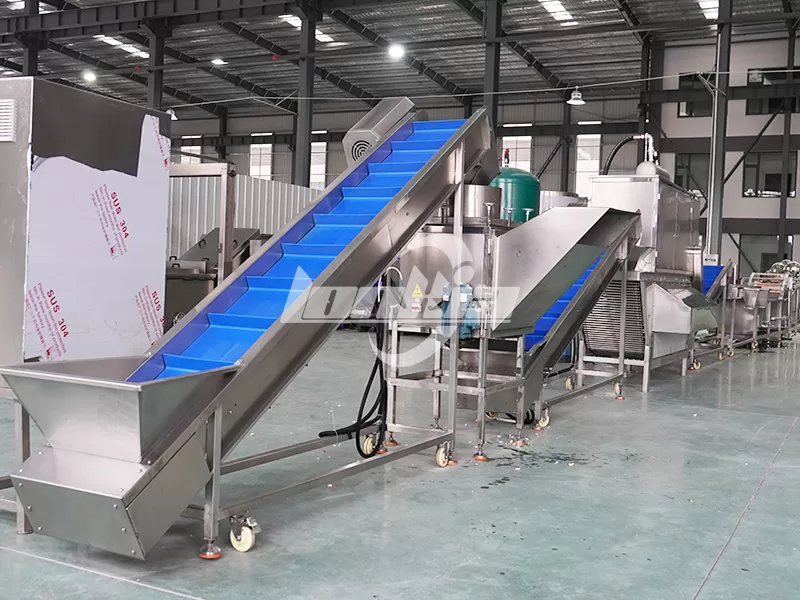
Determining Equipment Types Based on Garlic Processing Needs
Different customers have different garlic processing objectives, and their equipment requirements vary accordingly. For example, some companies primarily produce peeled garlic granules and need to focus on garlic clove separation and peeling equipment; whereas companies producing garlic paste, garlic powder, or seasoning products require additional grinding, slicing, or packaging equipment.
Common garlic processing steps include:
Garlic feeding → Clove separation → Clove peeling → Washing → Sorting → Further processing
Among these steps, garlic peeling is a critical stage in the entire garlic processing plant workflow. A high-quality garlic processing machine should be capable of consistently removing garlic skins while minimizing damage to the cloves, thereby meeting food processing companies' requirements for raw material quality. Relevant processing equipment typically employs air-jet peeling or mechanically assisted methods to complete the peeling process, and maintains processing stability through sound structural design.
Ensure Machine Throughput Aligns with Production Plans
Throughput is one of the most important parameters when purchasing garlic processing machine. Many customers tend to overlook actual production needs, focusing solely on equipment price without considering whether the equipment can meet long-term processing volume requirements.
When selecting garlic peeling production line, it is necessary to clarify:
- How many kilograms of garlic need to be processed per hour;
- How many hours of operation are planned per day;
- Whether the equipment will need to be connected to other processing equipment downstream;
- Whether product orders are subject to seasonal fluctuations.
For example, equipment such as garlic clove separators and peelers perform different tasks on the production line. If the output of upstream and downstream equipment does not match, it may affect overall processing efficiency. Therefore, when designing a processing solution, equipment combinations must be tailored to the actual production workflow.
Lonkia specializes in the R&D of food processing equipment and can provide tailored equipment configuration solutions based on customers' garlic processing needs, helping them establish more stable processing workflows.
Choose a Stable and Reliable Machine Design
For food processing companies, a garlic peeling production line must not only meet production capacity requirements but also ensure long-term operational stability.
When purchasing garlic processing machines, it is recommended to focus on the following aspects:
- Food-grade materials: Parts of the machine that come into direct contact with garlic should typically be made of food-grade stainless steel to facilitate cleaning and meet food processing environment requirements.
- Appropriate processing methods: During the garlic peeling process, improper equipment design can easily cause damage to garlic cloves. Therefore, attention must be paid to the machine's internal structure, airflow design, and conveying methods to ensure a smoother processing experience.
- Ease of maintenance: Routine maintenance is crucial during long-term operation. Machines with a simple structure that are easy to disassemble and clean can minimize downtime and enhance production continuity.
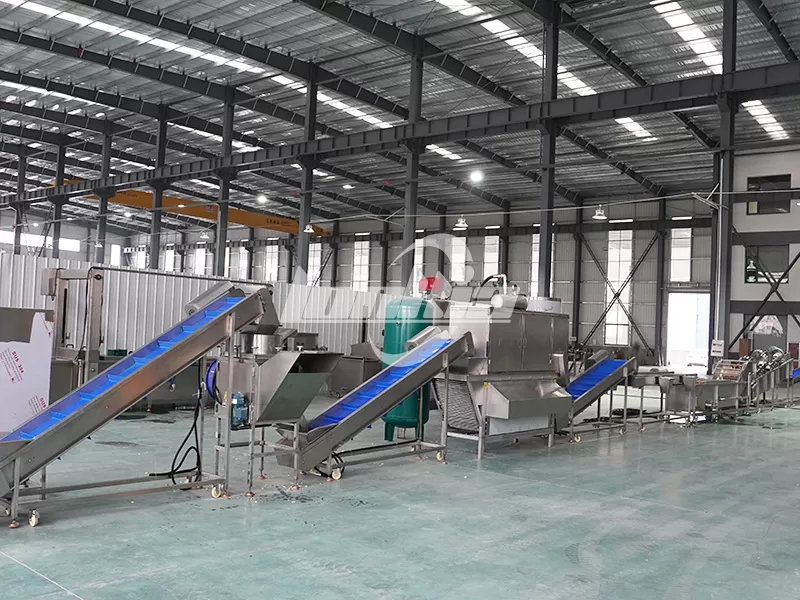
Evaluate the Supplier's Ability to Provide Comprehensive Solutions
When purchasing garlic processing machinery, customers are not merely buying equipment; they are also selecting a long-term partner for technical support.
Reliable equipment suppliers typically offer:
- Designing processing workflows based on product requirements;
- Recommending suitable equipment combinations;
- Providing installation and commissioning guidance;
- Technical support and spare parts services.
For customers requiring a complete production process, purchasing a single piece of equipment may not yield optimal results. A comprehensive peeled garlic production line effectively links multiple processing stages, improving overall production coordination.
Questions to Consider Before Purchasing Garlic Processing Machine
To avoid mismatched equipment selection, customers should prepare the following information in advance:
- The type and size of garlic to be processed;
- The target product form (peeled garlic, garlic slices, garlic paste, etc.);
- The desired processing output;
- The status of existing equipment at the facility;
- Whether a complete garlic processing line solution is required.
This information helps equipment manufacturers provide more accurate technical solutions rather than simply recommending standard equipment.
Conclusion
Selecting the right garlic processing machine requires a comprehensive evaluation of the processing workflow, equipment capacity, machine design, and the supplier's service capabilities. For companies seeking to improve garlic processing efficiency and product consistency, a processing equipment solution tailored to their specific needs can deliver more sustainable production value.
During the procurement process, communicating actual production needs with professional manufacturers is more important than simply comparing equipment prices. By carefully planning equipment configurations, companies can establish a more stable and efficient garlic processing workflow, providing reliable support for subsequent product development and market supply.