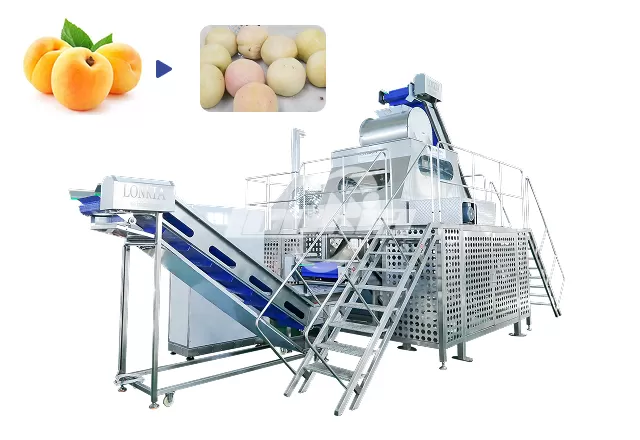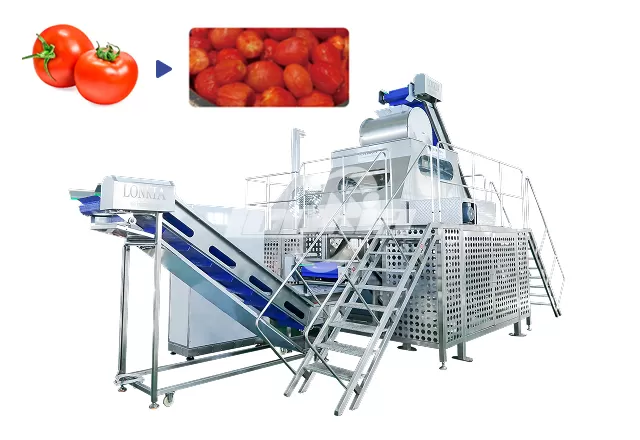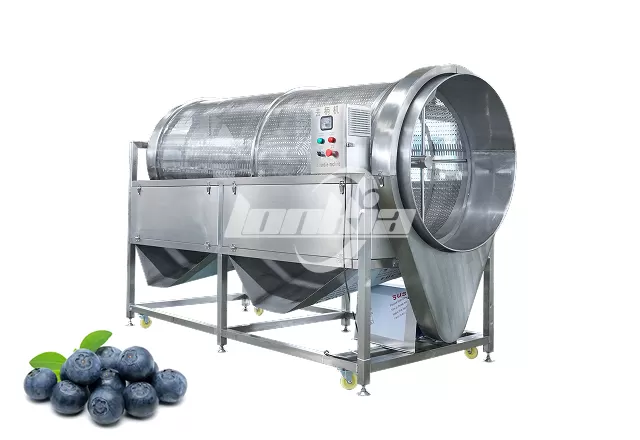
In the processing of fruits and vegetables, washing and grading may appear to be two separate steps, but actual production outcomes are closely tied to the order in which they are performed. For fruits and vegetables such as carrots, apples, and peaches, washing the raw materials before they enter the fruit grading machine ensures the subsequent grading process is based on more consistent material conditions. LONKIA's automatic fruit sorting and grading machines can classify raw materials based on parameters such as size, shape, and weight, and use sensors and image recognition technology to support the grading process.
Why Grade After Washing?
Unwashed fruits and vegetables typically carry soil, sand, leaves, and other impurities. If they enter the grading equipment directly, the soil adhering to the surface of the produce may affect appearance assessments and increase the cleaning burden on the equipment's conveyor and inspection areas.
Therefore, in many fruit and vegetable processing workflows, washing is scheduled before grading. The fruit washer first removes impurities from the surface of the raw materials, after which the relatively clean and stable products are conveyed to the fruit grading machine. This process facilitates subsequent classification based on requirements such as size and shape, enabling products of different grades to proceed to their corresponding packaging or processing stages.
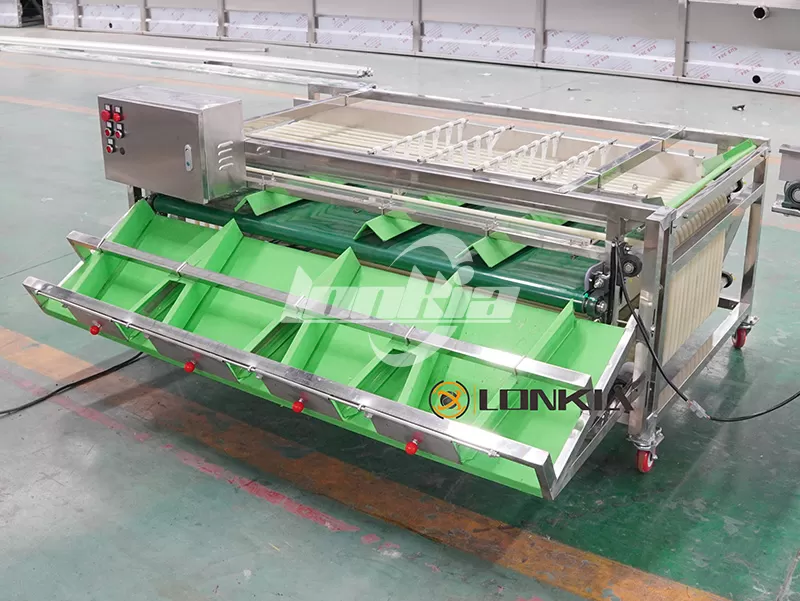
How Does a Fruit Grading Machine Perform Grading?
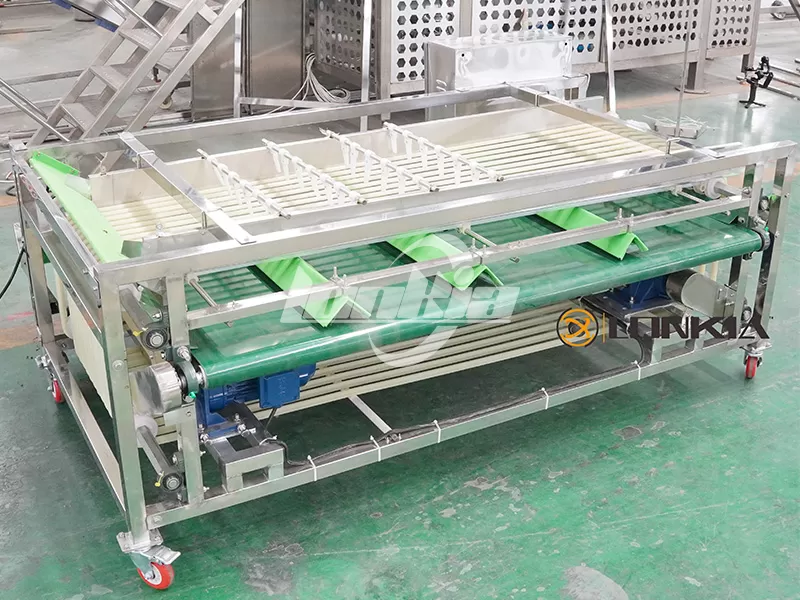
After the washed produce enters the fruit grading machine, it must first be conveyed uniformly to ensure the products pass through the inspection area in a relatively stable state. The fruit grading machine identifies product characteristics based on preset grading parameters and conveys produce of different grades to their respective outlets.
For products like carrots, customers may place greater emphasis on consistency in length, diameter, shape, and appearance; for certain fruits, however, size or weight may be the primary concern. Therefore, grading parameters are not fixed but should be configured based on the characteristics of the raw materials and the final sales specifications. LONKIA's fruit grading machine for sale supports the adjustment of relevant parameters according to actual grading requirements.
What Should Be Considered Between Washing and Grading?
- Maintain a stable feed rate: After washing, avoid feeding large quantities of overlapping products into the grader. A uniform feed rate allows the equipment to detect and convey the material more stably.
- Select grading criteria based on the product: Product specifications vary by customer. Before purchasing a fruit grading machine, clearly define the number of grades required, the size range for each grade, and whether factors such as shape or surface defects need to be considered.
- Properly arrange conveying equipment: Appropriate conveying and lifting stages are typically required between the washer and the grader to ensure a continuous flow of material into the grading equipment while minimizing manual handling.
How Does Post-washing Grading Integrate into the Entire Processing Line?
A well-designed fruit and vegetable processing workflow typically follows this sequence:
Raw material feeding → Washing → Conveying → Fruit grading machine → Graded collection → Packaging or further processing
For products requiring further processing, the fruit and vegetable grading machine can also direct raw materials to different processing stations based on their specifications. LONKIA has integrated grading equipment into fruit and vegetable processing solutions and can provide equipment configuration recommendations based on the customer's raw materials, grading standards, and production processes.
How to Choose the Right Fruit Grading Machine?
Before purchasing, it is recommended to provide the equipment manufacturer with information on raw material types, size ranges, processing capacity, the number of grading categories, grading standards, and details about upstream and downstream equipment. The more complete this data is, the easier it will be to determine the appropriate conveyor configuration, detection methods, and grading parameters.
For fruit and vegetable processing companies that require standardized grading after washing, a suitable fruit grading machine is not merely a standalone sorting device but a critical processing link connecting washing, grading, and packaging. By optimally arranging the processing sequence and equipment configuration, the entire production process can become more continuous, and product specification consistency can be improved.