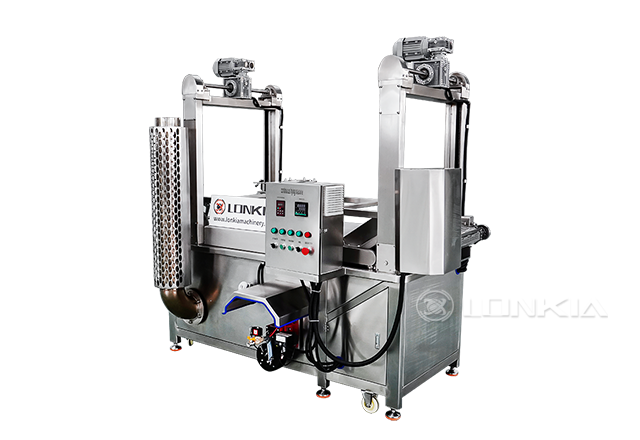
When planning a plantain chips manufacturing plant, the first step is not to determine the model of a specific machine, but rather to define the complete processing workflow and the target product. For customers planning to build a continuous plantain chip processing project, the entire production line should be designed based on the characteristics of the raw materials, target output, slice specifications, and final sales methods, and then the equipment for each stage should be selected accordingly. This approach helps avoid issues such as mismatched equipment capacity or the need for frequent equipment additions later on.

What Core Equipment Is Required for a Plantain Chips Production Line?
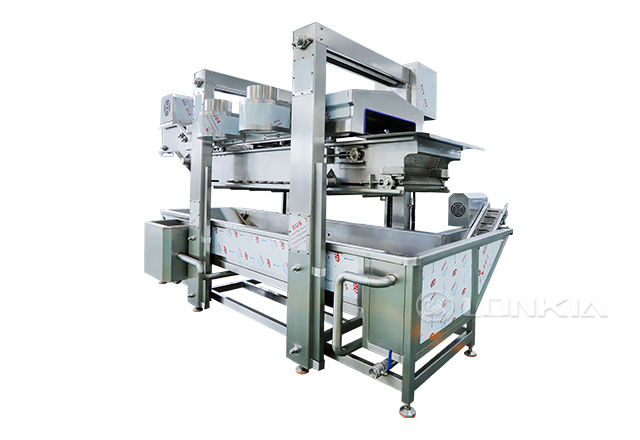
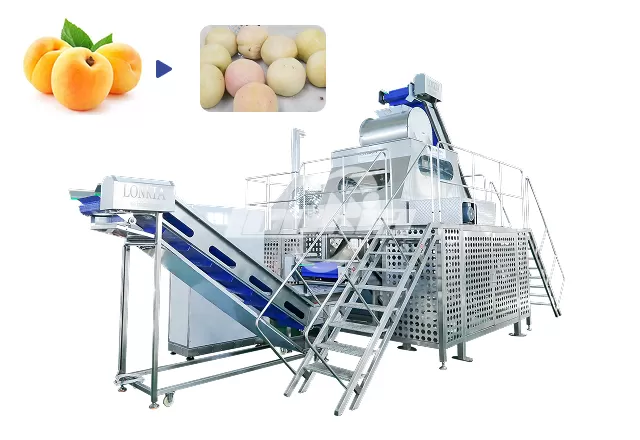
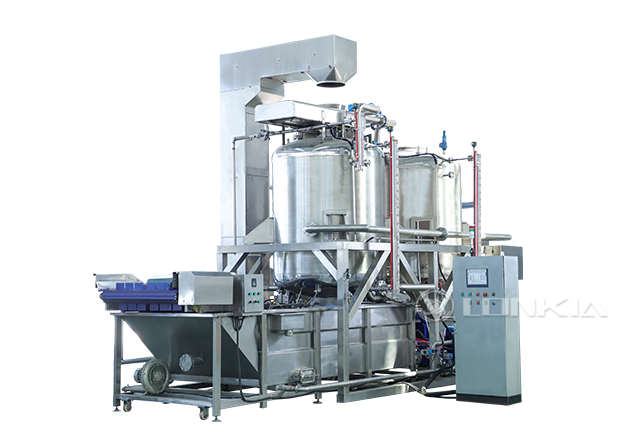
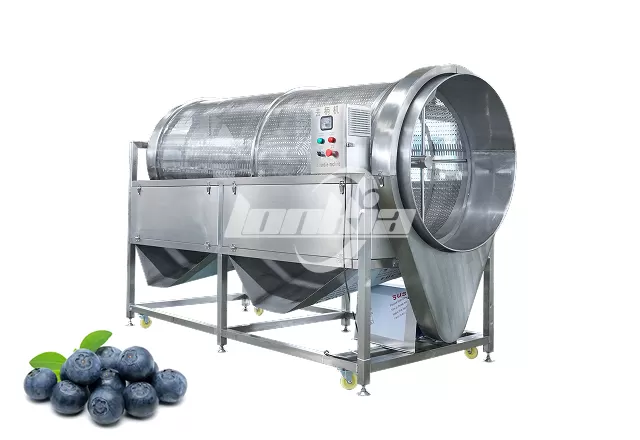
A complete plantain chips processing workflow typically includes steam peeling, brush roller peeling, washing, slicing, frying, oil removal, air drying, quick-freezing, and packaging. The raw material first enters the steam peeler, where high-temperature steam softens the skin before mechanical peeling; the brush roller peeler then removes any remaining skin. Next, a washing machine removes surface impurities, and a slicer cuts the peeled plantains into slices of uniform thickness.
Production capacities across different pieces of equipment must be properly matched. For example, the slicing speed should be coordinated with the processing capacity of the continuous fryer, and the de-oiling and air-drying equipment following frying must also accommodate the corresponding continuous throughput. For turnkey projects, the overall plantain chips manufacturing plant coordination is more important than the theoretical output of individual machines.
Why Is Steam Peeling a Critical Step?
Steam peeling is a crucial process in this plantain chips manufacturing plant. Traditional manual peeling is easily affected by operating speed and the condition of the raw material, whereas steam peeling machines use high-temperature steam treatment followed by mechanical peeling, which helps improve peeling efficiency and reduce damage to the fruit flesh. Follow-up brushing with a brush roller can further remove residual thin skins, making the plantain surface more suitable for subsequent washing and slicing.
Therefore, when planning a plantain chips production line, pay special attention to the steam peeler's processing capacity, raw material adaptability, and how it interfaces with downstream equipment.
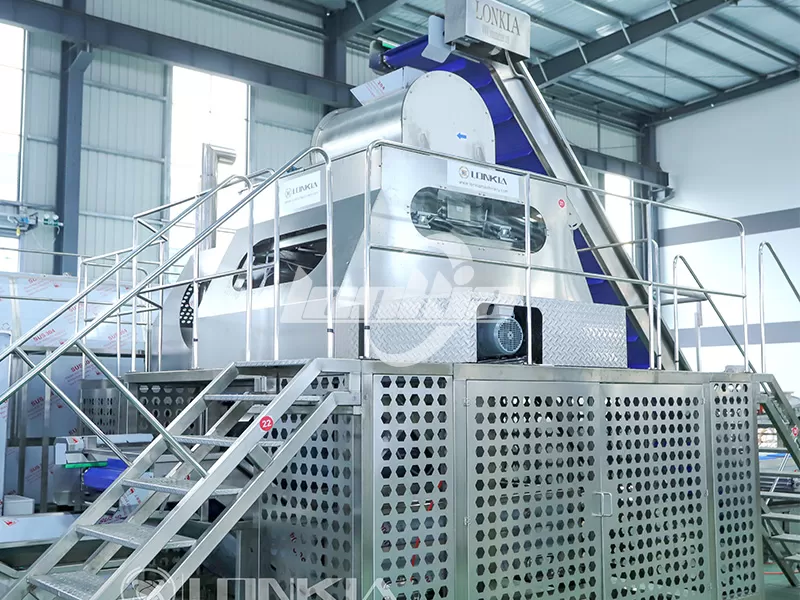
Slicing and Frying Determine Product Consistency
Slicing thickness directly affects the frying results. Inconsistent thickness can lead to variations in color, crispness, and oil content within the same batch of plantain chips. Therefore, the slicer must be capable of stable, continuous slicing, and the appropriate slice specifications should be determined based on product requirements.
After slicing, the plantains enter a continuous fryer, where frying is completed through precise control of temperature and time. Stable oil temperature, conveyor speed, and frying time help maintain consistency in product color and texture. After frying, the plantain slices undergo vibration-based oil removal and air drying to further eliminate excess oil from the surface.
Configuring Back-End Equipment Based on Sales Methods
Not every project requires the same back-end equipment. If the product proceeds directly to retail packaging, an automatic packaging machine can be configured to handle weighing, bagging, date printing, and other operations; if the product requires long-term storage or export shipping, IQF (Individual Quick Freezing) equipment can be added after air drying.
This modular configuration allows customers to select equipment based on actual product requirements, rather than incurring unnecessary project costs for redundant equipment.
Food-Grade Stainless Steel and Turnkey Services
The materials and structure of food processing equipment are also critical factors to confirm during plant construction. LONKIA's plantain chips processing machine is constructed from food-grade stainless steel and designed with equipment cleaning, disassembly, and daily maintenance needs in mind.
A true turnkey project should also clearly define the equipment list, process flow, production capacity matching, installation and commissioning, operator training, and technical support. LONKIA can design a customized plantain chip processing solution based on the customer's raw materials, product specifications, and target output, helping customers transition from purchasing individual machines to implementing a complete production system.
Key Considerations for Planning a Plantain Chip Production Facility
The success of a stable plantain chips manufacturing plant hinges not merely on the number of machines, but on a rational process, well-matched equipment, stable parameters, and seamless integration between upstream and downstream processes. By first identifying the core equipment—starting with steam peeling—and then configuring frying, oil-removal, air-drying, quick-freezing, and packaging systems based on the target product, a comprehensive solution truly suited to production needs can be achieved.